Hey there! As a supplier of soft - seal ball valves, I've seen firsthand the importance of wear resistance in these valves. A soft - seal ball valve is widely used in various industries, from oil and gas to water treatment. But over time, wear and tear can take a toll on these valves, leading to reduced performance and even failure. So, let's dive into how we can improve the wear resistance of a soft - seal ball valve.
Understanding the Basics of Soft - Seal Ball Valves
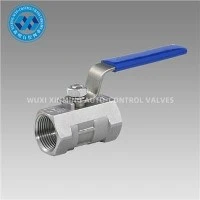
Before we get into the ways to improve wear resistance, let's quickly go over what a soft - seal ball valve is. It consists of a ball with a hole in the middle, which rotates to control the flow of fluid. The soft seal is usually made of materials like rubber or PTFE (polytetrafluoroethylene), which provides a tight seal when the valve is closed.
The problem with soft - seal ball valves is that the soft seal can be easily damaged by the flowing fluid, especially if it contains abrasive particles. This wear can cause leaks and reduce the valve's lifespan.
Selecting the Right Materials
One of the most important steps in improving wear resistance is choosing the right materials for the valve components.


Seal Material
The seal material plays a crucial role in the valve's wear resistance. For applications where the fluid contains abrasive particles, we might want to consider using a more durable seal material. For example, some advanced elastomers are designed to withstand abrasion better than traditional rubber. PTFE is also a great choice as it has excellent chemical resistance and low friction, which reduces wear.
Ball and Body Material
The ball and the valve body should also be made of materials that can resist wear. Stainless steel is a popular choice as it is corrosion - resistant and has good mechanical properties. For more demanding applications, we might look into using hardened alloys. These alloys can provide better wear resistance, especially when dealing with high - velocity or abrasive fluids.
If you're interested in a high - quality ball valve, check out our Stainless Steel Flanged Floating Jacketed Ball Valve For Investment Casting. It's made of top - notch materials that offer great wear resistance.
Surface Treatments
Another effective way to improve wear resistance is through surface treatments.
Hard Coating
Applying a hard coating to the ball and the valve seat can significantly enhance their wear resistance. For example, a ceramic coating can provide a hard and smooth surface that reduces friction and resists abrasion. These coatings can be applied using various methods such as thermal spraying or physical vapor deposition (PVD).
Nitriding
Nitriding is a heat - treatment process that introduces nitrogen into the surface of the metal. This creates a hard nitride layer that improves wear resistance, as well as corrosion resistance. It's a great option for steel components of the ball valve.
Design Improvements
The design of the soft - seal ball valve can also have a big impact on its wear resistance.
Flow Path Design
A well - designed flow path can reduce the impact of the flowing fluid on the valve components. For example, using a streamlined design can minimize turbulence and reduce the force of the fluid hitting the seal and the ball. This can significantly reduce wear over time.
Clearance Control
Proper clearance between the ball and the valve seat is essential. If the clearance is too large, the fluid can cause more wear as it passes through. On the other hand, if the clearance is too small, it can lead to excessive friction and damage to the seal. So, precise manufacturing and quality control are needed to ensure the right clearance.
Maintenance and Monitoring
Regular maintenance and monitoring are key to ensuring the long - term wear resistance of a soft - seal ball valve.
Inspection
Periodic inspections can help detect signs of wear early. We can check for things like scratches, dents, or signs of material degradation on the ball, the seal, and the valve body. If any issues are found, they can be addressed promptly to prevent further damage.
Lubrication
Lubrication can reduce friction between the moving parts of the valve, which in turn reduces wear. However, we need to choose the right lubricant that is compatible with the valve materials and the fluid being handled.
Monitoring Systems
Installing monitoring systems can provide real - time data on the valve's performance. For example, sensors can be used to detect changes in pressure, temperature, or leakage. This data can help us predict when maintenance is needed and take proactive measures to prevent valve failure.
If you're looking for an automated solution, our Electrical Ball Valve comes with advanced monitoring features that can help you keep track of the valve's condition.
Application - Specific Considerations
Different applications have different requirements when it comes to wear resistance.
High - Pressure Applications
In high - pressure applications, the valve components are under more stress, which can accelerate wear. We need to choose materials and designs that can withstand these high pressures. For example, using a stronger valve body material and a more robust seal design can be necessary.
Abrasive Fluid Applications
When dealing with fluids that contain abrasive particles, like slurries, we need to take extra precautions. Using a valve with a more wear - resistant lining or a special seal design can be very effective. Our Segment Control Valve With Pneumatic Actuator is a great option for such applications as it's designed to handle abrasive fluids well.
Conclusion
Improving the wear resistance of a soft - seal ball valve is a multi - faceted process. It involves selecting the right materials, applying appropriate surface treatments, making design improvements, and implementing proper maintenance and monitoring. By following these steps, we can significantly extend the lifespan of the valve and ensure its reliable performance.
If you're in the market for a soft - seal ball valve with excellent wear resistance, we're here to help. We've got a wide range of products to meet your specific needs. Whether you're in the oil and gas industry, water treatment, or any other field, we can provide you with the best solutions. Feel free to reach out to us for more information and to start a procurement discussion.
References
- "Valve Handbook" by J. S. T. Smith
- "Materials Science and Engineering: An Introduction" by William D. Callister, Jr. and David G. Rethwisch