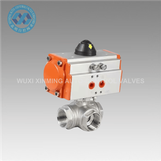
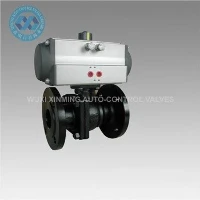
As a trusted supplier of WCB Butterfly Valves, I understand the importance of proper installation in high-pressure pipelines. A well-installed valve not only ensures the smooth operation of the pipeline system but also extends the service life of the valve. In this blog, I will walk you through the step-by-step process of installing a WCB Butterfly Valve in a high-pressure pipeline.
Pre-Installation Preparations
Before you start the installation, it is crucial to make thorough preparations. First, carefully inspect the WCB Butterfly Valve upon receipt. Check for any visible damage, such as scratches, dents, or cracks on the valve body, disc, or stem. Ensure that all the components are included and in good condition. Any damaged parts should be reported to the supplier immediately for replacement.
Next, measure the pipeline to ensure that the valve's size and flange specifications match those of the pipeline. The valve should have the same nominal diameter and flange rating as the pipeline to ensure a proper fit. It is also important to check the pipeline for any debris, dirt, or rust. Clean the pipeline thoroughly to prevent these contaminants from entering the valve and causing damage.
Gather all the necessary tools for the installation, including wrenches, bolts, gaskets, and a torque wrench. Make sure the gaskets are made of the appropriate material for the pipeline's working conditions, such as high temperature or corrosive fluids. The bolts should be of the correct size and grade to ensure a secure connection.
Valve Positioning
Once the preparations are complete, it's time to position the valve in the pipeline. Determine the correct orientation of the valve based on the flow direction. Most WCB Butterfly Valves are designed to have a specific flow direction, which is usually indicated by an arrow on the valve body. Install the valve with the arrow pointing in the direction of the fluid flow.
Place the valve between the flanges of the pipeline. Ensure that the valve is centered and aligned properly with the pipeline flanges. Misalignment can cause uneven stress on the valve and pipeline, leading to leaks or premature failure. Use a straightedge or a level to check the alignment.
Gasket Installation
The gasket plays a crucial role in preventing leaks between the valve and the pipeline flanges. Select a gasket that is compatible with the fluid in the pipeline and the operating conditions. Place the gasket on one of the pipeline flanges, making sure it is centered and covers the entire flange face. Avoid stretching or tearing the gasket during installation.
When installing the valve, carefully lower it onto the gasket, taking care not to displace the gasket. Make sure the valve flanges and the pipeline flanges are in full contact with the gasket. Check for any signs of misalignment or gaps between the flanges and the gasket.
Bolt Installation and Torquing
Insert the bolts through the holes in the valve flanges and the pipeline flanges. Use a washer under the bolt head and nut to distribute the load evenly. Start tightening the bolts in a crisscross pattern to ensure uniform compression of the gasket. Do not fully tighten the bolts at once; instead, tighten them gradually in several passes.

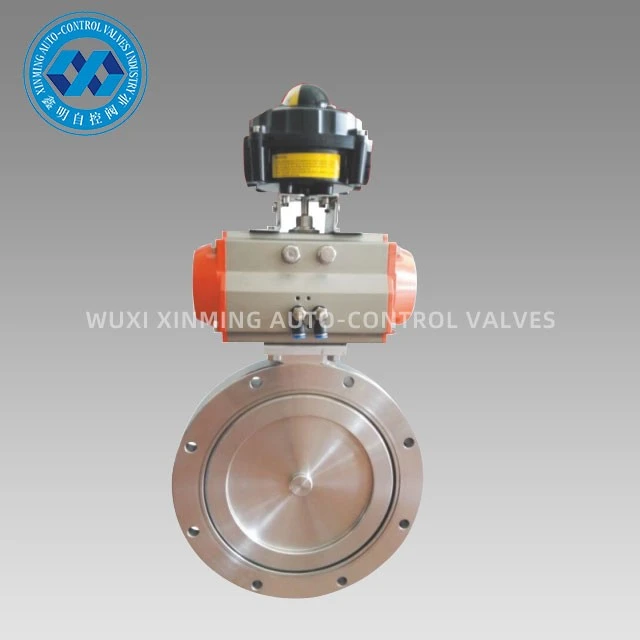
Use a torque wrench to tighten the bolts to the recommended torque value specified by the valve manufacturer. Over-tightening the bolts can damage the valve flanges or the gasket, while under-tightening can result in leaks. Follow the torque sequence provided by the manufacturer to ensure proper installation.
Pipeline Connection and Testing
After the valve is installed, connect the pipeline to the valve. Ensure that all the connections are secure and leak-free. Check for any signs of leaks around the valve flanges and pipeline connections. If a leak is detected, stop the installation process and identify the cause. It could be due to a misaligned gasket, loose bolts, or damaged flanges.
Once the installation is complete, perform a pressure test on the pipeline system. Gradually increase the pressure in the pipeline to the operating pressure and hold it for a specified period. Monitor the valve and the pipeline for any signs of leaks, abnormal noises, or movement. If any issues are detected during the test, address them immediately before putting the system into operation.
Maintenance and Troubleshooting
Regular maintenance is essential to ensure the long-term performance of the WCB Butterfly Valve in a high-pressure pipeline. Inspect the valve periodically for any signs of wear, corrosion, or damage. Check the bolts for tightness and the gasket for signs of deterioration. Lubricate the valve stem and other moving parts as recommended by the manufacturer.
If you encounter any problems with the valve, such as difficulty in opening or closing, leaks, or abnormal noises, refer to the valve's operation and maintenance manual. Troubleshoot the issue step by step and take appropriate measures to resolve it. If the problem persists, contact the valve supplier for technical support.
Conclusion
Installing a WCB Butterfly Valve in a high-pressure pipeline requires careful planning, proper preparation, and precise execution. By following the steps outlined in this blog, you can ensure a successful installation and reliable operation of the valve. As a WCB Butterfly Valve supplier, we are committed to providing high-quality valves and comprehensive technical support to our customers. If you have any questions or need assistance with the installation or maintenance of our valves, please feel free to contact us. We look forward to discussing your specific requirements and helping you find the best valve solutions for your high-pressure pipeline systems.
In addition to the WCB Butterfly Valve, we also offer a wide range of other types of butterfly valves, such as Vacuum Butterfly Valve, Electrical Butterfly Valve, and Efficient Pneumatic Flanged Butterfly Valve Accurate Fluid Regulation. These valves are designed to meet various application needs and provide efficient and reliable fluid control solutions.
References
- Valve Installation and Maintenance Manuals from Reputable Manufacturers
- Industry Standards for High-Pressure Pipeline Installations
- Technical Papers on Butterfly Valve Applications in High-Pressure Systems