Can a manual handwheel be used in an aerospace application? That's a question I've been asked a lot lately, and as a manual handwheel supplier, I'm more than happy to dig into it.
Let's start by understanding what a manual handwheel is. In simple terms, it's a wheel that you turn by hand to control a mechanism. It's a basic yet effective way of adjusting settings, moving parts, or operating a system. Manual handwheels come in various shapes, sizes, and materials, each designed for specific applications.
Now, when we talk about aerospace applications, we're dealing with a highly demanding environment. The aerospace industry requires components that are not only reliable but also able to withstand extreme conditions. These conditions include high altitudes, low temperatures, high levels of vibration, and strict safety regulations. So, can a manual handwheel meet these requirements?
Well, the answer is yes, but with some important considerations. Manual handwheels can be used in aerospace applications, especially in situations where backup or emergency control is needed. For example, in the event of an electrical or automated system failure, a manual handwheel can provide a way to operate critical functions. This is where the concept of redundancy comes in - having multiple ways to control a system to ensure safety and reliability.
One of the key advantages of using a manual handwheel in aerospace is its simplicity. Unlike complex automated systems, a manual handwheel has fewer components that can fail. It doesn't rely on electricity or sophisticated software, which means it can still work even when other systems are down. This simplicity also makes it easier to maintain and repair, which is crucial in an industry where downtime can be extremely costly.
Another advantage is the tactile feedback that a manual handwheel provides. When an operator turns a handwheel, they can feel the resistance and the movement of the mechanism. This feedback can be very valuable, especially in situations where precise control is required. It allows the operator to make small adjustments and ensure that the system is operating as intended.
However, using a manual handwheel in aerospace also comes with its challenges. One of the main challenges is the need for it to be lightweight. In aerospace, every gram counts, and components need to be as light as possible to reduce fuel consumption and increase efficiency. So, manual handwheels used in aerospace applications are often made from lightweight materials such as aluminum or carbon fiber.
Another challenge is the need for the handwheel to be able to operate in extreme conditions. For example, it needs to be able to function at very low temperatures without freezing up, and it needs to be resistant to corrosion caused by exposure to the elements. This requires careful selection of materials and coatings to ensure that the handwheel can withstand the harsh environment.
In addition, manual handwheels used in aerospace applications need to meet strict safety and quality standards. They need to be tested thoroughly to ensure that they can perform their intended functions under all possible conditions. This includes testing for strength, durability, and reliability.
Now, let's take a look at some specific aerospace applications where manual handwheels can be used. One example is in the operation of landing gear. In some aircraft, a manual handwheel can be used to lower or raise the landing gear in case of an emergency. This provides an additional layer of safety and ensures that the aircraft can land safely even if the automated system fails.
Another example is in the control of flaps and slats. These are movable surfaces on the wings of an aircraft that are used to control the lift and drag during takeoff and landing. A manual handwheel can be used to adjust the position of these surfaces in case of an emergency or to provide backup control.
At our company, we offer a range of manual handwheels that are suitable for aerospace applications. Our handwheels are designed to be lightweight, durable, and reliable. We use high-quality materials and advanced manufacturing techniques to ensure that our products meet the strict requirements of the aerospace industry.
If you're interested in learning more about our manual handwheels for aerospace applications, or if you have any specific requirements, please don't hesitate to [contact us for procurement and negotiation]. We're always happy to discuss your needs and provide you with the best solutions.
In addition to our standard manual handwheels, we also offer related products such as the Manual Override Gearbox. This gearbox can be used in conjunction with a manual handwheel to provide additional control and functionality. It allows for easy switching between manual and automated operation, which is very useful in aerospace applications.
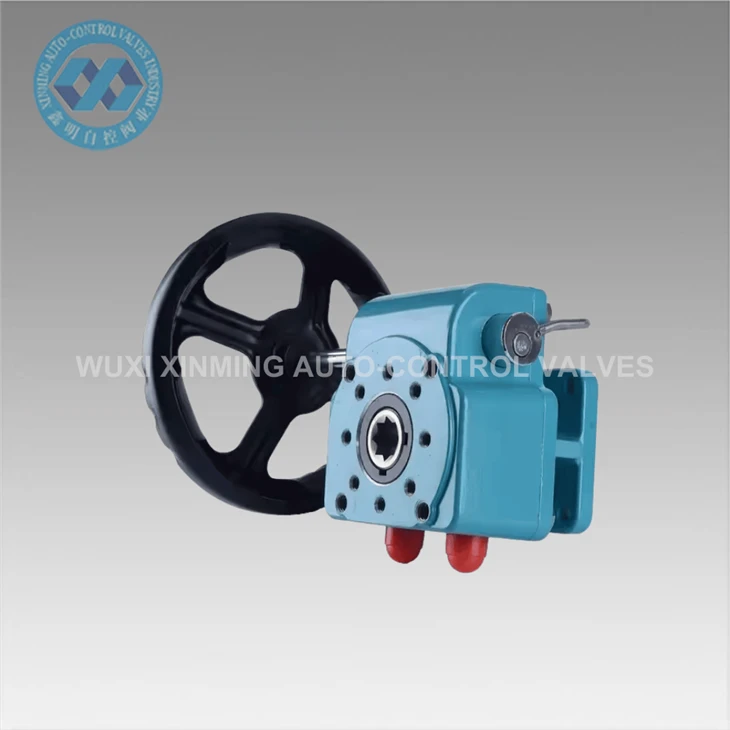

Another product we offer is the Emergency Manual Operation Mechanism With Pneumatic Valve Actuator. This mechanism provides a way to operate pneumatic valves manually in case of an emergency. It's a reliable and effective solution for ensuring the safety and functionality of pneumatic systems in aerospace applications.
We also have the Detachable Manual Actuator For Pneumatic Actuators. This actuator can be easily attached or detached from a pneumatic actuator, providing a convenient way to operate it manually when needed.
In conclusion, while there are challenges to using a manual handwheel in aerospace applications, the benefits in terms of safety, reliability, and simplicity make it a viable option. With the right design, materials, and testing, a manual handwheel can be a valuable addition to an aerospace system. If you're in the aerospace industry and are looking for a reliable manual handwheel or related products, we'd love to hear from you.
References
- Aerospace Engineering Textbooks
- Industry Reports on Aerospace Component Requirements
- Technical Papers on Redundancy in Aerospace Systems