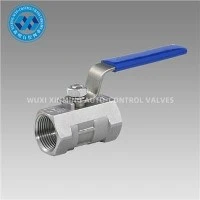
Hey there! As a supplier of sanitary ball valves, I've seen firsthand how crucial it is to optimize their performance. In this blog, I'm gonna share some tips and tricks that can help you get the most out of your sanitary ball valves.
Understanding Sanitary Ball Valves
First off, let's quickly go over what sanitary ball valves are. These valves are designed for use in industries where hygiene and cleanliness are top priorities, like food and beverage, pharmaceutical, and dairy. They're made from high - quality materials such as stainless steel to prevent corrosion and contamination.
The basic design of a sanitary ball valve consists of a ball with a hole in the middle. When the ball is rotated, the hole aligns with the pipe, allowing fluid to flow. When it's turned 90 degrees, the flow is stopped. Simple, right? But there are a lot of factors that can affect how well they work.
Material Selection
One of the first steps in optimizing performance is choosing the right materials. As I mentioned, stainless steel is a popular choice because it's durable, resistant to corrosion, and easy to clean. But not all stainless steels are created equal. You want to look for grades like 304 or 316, which are known for their excellent corrosion resistance.
If you're dealing with more aggressive chemicals or high - temperature applications, you might need to consider other materials like Hastelloy or titanium. These materials can handle harsher conditions but come at a higher cost.
Proper Installation
Installation is key to getting the best performance from your sanitary ball valve. Make sure the valve is installed in the right direction. Most valves have an arrow indicating the flow direction, and installing it backwards can lead to reduced flow and even damage to the valve.
Also, ensure that the valve is properly aligned with the pipes. Misalignment can cause stress on the valve, leading to leaks or premature wear. Use appropriate gaskets and seals to prevent leaks. These should be made from materials that are compatible with the fluid being transported.
Regular Maintenance
Maintenance is an ongoing process that can significantly improve the performance of your sanitary ball valve. Regularly inspect the valve for signs of wear, such as scratches on the ball or seat, or leaks around the stem. If you notice any issues, address them immediately.
Cleaning is also an important part of maintenance. Depending on the application, you might need to clean the valve daily or weekly. Use a mild detergent and a soft brush to clean the valve, and make sure to rinse it thoroughly to remove any residue.
Actuator Selection
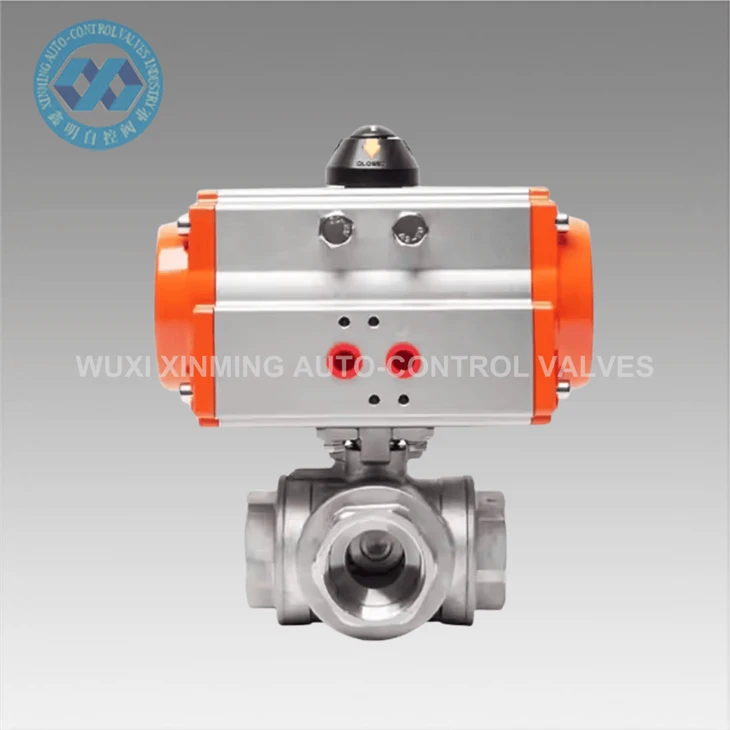
If you're using an automated system, choosing the right actuator is crucial. There are different types of actuators available, such as pneumatic, electric, and hydraulic. Pneumatic actuators are popular because they're fast - acting and relatively inexpensive.
For example, our Pneumatic Actuator Flange Tee Ball Valve is a great option for many applications. It provides reliable and precise control, and the pneumatic actuator allows for quick opening and closing of the valve.
Another option is the High Quality Stainless Steel Pneumatic Three - way Ball Valve. This valve is designed for applications where you need to control the flow in multiple directions, and the pneumatic actuator ensures smooth operation.
If you need precision control and industrial flow regulation, our Pneumatic Ball Valve For Precision Control And Industrial Flow Regulation is the way to go. It offers accurate control of the flow rate, which is essential in many industrial processes.
Flow Rate and Pressure Considerations
Understanding the flow rate and pressure requirements of your system is essential for optimizing valve performance. If the valve is too small for the flow rate, it can cause a significant pressure drop, which can affect the efficiency of your system. On the other hand, if the valve is too large, it might not provide accurate control of the flow.
You need to calculate the required flow rate and pressure based on your system's specifications. This will help you choose the right size and type of valve for your application.
Temperature and Fluid Compatibility
The temperature of the fluid and its compatibility with the valve materials are also important factors. High - temperature fluids can cause the valve materials to expand, which can lead to leaks or reduced performance. Make sure the valve is rated for the maximum temperature of the fluid.

Similarly, the fluid being transported should be compatible with the valve materials. Some chemicals can react with the valve materials, causing corrosion or other damage. Always check the chemical compatibility chart provided by the valve manufacturer.
Training and Education
Finally, make sure your staff is properly trained in using and maintaining the sanitary ball valves. They should know how to operate the valve correctly, how to perform basic maintenance tasks, and how to recognize and troubleshoot common problems.
Providing regular training and education can help prevent costly mistakes and ensure that your valves are operating at their best.
Conclusion
Optimizing the performance of a sanitary ball valve involves a combination of proper material selection, installation, maintenance, actuator selection, and understanding the system requirements. By following these tips, you can ensure that your valves are reliable, efficient, and long - lasting.
If you're in the market for high - quality sanitary ball valves or need more information on how to optimize their performance, feel free to reach out. We're here to help you find the right solutions for your specific needs. Let's start a conversation about your requirements and see how we can work together to improve your system's performance.
References
- Valve Handbook by J. S. Berardi
- Industrial Valves: Selection, Specification, and Sizing by John H. Perry