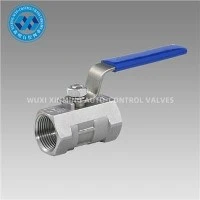
Hey there! I'm a supplier of sanitary ball valves, and today I'm gonna walk you through the process of replacing the seal of a sanitary ball valve. Whether you're a professional in the industry or a DIY enthusiast, this guide will come in handy.
First off, let's understand why you might need to replace the seal. Over time, the seals in a sanitary ball valve can wear out due to regular use, exposure to different fluids, or changes in temperature and pressure. When this happens, you might notice leaks, which can affect the performance of the valve and even lead to contamination in a sanitary environment.
Tools You'll Need
Before you start the replacement process, gather the necessary tools. You'll need a wrench set, a screwdriver, a seal kit that matches the specifications of your sanitary ball valve, and some lubricant. Make sure the tools are clean to avoid introducing any contaminants into the valve.
Step 1: Shut Off the System
Safety first! Before you touch anything, shut off the flow of fluid through the valve. This could mean turning off a pump, closing a main valve upstream, or shutting down the entire system. You don't want any fluid to be flowing while you're working on the valve, as it can cause a mess and pose a safety hazard.
Step 2: Drain the Valve
Once the system is shut off, you need to drain the valve. This will prevent any residual fluid from spilling out when you start disassembling the valve. Open any drain ports or use a suitable method to empty the valve completely.
Step 3: Disassemble the Valve
Now it's time to take the valve apart. Use your wrench to loosen the bolts or nuts that hold the valve body together. Be careful not to damage any parts while doing this. Once the bolts are loose, gently separate the valve body. You'll now be able to see the ball and the seals.
Step 4: Remove the Old Seal
Locate the old seal. It's usually a small rubber or elastomeric ring that sits around the ball or in the valve body. Use your screwdriver or a small pry tool to carefully remove the old seal. Be gentle to avoid scratching the valve body or the ball.
Step 5: Clean the Valve
With the old seal removed, it's a good idea to clean the valve thoroughly. Use a clean cloth and some suitable cleaning solution to wipe down the valve body, the ball, and any other parts. This will remove any dirt, debris, or old seal material that might still be stuck.


Step 6: Install the New Seal
Take the new seal from the seal kit. Make sure it's the right size and type for your valve. Apply a small amount of lubricant to the seal to make it easier to install. Carefully place the new seal in the correct position, either around the ball or in the valve body. Make sure it's seated properly and there are no wrinkles or twists.
Step 7: Reassemble the Valve
Now that the new seal is in place, it's time to put the valve back together. Line up the valve body parts and carefully insert the bolts or nuts. Tighten them using your wrench, but don't over-tighten. Over-tightening can damage the seal and cause it to leak again.
Step 8: Test the Valve
Once the valve is reassembled, it's time to test it. Turn on the flow of fluid slowly and check for any leaks. If you see any leaks, turn off the flow immediately and double-check the seal installation. Make any necessary adjustments until the valve is leak-free.
Additional Resources
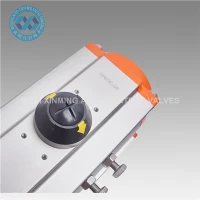
If you're looking for more advanced control options, we also offer some great valves for precision control and industrial flow regulation. Check out our Pneumatic Ball Valve For Precision Control And Industrial Flow Regulation. And if you need a valve with a pneumatic actuator and WCB flange, our Pneumatic Actuator WCB Flange Ball Valve is a great choice. For applications where you need a jacketed flange, take a look at our Pneumatic Actuator Jacketed Flange Ball Valve.
Contact for Purchase
If you're interested in purchasing sanitary ball valves or any of the related products we've mentioned, feel free to reach out to our sales team. We're always ready to assist you with your valve needs, whether it's for a small project or a large industrial application. We can offer you high-quality products at competitive prices, along with excellent customer service.
References
- Plumbing and Valve Installation Manuals
- Industry Standards for Sanitary Ball Valves