Hey there! As a supplier of vacuum ball valves, I've seen firsthand how important it is to store these valves properly. A well - stored vacuum ball valve can maintain its performance and extend its service life. So, let's dive into how to store a vacuum ball valve the right way.
1. Clean the Valve Thoroughly Before Storage
Before you even think about putting the vacuum ball valve away, you gotta clean it up. Any dirt, debris, or leftover fluid in the valve can cause corrosion or damage over time. You can use a mild detergent and a soft brush to clean the outer surface of the valve. For the inner parts, a specialized valve cleaning solution might be needed. Make sure to rinse it thoroughly with clean water and dry it completely. You don't want any moisture lingering as that can lead to rust.
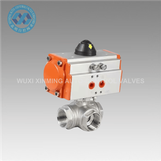
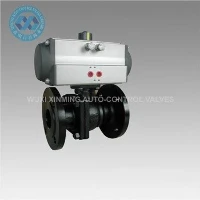
When I was dealing with a batch of Stainless Steel Flange Ball Valve Equipped With Pneumatic Actuator, some of the valves had a bit of residue from the previous use. After a proper cleaning, they were ready for long - term storage without any risk of internal damage.
2. Choose the Right Storage Environment
The storage environment plays a huge role in the condition of your vacuum ball valve. You want to find a place that's dry, cool, and clean. High humidity can cause rust and corrosion, while extreme temperatures can affect the material properties of the valve. A temperature - controlled storage room is ideal, but if that's not possible, at least try to keep it away from direct sunlight and sources of heat.
Avoid storing the valve in areas where there's a lot of dust or chemicals in the air. Chemical fumes can react with the valve material and degrade it. I once had a customer who stored their valves in a shed near a chemical - mixing area. The valves started to show signs of corrosion after just a few months, and they had to replace them earlier than expected.
3. Protect the Valve from Physical Damage
Vacuum ball valves are delicate in some ways, and they can be easily damaged if not handled properly during storage. Make sure to store them in a way that they won't be knocked around or crushed. You can use padded storage containers or racks to keep them in place.
If you have multiple valves to store, arrange them in an orderly manner so that they don't rub against each other. I've seen valves with scratched surfaces because they were stored haphazardly, and these scratches can lead to leaks or other performance issues later on.
4. Seal the Valve Properly
Sealing the valve is crucial to prevent dust, moisture, and other contaminants from getting inside. You can use protective caps or plugs on the valve ports. These caps are usually made of rubber or plastic and can create a tight seal.
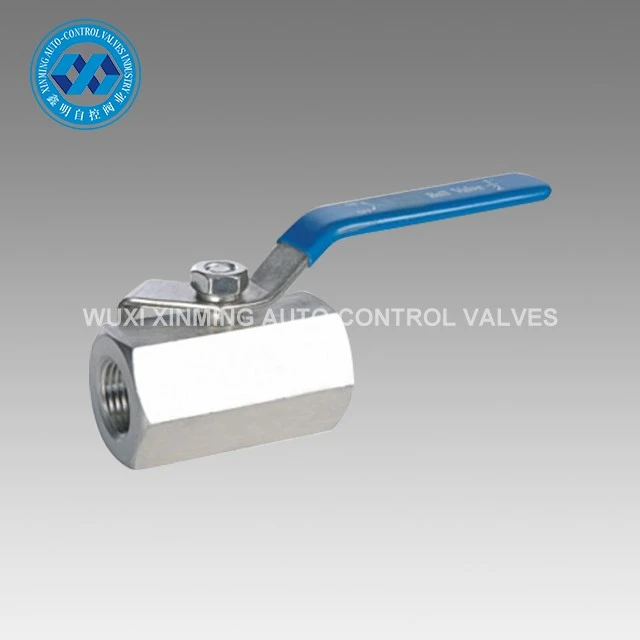
For example, when storing 1PC Thread Ball Valve, I always make sure to put on the appropriate caps. This simple step can make a big difference in keeping the valve in good condition during storage.
5. Keep an Inventory and Check Regularly
It's a good idea to keep an inventory of your stored vacuum ball valves. Note down the model, serial number, and the date of storage. This way, you can easily track the age of the valves and plan for their use or replacement.

Also, make it a habit to check the stored valves regularly. Look for any signs of damage, corrosion, or changes in the valve's appearance. This early detection can save you from a lot of trouble later. I once had a valve that started to develop a small crack, but because we checked regularly, we were able to repair it before it became a major problem.
6. Lubrication Considerations
Some vacuum ball valves require lubrication to function properly. If your valve is one of them, make sure to lubricate it before storage. Use a lubricant that's compatible with the valve material. However, be careful not to over - lubricate as excess lubricant can attract dust and dirt.
When I was dealing with Stainless Steel Pneumatic Italian Thin Ball Valve, we followed the manufacturer's guidelines for lubrication before storing them. This helped to keep the internal moving parts in good condition during the storage period.
7. Packaging for Long - Term Storage
If you plan to store the valve for a long time, proper packaging is essential. You can use anti - static bags or moisture - resistant wraps to protect the valve. These materials can provide an extra layer of protection against environmental factors.
I've seen valves that were stored in sub - standard packaging for a long time. They ended up with surface oxidation and other issues, which affected their performance when they were finally put into use.
8. Documentation
Keep all the relevant documentation with the stored valve. This includes the user manual, installation instructions, and any test reports. Having this information at hand can be very useful when it's time to install or maintain the valve.
I always make sure that the valves I supply come with all the necessary documentation, and I encourage my customers to keep it with the valve during storage.
In conclusion, proper storage of vacuum ball valves is essential to ensure their performance and longevity. By following these steps, you can make sure that your valves are in top - notch condition when you need to use them.
If you're in the market for high - quality vacuum ball valves or have any questions about storage or other valve - related issues, feel free to reach out. We're here to help you make the best choices for your needs.
References
- Valve Manufacturer's Guides
- Industry Best Practices for Valve Storage