The service life of a thin ball valve is a critical consideration for industries relying on fluid control systems. As a leading thin ball valve supplier, I understand the importance of providing durable and long - lasting products to meet the diverse needs of our customers. In this blog, I will explore the factors that influence the service life of thin ball valves, provide estimates of their typical service lives, and offer tips on how to extend their operational lifespan.
Factors Affecting the Service Life of Thin Ball Valves
Material Quality
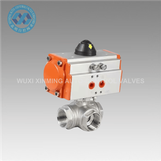
The materials used in the construction of thin ball valves play a significant role in determining their service life. High - quality materials are more resistant to corrosion, wear, and erosion, which are common causes of valve failure. For example, stainless steel is a popular choice for thin ball valves due to its excellent corrosion resistance. Our High Quality Stainless Steel Pneumatic Three - way Ball Valve is made from premium stainless steel, ensuring long - term durability even in harsh environments.
Operating Conditions
The conditions under which a thin ball valve operates can have a major impact on its service life. Factors such as temperature, pressure, and the nature of the fluid being controlled all need to be considered. High - temperature applications can cause materials to expand and contract, leading to stress on the valve components. Similarly, high - pressure environments can put additional strain on the valve, increasing the risk of leakage or mechanical failure. If the fluid contains abrasive particles or chemicals, it can accelerate wear and corrosion of the valve.
Frequency of Operation
The more frequently a thin ball valve is operated, the greater the wear and tear on its components. Valves that are used in continuous - flow applications or those that are opened and closed frequently will generally have a shorter service life compared to those that are used less often. For instance, a valve in a process that requires frequent flow adjustments will experience more mechanical stress on its ball, stem, and seals.
Installation and Maintenance
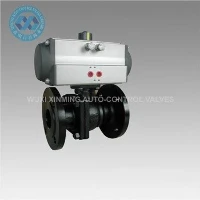
Proper installation and regular maintenance are essential for maximizing the service life of thin ball valves. Incorrect installation can lead to misalignment, which can cause uneven wear on the valve components and increase the risk of leakage. Regular maintenance, including lubrication, inspection for wear, and replacement of worn - out parts, can significantly extend the valve's lifespan. Our Factory Direct 0 Leakage Pneumatic Ball Valve is designed for easy installation and maintenance, reducing downtime and ensuring reliable operation.

Typical Service Life Estimates
The service life of a thin ball valve can vary widely depending on the factors mentioned above. In general, under normal operating conditions with proper installation and maintenance, a high - quality thin ball valve can last anywhere from 5 to 15 years. However, in more demanding applications, such as those involving high temperatures, high pressures, or corrosive fluids, the service life may be significantly shorter, perhaps 2 to 5 years.
In some low - stress applications where the valve is only used occasionally and the operating conditions are mild, the valve could potentially last even longer, up to 20 years or more. For example, a thin ball valve used in a residential water supply system with low pressure and clean water may have a very long service life.
Tips for Extending the Service Life of Thin Ball Valves
Select the Right Valve for the Application
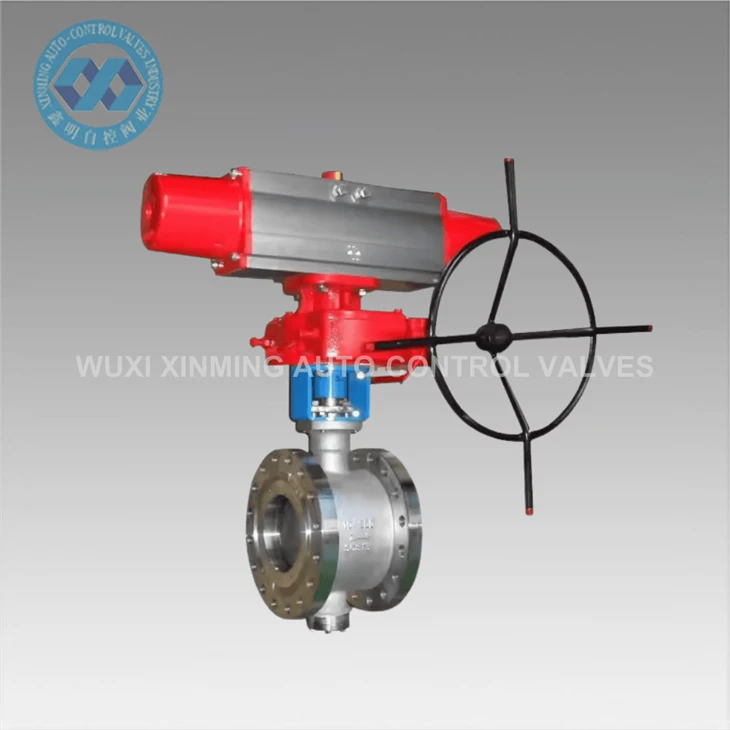
Choosing the appropriate thin ball valve for the specific operating conditions is crucial. Consider factors such as the type of fluid, temperature, pressure, and frequency of operation. Our product range includes a variety of thin ball valves, such as the Pneumatic Threaded Ball Valve, which can be customized to meet different application requirements.
Follow Proper Installation Procedures
Ensure that the valve is installed correctly according to the manufacturer's instructions. This includes proper alignment, tightening of bolts, and connection of pipes. Incorrect installation can lead to premature failure of the valve.
Implement a Regular Maintenance Schedule
Regular maintenance is key to extending the service life of thin ball valves. This includes inspecting the valve for signs of wear, leakage, or corrosion, lubricating moving parts, and replacing worn - out seals and gaskets. By addressing minor issues early, you can prevent more serious problems from developing.
Monitor Operating Conditions
Keep an eye on the operating conditions of the valve, such as temperature, pressure, and flow rate. Sudden changes in these parameters can indicate a problem with the valve or the system. By monitoring these conditions, you can take proactive measures to prevent valve failure.
Conclusion
The service life of a thin ball valve is influenced by a variety of factors, including material quality, operating conditions, frequency of operation, and installation and maintenance practices. As a thin ball valve supplier, we are committed to providing high - quality products that offer long - lasting performance. By understanding the factors that affect valve service life and following the tips outlined in this blog, you can maximize the lifespan of your thin ball valves and ensure reliable operation of your fluid control systems.
If you are in the market for high - quality thin ball valves or need more information about our products, we invite you to contact us for procurement and further discussion. Our team of experts is ready to assist you in finding the right valve solutions for your specific needs.
References
- Valve Handbook, 4th Edition, by J. Paik Souri.
- ASME Standards for Valves and Fittings.
- Industry reports on fluid control systems and valve performance.