As a seasoned supplier of air filter regulators, I've witnessed firsthand the pivotal role these devices play in ensuring the smooth operation of pneumatic systems across various industries. Air filter regulators are essential components that not only clean the compressed air but also regulate its pressure to meet the specific requirements of equipment. However, like any mechanical device, they are prone to certain common problems that can affect their performance and the overall efficiency of the system. In this blog post, I'll delve into these issues, their causes, and potential solutions, drawing on my years of experience in the field.
Contamination and Clogging
One of the most prevalent problems with air filter regulators is contamination and clogging. Compressed air often contains a variety of impurities, including dust, dirt, oil, and moisture. Over time, these contaminants can accumulate in the filter element, reducing its effectiveness and restricting the flow of air. As a result, the pressure downstream of the regulator may drop, leading to inconsistent performance of the pneumatic equipment.
Causes:
- Poor-quality compressed air: If the compressed air source is not properly treated or maintained, it can introduce a high level of contaminants into the system.
- Inadequate filtration: Using a filter with a low filtration rating or failing to replace the filter element regularly can allow contaminants to pass through and accumulate in the regulator.
- Environmental factors: Operating the air filter regulator in a dusty or dirty environment can increase the risk of contamination.
Solutions:
- Install a pre-filter: A pre-filter can be installed upstream of the air filter regulator to remove larger particles and extend the life of the main filter element.
- Use high-quality filters: Invest in filters with a high filtration rating to ensure effective removal of contaminants.
- Replace filter elements regularly: Follow the manufacturer's recommendations for filter replacement intervals to prevent clogging.
- Maintain a clean environment: Keep the area around the air filter regulator clean and free from dust and debris.
Pressure Fluctuations
Another common problem is pressure fluctuations, which can occur due to a variety of factors. Pressure fluctuations can cause the pneumatic equipment to operate erratically, leading to reduced productivity and potential damage to the equipment.
Causes:
- Inadequate regulation: If the regulator is not properly adjusted or calibrated, it may not be able to maintain a stable pressure.
- Leaks in the system: Leaks in the air lines, fittings, or valves can cause pressure drops and fluctuations.
- Changes in demand: Sudden changes in the demand for compressed air can cause the pressure to fluctuate.
Solutions:
- Adjust the regulator: Ensure that the regulator is properly adjusted to maintain the desired pressure. Refer to the manufacturer's instructions for guidance on adjusting the regulator.
- Check for leaks: Regularly inspect the air lines, fittings, and valves for leaks and repair them promptly.
- Install a pressure stabilizer: A pressure stabilizer can be installed downstream of the regulator to help maintain a stable pressure, especially in systems with fluctuating demand.
Leakage
Leakage is another significant issue that can affect the performance of air filter regulators. Leaks can occur at various points in the regulator, including the seals, gaskets, and connections. Not only do leaks waste compressed air, but they can also lead to a drop in pressure and reduced efficiency of the pneumatic system.
Causes:
- Worn or damaged seals: Over time, the seals and gaskets in the regulator can wear out or become damaged, leading to leaks.
- Loose connections: If the connections between the regulator and the air lines are not properly tightened, they can develop leaks.
- Improper installation: Incorrect installation of the regulator can cause stress on the seals and connections, leading to leaks.
Solutions:
- Replace worn seals: Regularly inspect the seals and gaskets in the regulator and replace them if they show signs of wear or damage.
- Tighten connections: Ensure that all connections between the regulator and the air lines are properly tightened. Use a torque wrench to avoid over-tightening, which can damage the seals.
- Follow proper installation procedures: When installing the regulator, follow the manufacturer's instructions carefully to ensure proper alignment and installation.
Freezing
In cold environments, air filter regulators are susceptible to freezing, which can cause the regulator to malfunction. Freezing occurs when moisture in the compressed air condenses and freezes inside the regulator, blocking the flow of air and preventing the regulator from functioning properly.
Causes:
- High moisture content in the compressed air: If the compressed air contains a high level of moisture, it is more likely to freeze in cold temperatures.
- Inadequate drainage: Failing to drain the moisture from the regulator regularly can increase the risk of freezing.
- Cold operating conditions: Operating the air filter regulator in an environment with low temperatures can cause the moisture in the compressed air to freeze.
Solutions:
- Install a moisture separator: A moisture separator can be installed upstream of the air filter regulator to remove moisture from the compressed air before it enters the regulator.
- Drain the regulator regularly: Follow the manufacturer's recommendations for draining the moisture from the regulator to prevent freezing.
- Insulate the regulator: In cold environments, insulating the regulator can help prevent freezing by maintaining a higher temperature inside the regulator.
Diaphragm Failure
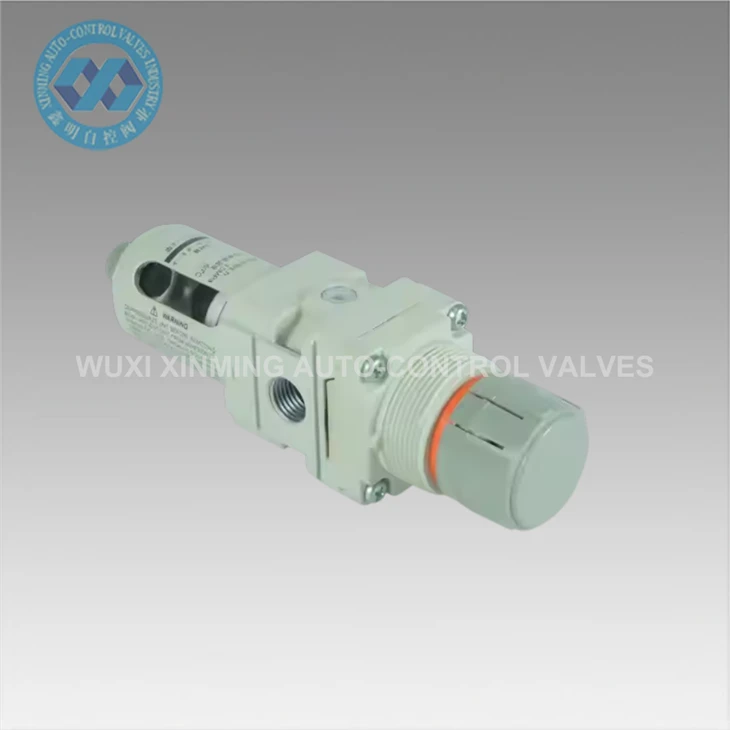
The diaphragm is a critical component of the air filter regulator that controls the pressure regulation. Over time, the diaphragm can wear out or become damaged, leading to a loss of pressure regulation and potential failure of the regulator.
Causes:

- Normal wear and tear: The diaphragm is subject to constant movement and stress during operation, which can cause it to wear out over time.
- Contamination: Contaminants in the compressed air can damage the diaphragm, reducing its effectiveness and lifespan.
- Overpressure: Exposing the regulator to pressures higher than its rated capacity can cause the diaphragm to rupture or fail.
Solutions:
- Replace the diaphragm: If the diaphragm shows signs of wear or damage, it should be replaced immediately. Refer to the manufacturer's instructions for guidance on replacing the diaphragm.
- Use a high-quality diaphragm: Invest in a high-quality diaphragm that is resistant to wear and contamination.
- Avoid overpressure: Ensure that the regulator is not exposed to pressures higher than its rated capacity. Use a pressure relief valve to protect the regulator from overpressure.
Conclusion
Air filter regulators are essential components of pneumatic systems, but they are prone to certain common problems that can affect their performance and the overall efficiency of the system. By understanding these problems, their causes, and potential solutions, you can take proactive measures to prevent them and ensure the reliable operation of your air filter regulators.
At our company, we are committed to providing high-quality air filter regulators that are designed to meet the specific needs of our customers. Our products are built to last and are backed by our extensive experience and expertise in the field. If you are experiencing any problems with your air filter regulators or are looking for a reliable supplier, we encourage you to [contact us] for more information and to discuss your specific requirements. We look forward to working with you to provide the best solutions for your pneumatic systems.
References
- Compressed Air and Gas Institute (CAGI). (2023). Handbook of Compressed Air Systems.
- Parker Hannifin Corporation. (2023). Pneumatic Handbook.
- SMC Corporation. (2023). Air Preparation Products Catalog.
Please note that the hyperlinks are inserted below as described in the requirements: