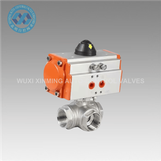
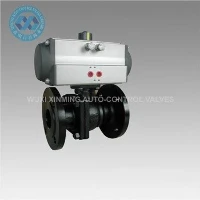
Hey there! As a supplier of WCB Butterfly Valves, I often get asked about the installation requirements for these valves in a pipeline. So, I thought I'd share some insights to help you out.
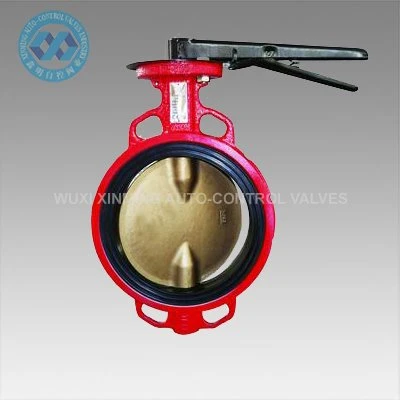
First off, let's talk about what a WCB Butterfly Valve is. It's a type of quarter - turn valve that uses a disc to control the flow of fluid in a pipeline. The WCB part refers to the material of the valve body, which is a type of carbon steel known for its strength and durability.
Pipeline Preparation
Before installing a WCB Butterfly Valve, the pipeline needs to be properly prepared. The pipeline should be clean and free from any debris, rust, or dirt. Any foreign particles in the pipeline can damage the valve disc or the sealing surface, leading to leaks or improper operation. You can use a pipe cleaner or a high - pressure air blast to clean the inside of the pipeline.
The pipeline also needs to be cut to the correct length. Make sure the ends of the pipeline are square and smooth. If the ends are not square, it can cause misalignment during the valve installation, which will affect the valve's performance. You can use a pipe cutter or a saw to cut the pipeline, and then use a file to smooth the edges.
Valve Inspection
Once the pipeline is ready, it's time to inspect the WCB Butterfly Valve. Check the valve for any visible damage, such as cracks, dents, or scratches on the valve body or the disc. Also, make sure the valve stem rotates smoothly without any binding. If you notice any issues, contact the manufacturer or supplier right away.
You should also check the sealing surfaces of the valve. The seals are crucial for preventing leaks. Look for any signs of wear or damage on the seals. If the seals are damaged, they need to be replaced before installation.
Installation Location
Choosing the right installation location is important. The valve should be installed in a place where it's easy to access for maintenance and operation. Avoid installing the valve in areas that are prone to flooding or where it will be exposed to extreme temperatures or corrosive substances.
The valve should also be installed in a straight section of the pipeline. This ensures proper flow distribution and reduces the risk of turbulence, which can affect the valve's performance. A good rule of thumb is to have at least 5 - 10 pipe diameters of straight pipe upstream and 2 - 3 pipe diameters downstream of the valve.
Mounting the Valve
When mounting the WCB Butterfly Valve, make sure it's properly aligned with the pipeline. Use alignment tools if necessary to ensure the valve is centered and straight. You can use bolts and gaskets to connect the valve to the pipeline. The bolts should be tightened evenly to avoid uneven stress on the valve body, which can cause leaks.
It's important to use the correct torque when tightening the bolts. Over - tightening the bolts can damage the valve or the gaskets, while under - tightening can lead to leaks. Refer to the manufacturer's instructions for the recommended torque values.
Actuator Installation (if applicable)
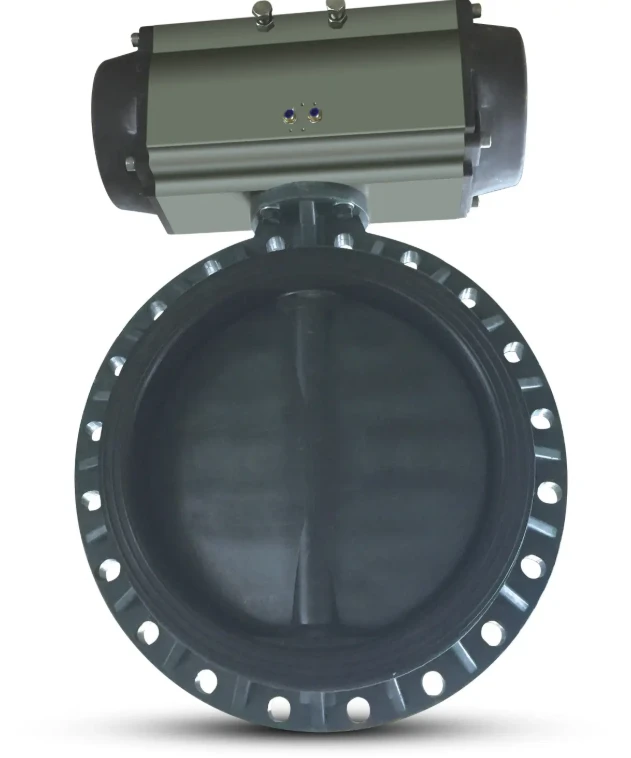
If your WCB Butterfly Valve comes with an actuator, such as the Actuator Control Pneumatic Pvc Butterfly Valve, proper installation of the actuator is crucial. The actuator should be securely mounted to the valve stem. Make sure the actuator is properly wired or piped (depending on whether it's an electric or pneumatic actuator) and that all connections are tight.
Test the actuator to ensure it operates smoothly and that it can fully open and close the valve. Adjust the actuator settings if necessary to achieve the desired valve operation.
Pressure Testing
After the valve is installed, it's important to conduct a pressure test. This helps to check for any leaks and to ensure that the valve is functioning properly. You can use a pressure gauge to monitor the pressure in the pipeline.
Start by slowly increasing the pressure in the pipeline. Keep an eye on the valve and the connections for any signs of leaks. If you notice any leaks, shut off the pressure immediately and tighten the bolts or replace the gaskets as needed.
Compatibility with Other Components
The WCB Butterfly Valve should be compatible with other components in the pipeline system. For example, if you're using a Relief Actuator Ball Button Pneumatic Butterfly Valve With Lining PTFE Seal, make sure it's compatible with the type of fluid, pressure, and temperature in the pipeline.
Also, consider the flow characteristics of the valve. The valve should be able to handle the flow rate and pressure of the fluid in the pipeline without causing excessive pressure drops or flow restrictions.
Soft - seal Considerations
If you're using a Soft - seal Butterfly Valve, there are some additional considerations. Soft - seal valves are more sensitive to temperature and chemical exposure. Make sure the soft - seal material is compatible with the fluid in the pipeline.
Also, be careful when installing soft - seal valves. Avoid over - tightening the bolts, as this can damage the soft - seal and cause leaks.
Maintenance Access
Finally, make sure there's enough space around the valve for maintenance. You'll need to be able to access the valve for routine inspections, cleaning, and replacement of parts. Plan ahead and ensure that there are no obstacles that will prevent easy access to the valve.
In conclusion, installing a WCB Butterfly Valve in a pipeline requires careful preparation, proper installation techniques, and thorough testing. By following these installation requirements, you can ensure that your valve operates smoothly and efficiently for a long time.
If you're in the market for WCB Butterfly Valves or have any questions about their installation, don't hesitate to reach out. We're here to help you with all your valve needs and can assist you in choosing the right valve for your specific application. Whether you need a simple valve for a small - scale project or a complex valve system for an industrial application, we've got you covered. Let's have a chat and discuss how we can meet your requirements!
References
- Valve Installation Manuals
- Pipeline Design and Installation Guidelines