Integrating a limit switch box into a smart factory system is a strategic move that can significantly enhance the efficiency, safety, and productivity of industrial operations. As a reputable limit switch box supplier, I've witnessed firsthand the transformative impact these devices can have when seamlessly incorporated into modern manufacturing environments. In this blog post, I'll share valuable insights on how to integrate a limit switch box into a smart factory system effectively.
Understanding Limit Switch Boxes
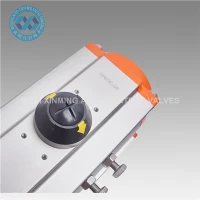
Before delving into the integration process, it's crucial to have a clear understanding of what limit switch boxes are and how they function. A limit switch box is a device designed to detect the presence or absence of an object within a specific range. It typically consists of a switch mechanism, an actuator, and a housing. When an object comes into contact with the actuator, the switch is triggered, sending a signal to the control system.
Limit switch boxes are widely used in various industrial applications, including conveyor systems, robotic arms, and automated machinery. They play a vital role in ensuring the safe and accurate operation of these systems by providing feedback on the position, movement, and status of equipment.


Benefits of Integrating Limit Switch Boxes into a Smart Factory System
Integrating limit switch boxes into a smart factory system offers numerous benefits, including:
Enhanced Safety
Limit switch boxes help prevent accidents and equipment damage by providing real-time feedback on the position and movement of machinery. They can be used to detect over-travel, collision, and other potentially hazardous conditions, allowing the control system to take appropriate action, such as stopping the equipment or triggering an alarm.
Improved Efficiency
By providing accurate position feedback, limit switch boxes enable precise control of machinery and automation processes. This can lead to increased throughput, reduced downtime, and improved product quality. For example, in a conveyor system, limit switch boxes can be used to ensure that products are properly positioned and spaced, optimizing the flow of materials and reducing the risk of jams.
Remote Monitoring and Control
Smart factory systems often incorporate remote monitoring and control capabilities, allowing operators to monitor the status of equipment and make adjustments from a central location. Limit switch boxes can be integrated with these systems, enabling real-time monitoring of switch status, fault detection, and remote configuration. This can significantly improve the efficiency of maintenance and troubleshooting processes.
Data Collection and Analysis
Limit switch boxes can generate valuable data on the operation of machinery and automation processes. By integrating these devices into a smart factory system, this data can be collected, analyzed, and used to identify trends, optimize performance, and predict maintenance needs. For example, analyzing the frequency and duration of switch actuations can provide insights into the wear and tear of equipment and help schedule preventive maintenance.
Steps to Integrate a Limit Switch Box into a Smart Factory System
Integrating a limit switch box into a smart factory system involves several key steps. Here's a step-by-step guide to help you through the process:
Step 1: Assess Your Requirements
The first step in integrating a limit switch box into a smart factory system is to assess your specific requirements. Consider factors such as the type of machinery or equipment you're using, the operating environment, the required level of accuracy and reliability, and the existing control system infrastructure. This will help you select the right limit switch box for your application.
For example, if you're operating in a hazardous environment, you may need to choose an Explosion-proof Limit Switch Box that meets the relevant safety standards. On the other hand, if you require high-speed operation and precise positioning, you may opt for a more advanced limit switch box with features such as adjustable sensitivity and high-resolution feedback.
Step 2: Select the Right Limit Switch Box
Once you've assessed your requirements, it's time to select the right limit switch box for your application. There are several factors to consider when making this decision, including:
- Type of Switch: Limit switch boxes come in various types, including mechanical, magnetic, and optical switches. Each type has its own advantages and disadvantages, so it's important to choose the one that best suits your application.
- Actuator Type: The actuator is the part of the limit switch box that comes into contact with the object being detected. There are several types of actuators available, including lever, roller, and plunger actuators. Choose the actuator type that is most appropriate for your application based on factors such as the size and shape of the object, the operating environment, and the required level of sensitivity.
- Electrical Specifications: Consider the electrical specifications of the limit switch box, such as the voltage, current, and contact rating. Make sure these specifications are compatible with your existing control system infrastructure.
- Environmental Rating: If the limit switch box will be exposed to harsh environmental conditions, such as dust, moisture, or extreme temperatures, choose a box with a high environmental rating.
Some of our popular limit switch boxes include the APL312 Limit Switch Box and the APL210 Limit Switch Box. These products are designed to provide reliable and accurate performance in a wide range of industrial applications.
Step 3: Plan the Installation
Before installing the limit switch box, it's important to plan the installation carefully. This includes determining the optimal location for the switch box, ensuring proper wiring and grounding, and testing the switch box before connecting it to the control system.
- Location: Choose a location for the limit switch box that provides easy access for maintenance and inspection. Make sure the switch box is mounted securely and is protected from physical damage and environmental factors.
- Wiring: Follow the manufacturer's instructions for wiring the limit switch box. Make sure the wiring is properly insulated and protected from damage. Use appropriate connectors and terminals to ensure a secure and reliable connection.
- Grounding: Proper grounding is essential for the safe and reliable operation of the limit switch box. Make sure the switch box is grounded according to the manufacturer's instructions and local electrical codes.
- Testing: Before connecting the limit switch box to the control system, test the switch box to ensure it is functioning properly. Use a multimeter or other appropriate testing equipment to verify the switch operation and the electrical continuity of the wiring.
Step 4: Connect the Limit Switch Box to the Control System
Once the limit switch box is installed and tested, it's time to connect it to the control system. This involves wiring the switch box to the input module of the control system and configuring the control system to recognize the switch signals.
- Wiring: Connect the output wires of the limit switch box to the input terminals of the control system's input module. Make sure the wiring is properly labeled and secured to prevent loose connections.
- Configuration: Configure the control system to recognize the switch signals from the limit switch box. This may involve setting up input addresses, defining logic functions, and programming the control system to respond to the switch signals.
Step 5: Test and Validate the Integration
After connecting the limit switch box to the control system, it's important to test and validate the integration to ensure that it is working properly. This involves running a series of tests to verify the switch operation, the signal transmission to the control system, and the response of the control system to the switch signals.
- Functional Testing: Perform functional tests to verify that the limit switch box is detecting the presence or absence of objects correctly and sending the appropriate signals to the control system. Use test objects or simulated conditions to test the switch operation under different scenarios.
- System Testing: Conduct system tests to verify the overall performance of the integrated system. This may involve running the machinery or equipment in normal operation and monitoring the response of the control system to the switch signals.
- Troubleshooting: If any issues are detected during the testing process, troubleshoot the problem and make the necessary adjustments. This may involve checking the wiring, verifying the configuration of the control system, or replacing faulty components.
Best Practices for Integrating Limit Switch Boxes into a Smart Factory System
To ensure a successful integration of limit switch boxes into a smart factory system, consider the following best practices:
- Work with a Professional: If you're not familiar with the integration process, consider working with a professional electrical engineer or automation specialist. They can provide valuable expertise and guidance to help you select the right limit switch box, plan the installation, and configure the control system.
- Follow Manufacturer's Instructions: Always follow the manufacturer's instructions for installing, wiring, and configuring the limit switch box. This will help ensure the safe and reliable operation of the switch box and the integrated system.
- Perform Regular Maintenance: Regular maintenance is essential for the long-term performance and reliability of the limit switch box. This includes cleaning the switch box, checking the wiring and connections, and replacing worn or damaged components as needed.
- Train Your Staff: Provide training to your staff on the proper use and maintenance of the limit switch box and the integrated system. This will help ensure that they understand how to operate the equipment safely and effectively and can troubleshoot any issues that may arise.
Conclusion
Integrating a limit switch box into a smart factory system is a complex but rewarding process that can significantly enhance the efficiency, safety, and productivity of industrial operations. By following the steps outlined in this blog post and implementing the best practices, you can ensure a successful integration and reap the benefits of a more intelligent and automated manufacturing environment.
If you're interested in learning more about our limit switch boxes or discussing your specific requirements, please don't hesitate to contact us. Our team of experts is ready to assist you with your procurement needs and help you find the right solution for your smart factory system.
References
- Industrial Automation Handbook
- Limit Switch Box Manufacturer's Manuals
- Smart Factory System Design Guidelines