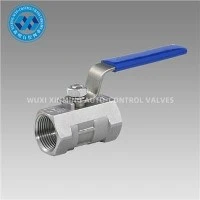
Hey there! As a supplier of vacuum ball valves, I often get asked about the noise levels during the operation of these valves. It's a crucial aspect, especially in environments where noise can be a nuisance or even a safety concern. So, let's dive right into it and explore what you can expect when it comes to the noise generated by vacuum ball valves.


First off, it's important to understand that the noise level of a vacuum ball valve during operation can vary depending on several factors. One of the primary factors is the design of the valve itself. Different valve designs can have different flow characteristics, which in turn can affect the noise produced. For example, a well - designed valve with smooth internal surfaces and proper flow paths will generally produce less noise compared to a valve with rough or irregular surfaces.
The size of the valve also plays a role. Larger valves typically handle higher flow rates, and as the fluid or gas moves through a larger opening, it can create more turbulence, which often leads to increased noise. On the other hand, smaller valves may have less flow capacity but can still generate noise if the flow velocity is too high for their size.
Another significant factor is the pressure differential across the valve. When there's a large difference in pressure between the inlet and the outlet of the valve, the fluid or gas rushing through can cause a lot of noise. This is because the sudden change in pressure can lead to the formation of shock waves and vibrations within the valve.
Now, let's talk about the materials used in the valve construction. Valves made from certain materials can dampen vibrations better than others. For instance, valves with rubber or other soft - material seats can absorb some of the vibrations and reduce noise compared to valves with metal - to - metal seats.
In addition to the valve itself, the way it's installed can also impact the noise level. If the valve is not properly mounted or if there are loose connections, it can cause rattling and additional noise. Also, the piping system connected to the valve can transmit and amplify the noise. A well - designed and properly supported piping system can help minimize this effect.
When it comes to specific noise levels, it's hard to give a one - size - fits - all answer. In general, a well - functioning vacuum ball valve in a normal operating environment might produce noise levels in the range of 50 - 70 decibels (dB). To put that into perspective, normal conversation usually occurs at around 60 dB, so this level of noise is relatively tolerable. However, if the valve is operating under extreme conditions, such as high pressure differentials or high flow rates, the noise can easily exceed 80 dB, which is comparable to the noise level of a busy city street.
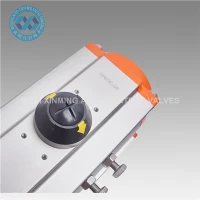
At our company, we offer a wide range of vacuum ball valves, and we understand the importance of keeping noise levels in check. We've put a lot of effort into the design and manufacturing of our valves to ensure that they operate as quietly as possible. For example, our Pneumatic Actuated Three - Way Stainless Steel Ball Valve is designed with advanced flow - control technology to minimize turbulence and thus reduce noise. The stainless - steel construction also provides durability while helping to dampen vibrations.
Our Pneumatic Actuator 3PC Thread Ball Valve is another great option. The 3 - piece design allows for easy maintenance, and the pneumatic actuator ensures smooth operation. We've optimized the internal flow paths to reduce the chances of high - velocity flow and the associated noise.
And then there's our Segment Control Valve With Pneumatic Actuator. This valve is ideal for applications where precise flow control is required. The segment design helps to regulate the flow more evenly, which can significantly reduce noise levels compared to traditional valve designs.
If you're in an environment where noise is a major concern, there are some additional steps you can take. You can install noise - reducing enclosures around the valve. These enclosures are designed to absorb and block the noise, preventing it from spreading to the surrounding area. Another option is to use silencers in the piping system. Silencers work by dissipating the energy of the sound waves, reducing the overall noise level.
In conclusion, the noise levels during the operation of a vacuum ball valve depend on multiple factors, including valve design, size, pressure differential, materials, and installation. At our company, we're committed to providing high - quality vacuum ball valves that not only perform well but also keep noise to a minimum. Whether you're in a factory, a laboratory, or any other setting where a vacuum ball valve is needed, we have the right solution for you.
If you're interested in learning more about our vacuum ball valves or have any questions regarding noise levels or other aspects of valve operation, don't hesitate to reach out. We're here to help you find the perfect valve for your specific needs and ensure a smooth and quiet operation. Let's start a conversation about your requirements and see how we can work together to make your project a success.
References
- "Valve Handbook" by Valve Manufacturers Association
- "Fluid Mechanics and Thermodynamics of Turbomachinery" by S. L. Dixon