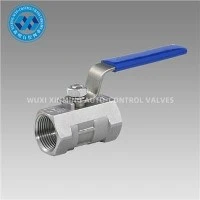
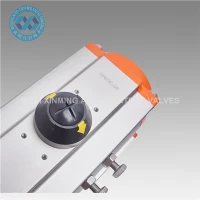
Hey there! As a thread ball valve supplier, I've been in the game for quite a while, and I've seen firsthand what it takes for a thread ball valve to perform well in a pneumatic system. In this blog post, I'm gonna break down the key requirements you should look for when choosing a thread ball valve for your pneumatic setup.
1. Material Quality
First off, the material of the thread ball valve is super important. In a pneumatic system, the valve is constantly exposed to air pressure, and sometimes, it might also come into contact with various gases or fluids. That's why we need a valve made of high - quality materials.
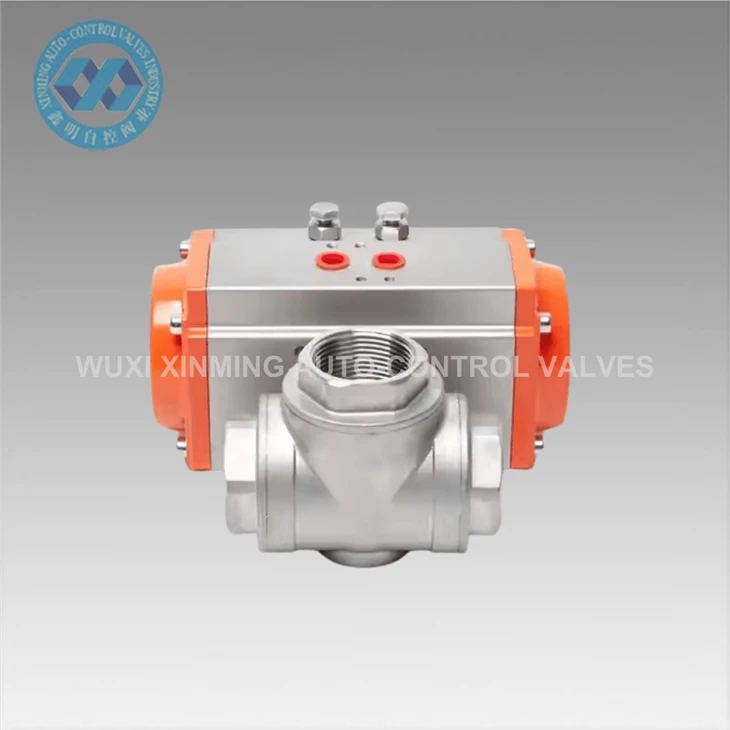
Stainless steel is a top choice. It's corrosion - resistant, which means it can withstand the test of time even in harsh environments. Our High Quality Stainless Steel Pneumatic Three - way Ball Valve is crafted from premium stainless steel. This ensures that it won't rust or corrode easily, maintaining its performance over the long run.
Brass is another option. It's relatively inexpensive and has good machinability. However, it might not be as corrosion - resistant as stainless steel in some extreme conditions. But for less demanding pneumatic systems, a brass thread ball valve can do the job just fine.
2. Sealing Performance
The sealing performance of a thread ball valve is crucial in a pneumatic system. A leaky valve can lead to a loss of air pressure, which in turn can affect the efficiency of the entire system.
The valve should have a tight seal between the ball and the seats. This is usually achieved through the use of high - quality sealing materials such as PTFE (Polytetrafluoroethylene). PTFE has excellent chemical resistance and low friction, which helps to create a reliable seal.
When the valve is closed, there should be no air leakage. And even when the valve is open and the system is under pressure, the seal should still be able to prevent any unwanted air seepage. Our Pneumatic Stainless Steel 3 Way Ball Valve is designed with high - performance seals to ensure airtight operation.
3. Pressure Rating
The pressure rating of the thread ball valve must match the pressure requirements of the pneumatic system. Different pneumatic systems operate at different pressure levels, and using a valve with an inappropriate pressure rating can be dangerous.
If the pressure rating of the valve is too low, it might fail under the system pressure, leading to leaks or even a complete breakdown. On the other hand, if the pressure rating is too high, you might end up paying more for a valve that has capabilities you don't actually need.
Before choosing a thread ball valve, you need to know the maximum operating pressure of your pneumatic system. Make sure to select a valve with a pressure rating that is equal to or higher than this value. Our 3 Way Ball Valve comes in a variety of pressure ratings to suit different pneumatic applications.
4. Flow Capacity
The flow capacity of the valve is also an important factor. It determines how much air can pass through the valve in a given time. If the flow capacity of the valve is too low, it can restrict the air flow in the system, causing a decrease in performance.
The size of the valve's bore (the opening inside the valve) plays a major role in determining the flow capacity. A larger bore allows more air to pass through. You need to consider the flow requirements of your pneumatic system when choosing the valve size.
For example, in a system where high - speed air flow is required, you'll need a valve with a larger bore and higher flow capacity. Our thread ball valves are available in different sizes to meet various flow requirements.
5. Actuation Method
In a pneumatic system, the thread ball valve can be actuated in different ways. The most common methods are manual and pneumatic actuation.
Manual actuation is simple and cost - effective. You can just turn the valve handle to open or close it. It's suitable for small - scale pneumatic systems where the valve doesn't need to be operated frequently.
Pneumatic actuation, on the other hand, is more suitable for larger systems or applications where remote operation is required. With pneumatic actuation, the valve can be controlled by air pressure, allowing for quick and precise operation. Our pneumatic thread ball valves are designed for easy and efficient pneumatic actuation, ensuring smooth operation of your system.
6. Durability and Longevity
A thread ball valve in a pneumatic system should be durable and have a long service life. It will be subjected to repeated opening and closing operations, as well as the constant pressure of the air in the system.
The valve should be able to withstand wear and tear. This means that the internal components, such as the ball and the stem, should be made of hard - wearing materials. Regular maintenance can also help to extend the life of the valve.

We ensure that our thread ball valves are built to last. We use high - quality materials and advanced manufacturing processes to make sure that our valves can handle the rigors of daily use in a pneumatic system.
7. Compatibility
The thread ball valve must be compatible with the other components in the pneumatic system. This includes the piping, fittings, and other valves.
The thread type of the valve should match the thread type of the piping. Common thread types include NPT (National Pipe Thread) and BSP (British Standard Pipe). Using incompatible threads can lead to leaks and installation problems.
Also, the valve should be able to work well with the other valves and components in the system. For example, if it's part of a complex pneumatic circuit, it should be able to integrate smoothly with the other elements to ensure the proper functioning of the whole system.
8. Temperature Range
The temperature range in which the thread ball valve can operate is another important consideration. In a pneumatic system, the temperature of the air or the surrounding environment can vary.
The valve should be able to maintain its performance within the expected temperature range. Extreme temperatures can affect the material properties of the valve and the sealing performance.
Most of our thread ball valves are designed to operate within a wide temperature range. However, if your pneumatic system operates in extremely high or low temperatures, you need to make sure to choose a valve that is specifically designed for such conditions.
Conclusion
So, there you have it - the key requirements for a thread ball valve in a pneumatic system. When choosing a thread ball valve, you need to consider factors like material quality, sealing performance, pressure rating, flow capacity, actuation method, durability, compatibility, and temperature range.
As a trusted thread ball valve supplier, we offer a wide range of high - quality thread ball valves that meet all these requirements. Whether you're looking for a simple manual valve or a sophisticated pneumatic - actuated valve, we've got you covered.
If you're in the market for a thread ball valve for your pneumatic system, don't hesitate to reach out. We can help you choose the right valve for your specific needs and provide you with top - notch products and services.
References
- Pneumatic System Handbook
- Valve Design and Application Guide