

Hey there! As a supplier of pneumatic actuators, I've seen firsthand how these nifty devices can revolutionize industrial operations. But let's face it, with great power comes great responsibility. That's why today, I'm going to walk you through the safety considerations you need to keep in mind when using pneumatic actuators.
Understanding Pneumatic Actuators
Before we dive into safety, let's quickly go over what pneumatic actuators are. In a nutshell, they're devices that use compressed air to create motion. This motion can be used to open or close valves, move machinery parts, and perform a whole host of other tasks in industrial settings. They're popular because they're relatively simple, cost-effective, and can generate a lot of force.
Pre - Installation Safety Checks
First things first, before you even install a pneumatic actuator, there are some important safety checks you need to do.
Compressed Air Supply
The compressed air supply is the lifeblood of your pneumatic actuator. Make sure that the air compressor is in good working condition. Check for any signs of leaks in the air lines. A small leak might seem insignificant, but over time, it can lead to reduced performance and even pose a safety hazard. You should also ensure that the air pressure is within the recommended range for the actuator. Too much pressure can cause the actuator to malfunction or even break apart, while too little pressure won't allow it to perform its intended function.
Mounting and Alignment
Proper mounting and alignment are crucial. The actuator should be securely mounted on a stable surface. If it's not, vibrations during operation can cause it to shift or come loose, which can lead to unexpected movements or damage to the actuator. Also, make sure that the actuator is aligned correctly with the device it's supposed to operate. Misalignment can put extra stress on the actuator, reducing its lifespan and increasing the risk of failure.
Operational Safety
Once the pneumatic actuator is installed and ready to go, there are still plenty of safety considerations during operation.
Personal Protective Equipment (PPE)
Anyone working around pneumatic actuators should wear appropriate PPE. This includes safety glasses to protect against flying debris, gloves to protect hands from sharp edges or hot surfaces, and ear protection if the actuator generates a lot of noise. In some cases, depending on the application, workers might also need to wear safety shoes and protective clothing.
Regular Inspections
Regular inspections are a must. Check the actuator for any signs of wear and tear, such as cracks, leaks, or loose parts. Look at the seals to make sure they're intact and not leaking air. You should also check the lubrication levels if the actuator requires lubrication. If you notice any issues during an inspection, stop using the actuator immediately and have it repaired or replaced.
Emergency Stop Procedures
It's essential to have clear emergency stop procedures in place. In case of an emergency, workers should know exactly how to stop the actuator quickly. This might involve using an emergency stop button or shutting off the compressed air supply. Make sure that all workers are trained on these procedures and that the emergency stop devices are easily accessible.
Maintenance Safety
Maintenance is key to keeping your pneumatic actuator running safely and efficiently.
Lock - Out/Tag - Out Procedures
Before performing any maintenance on the actuator, you must follow lock - out/tag - out procedures. This means shutting off the compressed air supply and locking it out so that it can't be accidentally turned back on. You should also tag the equipment to indicate that it's being serviced. This helps prevent anyone from starting the actuator while maintenance is being done, which could lead to serious injury.
Cleaning and Lubrication
When cleaning the actuator, use the appropriate cleaning agents. Some solvents can damage the actuator's components, so make sure you use products that are recommended by the manufacturer. If the actuator requires lubrication, use the right type of lubricant and apply it at the recommended intervals. Over - lubrication or using the wrong lubricant can cause problems, so follow the manufacturer's guidelines carefully.
Hazardous Environments
If your pneumatic actuator is being used in a hazardous environment, such as an area with flammable gases or dust, there are additional safety considerations.
Explosion - Proof Actuators
In explosive environments, you need to use explosion - proof pneumatic actuators. These actuators are designed to prevent sparks or heat from igniting the surrounding flammable substances. They're built with special materials and have additional safety features to ensure safe operation in these high - risk areas.
Dust and Contamination
In dusty environments, the actuator can be at risk of contamination. Make sure that the actuator is properly sealed to prevent dust from entering. You might also need to install air filters to clean the compressed air before it enters the actuator. This helps prevent damage to the internal components and ensures that the actuator operates smoothly.
Training and Education
All workers who will be using or working around pneumatic actuators should receive proper training. They need to understand how the actuator works, the safety procedures, and how to recognize potential hazards. Training should be ongoing, especially if there are any changes to the equipment or procedures.
Our Products and Safety
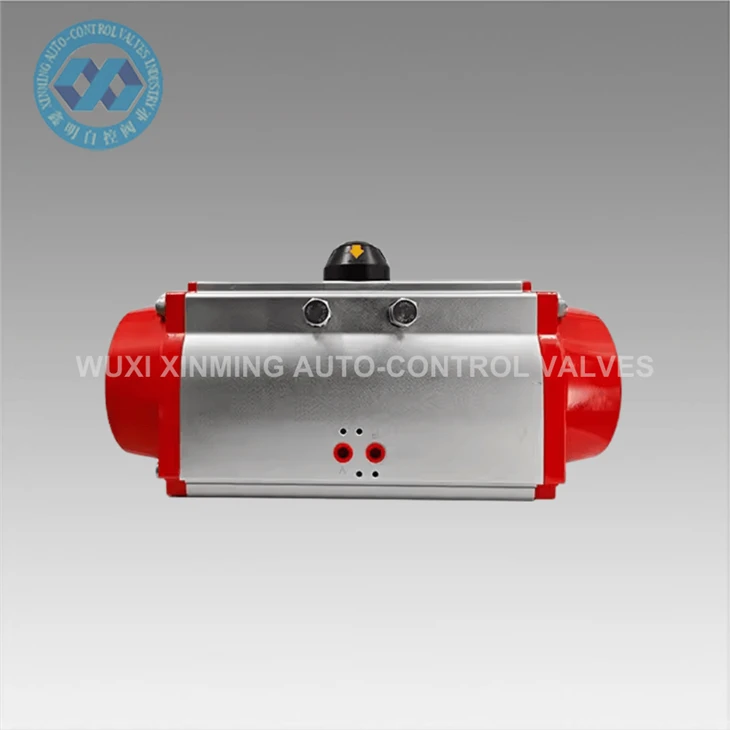
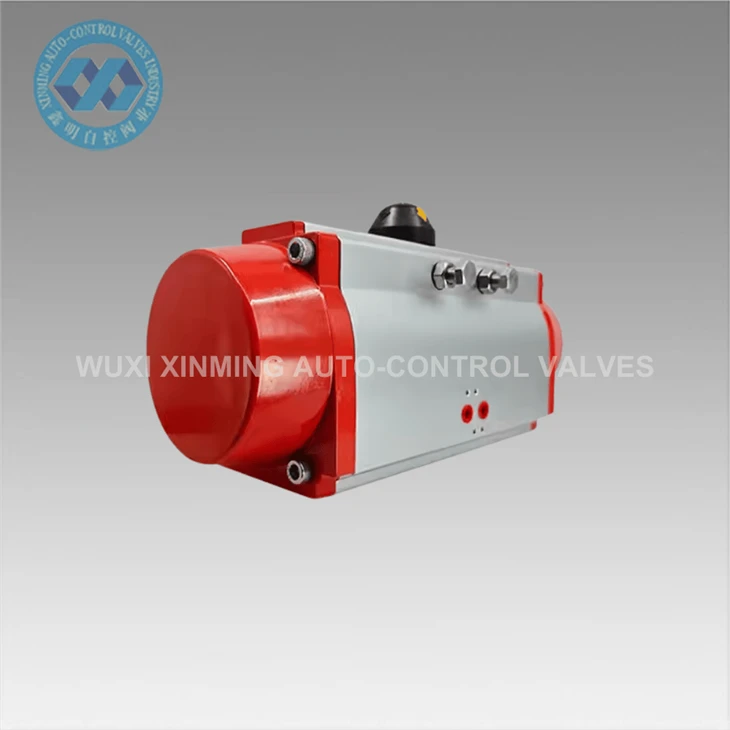
At our company, we take safety very seriously. We offer a wide range of high - quality pneumatic actuators, including the Outstanding Pneumatic Stainless Steel Ball Valve and the 90 Degree Pneumatic Actuator. Our products are designed with safety in mind, and we have eighteen Years in Pneumatics – Expertise You Rely On. We make sure that all our actuators meet the highest safety standards and come with detailed instructions on installation, operation, and maintenance.
Conclusion
Using pneumatic actuators can offer many benefits in industrial applications, but safety should always be your top priority. By following the safety considerations we've discussed today, you can minimize the risks and ensure that your pneumatic actuators operate safely and efficiently. If you're in the market for a reliable pneumatic actuator, don't hesitate to reach out to us. We're here to help you find the right product for your needs and ensure that you have all the information you need to use it safely.
References
- "Pneumatic Actuator Handbook" - Industrial Pneumatics Association
- "Safety Guidelines for Compressed Air Systems" - Occupational Safety and Health Administration (OSHA)




