Hey there! As a supplier of Lug Butterfly Valves, I've been getting a lot of questions about the specific requirements for these valves in water treatment applications. So, I thought I'd put together this blog post to share some insights.
First off, let's talk about what a Lug Butterfly Valve is. It's a type of quarter - turn valve that uses a disc to control the flow of fluid. The "lug" design means it has threaded inserts on the outside of the valve body, which allows it to be installed between two flanges using bolts. This makes it easy to install and remove, which is super handy in water treatment plants where maintenance and repairs are common.
1. Material Requirements
One of the most important requirements for Lug Butterfly Valves in water treatment is the choice of materials. Water treatment often involves dealing with various chemicals, different water qualities, and sometimes high - pressure conditions.
The valve body is usually made of materials like cast iron, ductile iron, or stainless steel. Cast iron is a cost - effective option, but it may not be suitable for highly corrosive water. Ductile iron offers better strength and corrosion resistance than cast iron. Stainless steel is the top choice when dealing with aggressive chemicals or high - purity water. It can withstand oxidation and corrosion, ensuring a long service life.
The disc material also matters. For general water treatment, a stainless - steel disc is a popular choice. It provides good durability and can handle a wide range of water conditions. Some applications might require a coated disc, such as a rubber - coated disc, which can enhance the sealing performance and provide better resistance to abrasion.
The seat material is crucial for a leak - tight seal. In water treatment, elastomers like EPDM (Ethylene Propylene Diene Monomer) are commonly used. EPDM has excellent resistance to water, steam, and many chemicals. It can maintain its flexibility over a wide temperature range, which is important as water treatment processes can involve different temperatures.
2. Sealing Performance
In water treatment, a tight seal is essential to prevent leaks. Leaks can lead to water wastage, contamination, and can even cause damage to the surrounding equipment. Lug Butterfly Valves need to have a high - quality sealing mechanism.
The soft - seal design is very effective for achieving a leak - tight performance. You can check out our Soft - seal Butterfly Valve For Leak - Tight Performance for more details on this. Soft - seal valves use an elastomeric seat that conforms to the disc, creating a reliable seal. The valve should be able to achieve a zero - leakage or near - zero - leakage performance, especially in applications where the water needs to be contained strictly.
The valve's design also plays a role in sealing. A well - designed valve will have a proper disc - to - seat contact area. The disc should close evenly against the seat, and the valve should be able to maintain this seal under different pressure and flow conditions.
3. Flow Control
Water treatment processes often require precise flow control. Whether it's regulating the flow of water into a treatment tank, controlling the amount of chemicals added, or managing the discharge of treated water, Lug Butterfly Valves need to offer accurate flow control.
The valve's flow coefficient (Cv) is an important factor. A higher Cv value means the valve can allow a greater flow rate at a given pressure drop. When selecting a Lug Butterfly Valve for water treatment, you need to consider the required flow rate and pressure in the system. Our valves are designed to have a good Cv value, ensuring efficient flow control.
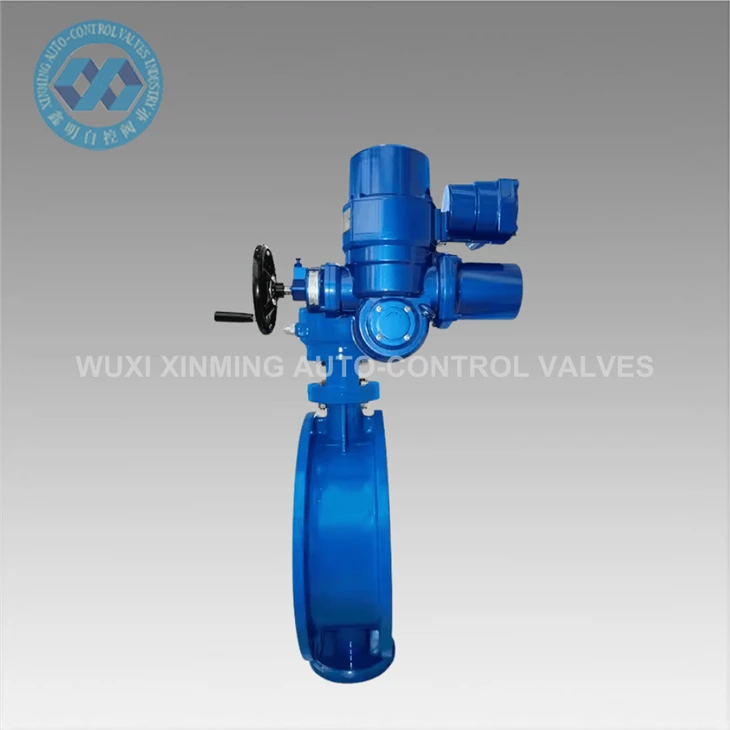
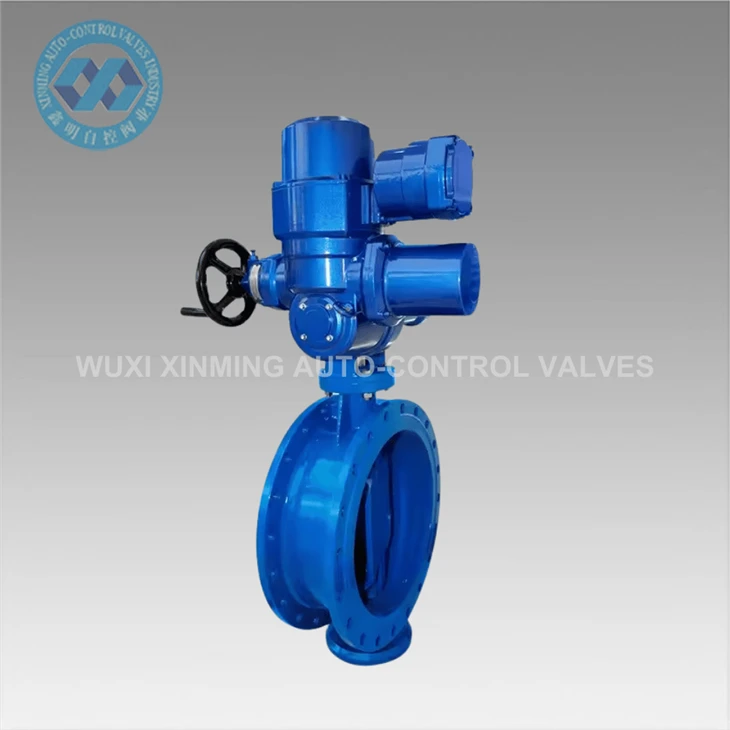
The valve's actuation method also affects flow control. Manual valves are simple and cost - effective for applications where the flow doesn't need to be adjusted frequently. However, for more precise and automated control, pneumatic or electric actuators are a better choice. For example, our Pneumatic High Performace Butterfly Valve offers high - performance flow control. It can respond quickly to changes in the system and can be integrated into an automated control system.
4. Pressure and Temperature Resistance
Water treatment systems can operate under different pressure and temperature conditions. The Lug Butterfly Valve needs to be able to withstand these conditions without failing.
In terms of pressure, the valve should be rated for the maximum pressure that the system can reach. This includes both static pressure and pressure surges. High - pressure applications may require a valve with a stronger body and a more robust sealing mechanism. Our High Quality Valve Pneumatic Control Butterfly Valve is designed to handle high - pressure situations effectively.
Temperature is another factor. Water treatment processes can involve hot water, especially in processes like disinfection. The valve materials should be able to maintain their properties at the operating temperature. For example, EPDM seats can usually handle temperatures up to around 120°C, but if the application involves higher temperatures, a different seat material may be required.
5. Maintenance and Longevity
In a water treatment plant, minimizing downtime for maintenance is crucial. Lug Butterfly Valves should be easy to maintain. They should have a simple design that allows for quick inspection, cleaning, and replacement of parts.
The valve's components should be durable and resistant to wear and tear. A well - maintained valve can have a long service life, which reduces the overall cost of the water treatment system. Regular maintenance, such as lubricating the moving parts and checking the sealing performance, can help ensure the valve operates smoothly.
6. Compliance with Standards
Water treatment is a highly regulated industry. Lug Butterfly Valves need to comply with relevant standards and regulations. These standards ensure the valve's safety, performance, and quality.
Some common standards include ANSI (American National Standards Institute) standards in the United States and ISO (International Organization for Standardization) standards globally. Compliance with these standards means the valve has been tested and meets certain criteria for design, material, and performance.
If you're in the market for high - quality Lug Butterfly Valves for your water treatment applications, we're here to help. We've got a wide range of valves that meet all the specific requirements I've talked about. Whether you need a simple manual valve or a high - performance pneumatically actuated valve, we've got you covered. Don't hesitate to get in touch with us for a detailed discussion on your specific needs and to start the procurement process.
References
- Water Treatment Handbook, Various Authors
- Valve Standards and Guidelines, ANSI and ISO Publications
So, if you're looking for reliable Lug Butterfly Valves for your water treatment project, reach out and let's have a chat about your requirements. We're confident that we can provide the right solutions for you.