Soft-seal ball valves are essential components in various industries, offering reliable flow control and shut-off capabilities. As a supplier of soft-seal ball valves, I'm excited to share with you the wide range of customization options available to meet your specific needs.

Material Selection
One of the first customization options for soft-seal ball valves is the choice of materials. The valve body, ball, and seat materials can significantly impact the valve's performance, durability, and compatibility with different fluids.
- Valve Body Materials: Common valve body materials include stainless steel, carbon steel, and brass. Stainless steel is known for its corrosion resistance, making it suitable for applications in harsh environments or with corrosive fluids. Carbon steel is a cost-effective option for general-purpose applications, while brass is often used in smaller valves for residential or light commercial use.
- Ball Materials: The ball is a critical component of the valve, and its material should be chosen based on the application requirements. Stainless steel balls are commonly used due to their corrosion resistance and durability. Other materials, such as ceramic or titanium, may be used for specialized applications where high wear resistance or chemical compatibility is required.
- Seat Materials: The seat material is responsible for providing a tight seal between the ball and the valve body. Soft-seal ball valves typically use elastomeric materials, such as EPDM, NBR, or Viton, for the seat. These materials offer excellent sealing performance and are compatible with a wide range of fluids. However, the choice of seat material should be based on the specific application, including the fluid temperature, pressure, and chemical composition.
End Connections
Another important customization option for soft-seal ball valves is the end connections. The end connections determine how the valve is installed and connected to the piping system.
- Threaded Connections: Threaded connections are a common choice for smaller valves, especially in residential or light commercial applications. They are easy to install and provide a reliable seal. However, threaded connections may not be suitable for high-pressure applications or large-diameter pipes.
- Flanged Connections: Flanged connections are commonly used in industrial applications where high-pressure and large-diameter pipes are involved. They provide a secure and leak-free connection and are easy to install and maintain. Flanged connections are available in various sizes and pressure ratings to meet different application requirements.
- Welded Connections: Welded connections are used in applications where a permanent and leak-free connection is required. They are commonly used in high-pressure and high-temperature applications, such as in the oil and gas industry. Welded connections require specialized welding equipment and skills, but they provide a strong and reliable connection.
Actuation Options
Soft-seal ball valves can be actuated manually or automatically. The choice of actuation method depends on the application requirements and the level of control needed.
- Manual Actuation: Manual actuation is the simplest and most cost-effective option for soft-seal ball valves. It involves using a handwheel or lever to open and close the valve. Manual actuation is suitable for applications where the valve does not need to be operated frequently or where the flow rate is relatively low.
- Electric Actuation: Electric actuation is a popular choice for applications where remote control or automation is required. Electric actuators can be controlled using a variety of methods, such as a switch, a timer, or a programmable logic controller (PLC). Electric actuation provides precise control and can be integrated into a larger control system.
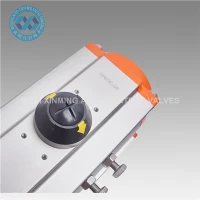
- Pneumatic Actuation: Pneumatic actuation is another common option for soft-seal ball valves. Pneumatic actuators use compressed air to open and close the valve. They are fast, reliable, and suitable for applications where a high level of control is required. Pneumatic actuation is commonly used in industrial applications, such as in the chemical, pharmaceutical, and food processing industries.
Special Features
In addition to the standard customization options, soft-seal ball valves can also be customized with special features to meet specific application requirements.
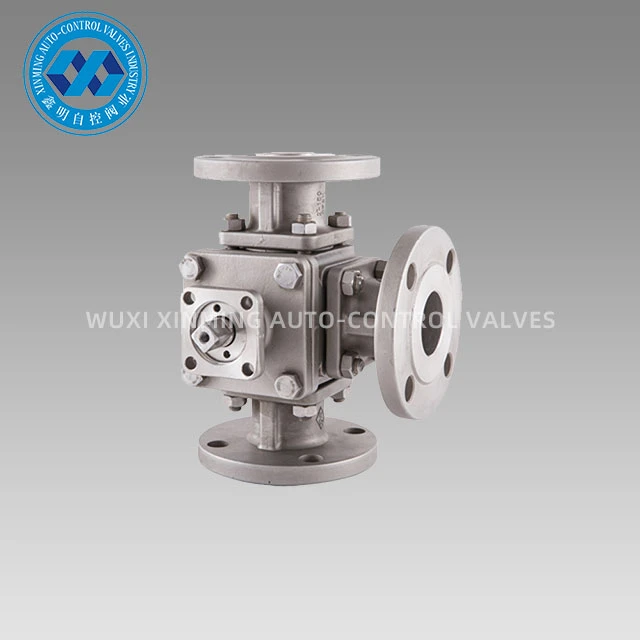
- Three Way Ball Valve: A Three Way Ball Valve is a type of ball valve that has three ports instead of the standard two ports. It allows for the diversion or mixing of fluids in a piping system. Three way ball valves are commonly used in applications where the flow direction needs to be changed or where multiple fluids need to be mixed.
- Segment Control Valve With Pneumatic Actuator: A Segment Control Valve With Pneumatic Actuator is a type of ball valve that is designed for precise flow control. It uses a segmented ball to regulate the flow rate and can be actuated using a pneumatic actuator. Segment control valves are commonly used in applications where accurate flow control is required, such as in the chemical, pharmaceutical, and food processing industries.
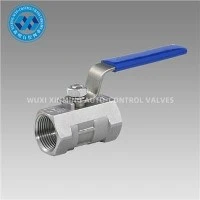
- Manual 1pc Thread Ball Valve: A Manual 1pc Thread Ball Valve is a type of ball valve that is designed for simple on/off applications. It is a one-piece valve with a threaded end connection and is actuated manually using a handwheel or lever. Manual 1pc thread ball valves are commonly used in residential and light commercial applications, such as in plumbing systems.
Conclusion
As a supplier of soft-seal ball valves, I understand the importance of providing customized solutions to meet the specific needs of my customers. Whether you need a valve with a specific material, end connection, actuation method, or special feature, I can work with you to design and manufacture a valve that meets your requirements.
If you're interested in learning more about our soft-seal ball valves or have any questions about customization options, please don't hesitate to contact me. I'd be happy to discuss your needs and provide you with a quote. Let's work together to find the perfect valve solution for your application.