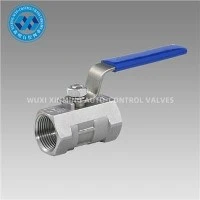
As a supplier of Ceramic Ball Valves, I often encounter inquiries about the abrasion resistance of ceramic balls in these valves. This property is crucial as it significantly impacts the performance and lifespan of the valve, especially in industries where the valve is exposed to abrasive media.
Understanding Abrasion Resistance
Abrasion resistance refers to the ability of a material to withstand wear and tear caused by friction or the impact of solid particles. In the context of ceramic ball valves, the ceramic ball is the key component that comes into direct contact with the flowing medium. The abrasion resistance of the ceramic ball determines how well it can maintain its shape and surface finish over time, ensuring a tight seal and efficient flow control.
Ceramic materials are known for their excellent hardness and wear resistance. They are typically made from materials such as alumina, zirconia, or silicon carbide, which have high melting points and strong atomic bonds. These properties make ceramic balls highly resistant to abrasion, corrosion, and high temperatures, making them ideal for use in harsh environments.
Factors Affecting Abrasion Resistance
Several factors can influence the abrasion resistance of ceramic balls in a ceramic ball valve. These include:
- Material Composition: The type of ceramic material used in the ball plays a significant role in its abrasion resistance. Different ceramic materials have different hardness and wear properties. For example, silicon carbide is known for its exceptional hardness and abrasion resistance, making it suitable for applications where high wear resistance is required.
- Surface Finish: The surface finish of the ceramic ball can also affect its abrasion resistance. A smooth surface finish reduces friction and wear, while a rough surface can increase the likelihood of abrasion. Therefore, it is important to ensure that the ceramic ball has a high-quality surface finish to improve its abrasion resistance.
- Operating Conditions: The operating conditions of the valve, such as the flow rate, pressure, and temperature of the medium, can also impact the abrasion resistance of the ceramic ball. High flow rates and pressures can increase the impact of solid particles on the ball, leading to increased wear. Similarly, high temperatures can cause the ceramic material to expand and contract, which can also affect its abrasion resistance.
- Particle Size and Shape: The size and shape of the solid particles in the medium can also affect the abrasion resistance of the ceramic ball. Larger and sharper particles can cause more damage to the ball surface than smaller and rounder particles. Therefore, it is important to consider the particle size and shape when selecting a ceramic ball valve for a particular application.
Benefits of High Abrasion Resistance
The high abrasion resistance of ceramic balls in ceramic ball valves offers several benefits, including:
- Longer Lifespan: A ceramic ball with high abrasion resistance can withstand the wear and tear caused by abrasive media for a longer period of time, reducing the need for frequent replacement. This can result in significant cost savings for the end user.
- Improved Performance: A ceramic ball with a smooth surface finish and high abrasion resistance can provide a tight seal and efficient flow control, ensuring the proper functioning of the valve. This can improve the overall performance of the system and reduce the risk of leaks and downtime.
- Reduced Maintenance: A ceramic ball valve with high abrasion resistance requires less maintenance compared to valves made from other materials. This can save time and money for the end user and reduce the environmental impact of the system.
Applications of Ceramic Ball Valves with High Abrasion Resistance
Ceramic ball valves with high abrasion resistance are commonly used in industries where the valve is exposed to abrasive media, such as:
- Mining and Mineral Processing: In the mining and mineral processing industry, ceramic ball valves are used to control the flow of abrasive slurries and other materials. The high abrasion resistance of the ceramic ball ensures that the valve can withstand the wear and tear caused by the abrasive particles in the slurry, providing reliable and efficient flow control.
- Chemical and Petrochemical Industry: In the chemical and petrochemical industry, ceramic ball valves are used to control the flow of corrosive and abrasive chemicals. The high abrasion resistance and corrosion resistance of the ceramic ball make it suitable for use in these harsh environments, ensuring the safety and reliability of the system.
- Power Generation: In the power generation industry, ceramic ball valves are used to control the flow of steam, water, and other fluids. The high abrasion resistance and temperature resistance of the ceramic ball make it suitable for use in high-temperature and high-pressure applications, ensuring the efficient operation of the power plant.
Our Ceramic Ball Valves
As a supplier of Ceramic Ball Valves, we offer a wide range of valves with high abrasion resistance. Our valves are made from high-quality ceramic materials, such as alumina and zirconia, which have excellent hardness and wear resistance. We also offer a variety of surface finishes to ensure that the ceramic ball has a smooth and durable surface.


In addition to our standard ceramic ball valves, we also offer customized solutions to meet the specific needs of our customers. Our team of experts can work with you to design and manufacture a ceramic ball valve that is tailored to your application requirements.
If you are interested in learning more about our Ceramic Ball Valves or would like to discuss your specific application requirements, please contact us. We would be happy to provide you with more information and help you select the right valve for your needs.
Conclusion
The abrasion resistance of the ceramic ball in a ceramic ball valve is a critical factor that determines the performance and lifespan of the valve. By understanding the factors that affect abrasion resistance and selecting a high-quality ceramic ball valve, you can ensure that your valve provides reliable and efficient flow control in even the most challenging environments.
If you are in the market for a Ceramic Ball Valve, we encourage you to contact us to learn more about our products and services. Our team of experts is ready to help you find the right valve for your application and provide you with the support you need to ensure its successful operation.
References
- "Ceramic Materials: Properties and Applications." Journal of Materials Science.
- "Abrasion Resistance of Ceramic Materials." International Journal of Wear.
- "Ceramic Ball Valves: Design and Performance." Valve World Magazine.
Additional Links
If you are interested in purchasing our Ceramic Ball Valves or have any questions about our products, please feel free to contact us for a detailed discussion. Our team of professionals will be more than happy to assist you in finding the most suitable solution for your specific needs.