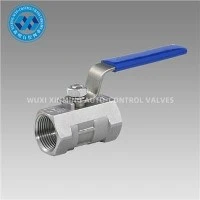
As a ball valve supplier deeply immersed in the industry, the choice of ball material in a ball valve is a topic that stands at the core of both product quality and performance. This blog post will delve into the various ball materials used in ball valves, their characteristics, and how they suit different applications.
Common Ball Materials
Stainless Steel
Stainless steel is one of the most widely used materials for ball valves. Its corrosion - resistant properties make it suitable for a wide range of environments. Alloying elements such as chromium, nickel, and molybdenum give stainless steel its anti - rust and corrosion - resistant capabilities. For example, 316 stainless steel contains molybdenum, which enhances its resistance to pitting and crevice corrosion in chloride - containing environments.
Stainless steel balls are strong and durable, able to withstand high pressures and temperatures. They are commonly used in industries like chemical processing, water treatment, and food and beverage. In the food and beverage industry, the hygienic properties of stainless steel are crucial, as it meets strict regulatory requirements for contact with consumable products. Our Tee High Platform Stainless Steel T - L - type Pneumatic Ball Valve utilizes high - quality stainless steel balls, ensuring reliable performance in applications where corrosion resistance and durability are paramount.
Brass
Brass is an alloy of copper and zinc, and it has a long history of use in valve manufacturing. Brass balls are relatively easy to machine, which makes them cost - effective. They offer good corrosion resistance, especially in freshwater applications. Brass also has excellent thermal conductivity, which can be beneficial in some heating and cooling systems.
However, brass may not be suitable for highly corrosive environments or applications where the presence of ammonia or certain chemicals can cause dezincification. In less demanding applications such as residential plumbing, brass ball valves are popular due to their affordability and ease of installation.
Carbon Steel
Carbon steel balls are known for their high strength and ability to withstand high - pressure applications. They contain varying amounts of carbon, which enhances their hardness and tensile strength. Carbon steel is commonly used in industries such as oil and gas, power generation, and mining.


In oil and gas pipelines, carbon steel ball valves are used to control the flow of crude oil, natural gas, and other fluids under high pressures. These valves are often coated or lined to improve their corrosion resistance, as carbon steel is prone to rusting in the presence of moisture and oxygen.
Alloy Steel
Alloy steel is a more specialized material, created by adding various alloying elements to carbon steel. It offers enhanced mechanical properties such as greater strength, toughness, and wear resistance compared to regular carbon steel. Alloy steel balls are used in high - performance applications where extreme conditions are present, such as in high - temperature and high - pressure environments in the chemical and petrochemical industries.
Ceramic
Ceramic balls are a relatively new addition to the ball valve market. They offer exceptional hardness, wear resistance, and chemical inertness. Ceramic is highly resistant to corrosion, even in the most aggressive chemical environments. This makes ceramic ball valves ideal for applications in the chemical industry, where they can handle corrosive acids, alkalis, and solvents.
However, ceramic is brittle compared to metals, and care must be taken during installation and operation to prevent cracking. Despite this limitation, the long - term performance and durability of ceramic ball valves make them a valuable option in certain high - end applications.
How to Choose the Right Ball Material
Consider the Fluid
The nature of the fluid flowing through the valve is a primary factor in choosing the ball material. For corrosive fluids such as acids or alkalis, stainless steel or ceramic balls are often the best choice. If the fluid is a non - corrosive gas or liquid like air or water, brass or carbon steel may be sufficient.
Pressure and Temperature
High - pressure and high - temperature applications require materials with high strength and heat resistance. Alloy steel and stainless steel are well - suited for these conditions. For low - pressure and low - temperature applications, brass may be a more cost - effective option.
Application Environment
The environment in which the valve operates also matters. In outdoor or marine environments, corrosion - resistant materials like stainless steel are necessary to prevent rust and degradation. In hygienic applications such as food and beverage or pharmaceutical industries, materials that are easy to clean and meet sanitary standards, like stainless steel, are preferred.
Our Product Range
As a ball valve supplier, we offer a wide range of ball valves with different ball materials to meet various customer needs. Our 3 Way Ball Valve With Pneumatic Actuator is available with stainless steel balls, which are ideal for applications requiring precise flow control and corrosion resistance. The Electrical Ball Valve can be equipped with different ball materials depending on the specific application, providing reliable and automated flow control.
Contact for Purchase and Negotiation
If you are in the market for high - quality ball valves, we invite you to contact us for purchase and negotiation. Our team of experts is ready to assist you in selecting the right ball valve with the appropriate ball material for your specific application. We are committed to providing you with products that meet the highest standards of quality and performance.
References
- Valve Handbook, 4th Edition.
- ASME Standards on Valves.
- Industry research papers on ball valve materials and applications.