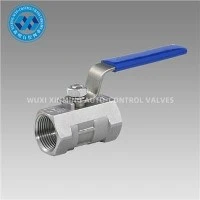
Hey there! As a supplier of Flange Ball Valves, I often get asked about the cryogenic performance of these valves. So, let's dive right into it and explore what makes a Flange Ball Valve perform well in cryogenic conditions.
First off, what exactly is cryogenic performance? Cryogenic applications involve extremely low temperatures, typically below -150°C (-238°F). In these conditions, materials and components can behave very differently compared to normal operating temperatures. For a Flange Ball Valve, cryogenic performance means being able to function properly, maintain a tight seal, and resist damage at these frigid temperatures.
One of the key factors in the cryogenic performance of a Flange Ball Valve is the choice of materials. The valve body, ball, and stem need to be made from materials that can withstand the extreme cold without becoming brittle or losing their mechanical properties. Stainless steel is a popular choice for cryogenic applications because it has good strength and ductility at low temperatures. It can handle the thermal stresses that occur as the valve is exposed to the cold and then returns to normal temperatures.
Another important aspect is the sealing mechanism. At cryogenic temperatures, the materials used for seals can contract and lose their ability to create a tight seal. To address this, special seals made from materials like PTFE (polytetrafluoroethylene) or other elastomers that are designed to perform well in cold conditions are used. These seals need to be carefully selected and installed to ensure a reliable seal even at cryogenic temperatures.
The design of the Flange Ball Valve also plays a crucial role in its cryogenic performance. The valve should be designed to minimize heat transfer, as any heat entering the valve can cause the cryogenic fluid to vaporize and disrupt the flow. This is often achieved through the use of insulation materials and proper valve construction. Additionally, the valve should be able to handle the pressure changes that occur as the cryogenic fluid warms up and expands.
Now, let's talk about some of the benefits of using a Flange Ball Valve in cryogenic applications. One of the main advantages is its ability to provide a tight shut-off. This is essential in cryogenic systems where even a small leak can lead to significant losses of the cryogenic fluid and potential safety hazards. Flange Ball Valves are also relatively easy to operate, which is important in environments where operators may be wearing protective gear and have limited dexterity.
In addition to their cryogenic performance, Flange Ball Valves are also known for their durability and reliability. They can withstand the harsh conditions of cryogenic applications and require minimal maintenance. This makes them a cost-effective solution for many industries, including the aerospace, pharmaceutical, and food processing industries.


If you're in the market for a Flange Ball Valve for cryogenic applications, it's important to choose a supplier that has experience and expertise in this area. At our company, we have been supplying high-quality Flange Ball Valves for many years, and we understand the unique requirements of cryogenic applications. We offer a wide range of valves that are designed to meet the specific needs of our customers, and we can provide technical support and advice to ensure that you choose the right valve for your application.
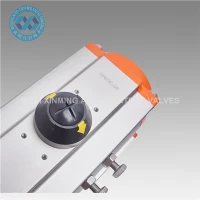
In addition to Flange Ball Valves, we also offer other types of valves, such as 3PC Thread Ball Valve and Sanitary Ball Valve. These valves are also suitable for a variety of applications, including cryogenic ones. We also have 180 Degree Pneumatic Actuator 3 Way Ball Valve, 3 Way Ball Valve With Pneumatic Actuator that can provide automated control in your system.
If you're interested in learning more about our Flange Ball Valves or any of our other products, please feel free to contact us. We'd be happy to discuss your requirements and provide you with a quote. Our team of experts is always available to answer your questions and help you find the right solution for your needs. Whether you're working on a small project or a large-scale industrial application, we have the products and expertise to meet your requirements. So, don't hesitate to reach out and start a conversation with us. We look forward to working with you!
Reference