As a seasoned supplier of thin ball valves, I've witnessed firsthand the diverse needs and preferences of our clients. One of the most common inquiries we receive is about the difference between single - piece and multi - piece thin ball valves. In this blog post, I'll delve into the unique features, advantages, and applications of each type to help you make an informed decision for your specific requirements.
Understanding Single - Piece Thin Ball Valves
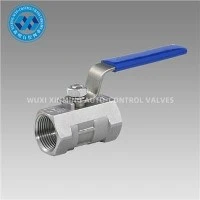
Single - piece thin ball valves are precisely what their name implies: a valve constructed as a single, unified unit. This design offers several distinct characteristics that set it apart from multi - piece counterparts.
Design and Structure
The single - piece design means that the valve body is formed as one continuous piece, with the ball, stem, and seats integrated within. This simplicity of design results in a compact and streamlined appearance, making it ideal for applications where space is at a premium. The lack of joints or seams in the valve body reduces the risk of leakage, providing a high level of reliability and durability.
Advantages
- Cost - Effective: Single - piece thin ball valves are generally more affordable than multi - piece valves. The simplified manufacturing process reduces production costs, which are then passed on to the customer. This makes them an attractive option for budget - conscious projects without sacrificing quality.
- Leak - Resistant: With no external joints or connections, the risk of leakage is significantly minimized. This is particularly important in applications where fluid containment is critical, such as in chemical processing plants or water treatment facilities.
- Easy Installation: Their compact size and simple design make single - piece thin ball valves easy to install. They can be quickly integrated into existing piping systems, reducing installation time and labor costs.
Applications
Single - piece thin ball valves are commonly used in a variety of industries, including:
- Residential Plumbing: In homes, these valves are often used in water supply lines, faucets, and toilets. Their affordability and leak - resistance make them a popular choice for DIY projects and small - scale plumbing repairs.
- Light Industrial Applications: Industries such as food and beverage, pharmaceuticals, and electronics often use single - piece thin ball valves for low - pressure and low - flow applications. For example, in a food processing plant, these valves can be used to control the flow of ingredients or cleaning solutions.
Exploring Multi - Piece Thin Ball Valves
Multi - piece thin ball valves, on the other hand, are composed of multiple components that are assembled together. This design offers greater flexibility and customization options compared to single - piece valves.
Design and Structure
A multi - piece thin ball valve typically consists of a body, end caps, ball, stem, and seats. The body is usually made up of two or more pieces that are bolted or threaded together. This modular design allows for easy disassembly and maintenance, as individual components can be replaced without having to replace the entire valve.
Advantages
- Maintenance and Repair: One of the key advantages of multi - piece thin ball valves is their ease of maintenance. If a component such as the ball or seat becomes damaged, it can be easily removed and replaced. This reduces downtime and maintenance costs, especially in industrial applications where continuous operation is essential.
- Customization: Multi - piece valves offer greater flexibility in terms of materials, sizes, and end connections. Customers can choose from a wide range of materials, including stainless steel, brass, and PVC, depending on the specific requirements of their application. Additionally, different end connections such as flanged, threaded, or welded can be selected to ensure compatibility with existing piping systems.
- Higher Pressure and Flow Ratings: Due to their robust construction, multi - piece thin ball valves can handle higher pressures and flow rates compared to single - piece valves. This makes them suitable for more demanding applications, such as in oil and gas pipelines or power generation plants.
Applications
Multi - piece thin ball valves are widely used in industries that require high - performance valves, including:
- Oil and Gas Industry: In the oil and gas sector, these valves are used in pipelines, refineries, and offshore platforms. Their ability to withstand high pressures and corrosive environments makes them essential for ensuring the safe and efficient operation of these facilities.
- Power Generation: Power plants, whether they are coal - fired, nuclear, or hydroelectric, rely on multi - piece thin ball valves to control the flow of steam, water, and other fluids. The valves' high - performance capabilities and ease of maintenance are crucial for maintaining the reliability of the power generation process.
Comparing Single - Piece and Multi - Piece Thin Ball Valves
Now that we've explored the characteristics of both single - piece and multi - piece thin ball valves, let's compare them side by side to highlight the key differences.
Cost
As mentioned earlier, single - piece thin ball valves are generally more cost - effective than multi - piece valves. However, the total cost of ownership should also take into account factors such as maintenance and replacement costs over the valve's lifespan. In some cases, the higher initial cost of a multi - piece valve may be offset by lower maintenance and replacement costs in the long run.
Leakage Risk
Single - piece valves have a lower risk of leakage due to their seamless design. However, multi - piece valves can also provide a high level of leak - resistance if properly installed and maintained. The use of high - quality gaskets and seals in multi - piece valves can minimize the risk of leakage.
Maintenance
Multi - piece thin ball valves offer significant advantages in terms of maintenance. Their modular design allows for easy disassembly and component replacement, reducing downtime and maintenance costs. In contrast, single - piece valves are more difficult to repair, and in most cases, a damaged valve may need to be replaced entirely.
Pressure and Flow Ratings
Multi - piece valves are better suited for applications that require higher pressure and flow ratings. Their robust construction and ability to handle greater stress make them the preferred choice for industrial applications where performance is critical. Single - piece valves, on the other hand, are more suitable for low - pressure and low - flow applications.
Making the Right Choice
When choosing between a single - piece and a multi - piece thin ball valve, it's important to consider your specific application requirements. Here are some factors to keep in mind:
- Budget: If cost is a major concern and your application does not require high - performance valves, a single - piece thin ball valve may be the best choice. However, if you can afford a higher initial investment and need a valve that can withstand demanding conditions, a multi - piece valve may be more suitable.
- Leakage Tolerance: If leakage is a critical issue in your application, a single - piece valve's seamless design may be more appealing. However, if proper installation and maintenance can ensure a low risk of leakage, a multi - piece valve can also provide reliable performance.
- Maintenance Requirements: If you have the resources and expertise to perform regular maintenance, a multi - piece valve's ease of repair may be a significant advantage. On the other hand, if you prefer a "set - it - and - forget - it" solution, a single - piece valve may be more appropriate.
- Pressure and Flow Requirements: Consider the pressure and flow rates of your application. If you need a valve that can handle high pressures and large volumes of fluid, a multi - piece valve is likely the better option.
Our Product Offerings
As a leading supplier of thin ball valves, we offer a wide range of single - piece and multi - piece thin ball valves to meet your specific needs. Our Sanitary Ball Valve is designed for applications that require high levels of hygiene, such as in the food and beverage industry. The Double Acting Plastic Pneumatic Actuator Ball Valve provides precise control and automation, making it suitable for industrial processes. And our 2PC Thread Ball Valve offers a reliable and cost - effective solution for a variety of applications.
Contact Us for Your Valve Needs
Whether you're a contractor, engineer, or facility manager, we're here to help you find the perfect thin ball valve for your project. Our team of experts has extensive knowledge and experience in the valve industry and can provide you with personalized advice and support. If you have any questions or need further information, please don't hesitate to contact us. We look forward to discussing your requirements and helping you make the right choice for your application.


References
- Valve Handbook, 4th Edition, by Tom G. Shouse
- Industrial Valves: Selection, Specification, and Installation, by Robert E. Schexnayder
- The Valve World Magazine, various issues