Hey there! As a supplier of welded ball valves, I often get asked about the difference between welded ball valves and flanged ball valves. So, I thought I'd take a few minutes to break it down for you.
Construction and Installation
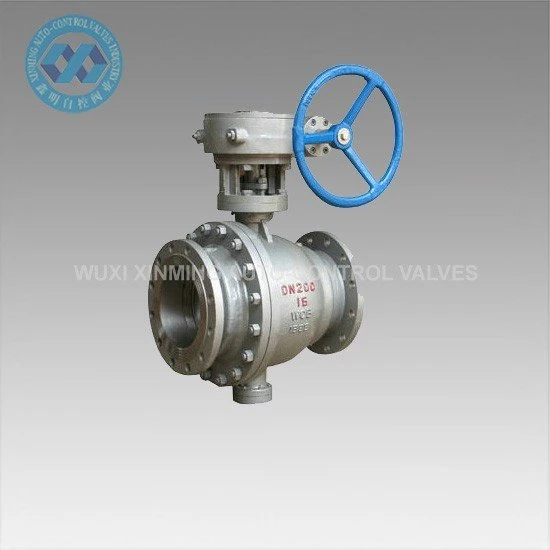
Let's start with how they're put together and installed. A welded ball valve, as the name suggests, is installed by welding it directly into the pipeline. This creates a permanent and leak - tight connection. The welding process ensures that there are no external connections that could potentially leak, which is a huge advantage in high - pressure and high - temperature applications.
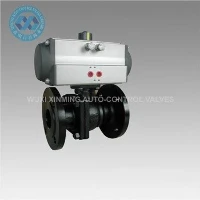
On the other hand, a flanged ball valve is connected to the pipeline using flanges. These flanges are bolted together, allowing for easier installation and removal. If you need to replace or maintain the valve, it's much simpler with a flanged ball valve. You just unbolt the flanges, and you can take the valve out. But this also means that there are more potential leak points at the flange connections.
Performance in Different Environments
When it comes to performance, the two types of valves have their own strengths. Welded ball valves are excellent for harsh environments. Since they have no external joints, they're less likely to be affected by vibration, corrosion, or external forces. They can handle high - pressure and high - temperature fluids without the risk of leakage from the connections. This makes them a top choice for industries like oil and gas, where safety and reliability are of utmost importance.
Flanged ball valves, while not as robust in extremely harsh conditions, are still very versatile. They work well in medium - pressure and medium - temperature applications. They're also a good option when you need to make quick changes or repairs to the pipeline system. For example, in a water treatment plant, where regular maintenance is required, flanged ball valves can be easily removed and replaced.
Cost Considerations
Cost is always an important factor when choosing a valve. Welded ball valves are generally more expensive to install. The welding process requires skilled labor, and the equipment needed for welding can also add to the cost. However, in the long run, they can save you money. Their leak - free design means less maintenance and fewer replacement parts, which can reduce overall operating costs.
Flanged ball valves are usually cheaper to install. The installation process is simpler and doesn't require specialized welding equipment. But you may end up spending more on maintenance over time, especially if the flange connections start to leak.

Applications
Welded ball valves are commonly used in industries where safety and reliability are critical. In the oil and gas industry, they're used in pipelines, refineries, and offshore platforms. They're also used in power plants, where high - pressure steam and hot water need to be controlled.
Flanged ball valves are widely used in water supply systems, HVAC systems, and chemical processing plants. Their ease of installation and maintenance makes them a popular choice in these applications.
Some of Our Products
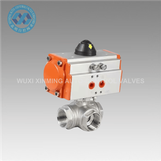
We offer a wide range of welded ball valves to meet different needs. If you're interested in exploring other types of ball valves, you can check out our Tee High Platform Stainless Steel T - L - type Pneumatic Ball Valve. It's a great option for applications that require precise control.
Our Metal - to - metal Ball Valve is another high - quality product. It's designed to withstand high - pressure and high - temperature environments, making it suitable for industries like oil and gas.
And if you're looking for a valve with a pneumatic actuator, our Double Acting Plastic Pneumatic Actuator Ball Valve is a great choice. It offers reliable performance and easy operation.
Conclusion
In conclusion, the choice between a welded ball valve and a flanged ball valve depends on your specific needs. If you're dealing with high - pressure, high - temperature applications and need a leak - free, long - lasting solution, a welded ball valve is the way to go. But if you need a valve that's easy to install and maintain, and you're working in a medium - pressure environment, a flanged ball valve might be a better option.
If you're in the market for a ball valve and want to learn more about our products, feel free to reach out. We're here to help you find the right valve for your application. Whether you have questions about the technical specifications or need advice on which valve to choose, our team of experts is ready to assist you. Let's start a conversation and see how we can meet your valve needs.
References
- Valve Handbook: A Guide to Valve Selection and Application
- Industrial Valve Standards and Best Practices