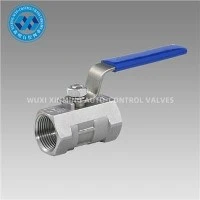
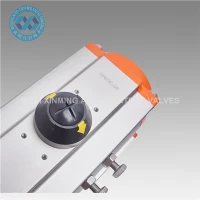
Selecting the appropriate actuator for a flange ball valve is a critical decision that can significantly impact the performance, efficiency, and safety of your industrial processes. As a flange ball valve supplier, we understand the importance of this choice and are here to guide you through the process. In this blog, we'll explore the key factors to consider when choosing an actuator for your flange ball valve, ensuring that you make an informed decision that meets your specific needs.
Understanding the Basics of Flange Ball Valves and Actuators
Before delving into the selection process, it's essential to have a clear understanding of flange ball valves and actuators. A flange ball valve is a type of quarter - turn valve that uses a spherical disc to control the flow of fluid. The valve is connected to the pipeline through flanges, providing a secure and leak - tight connection. Actuators, on the other hand, are devices that automate the operation of the valve. They can be powered by various sources, such as electricity, compressed air, or hydraulic fluid, and are used to open, close, or modulate the valve position.
Types of Actuators
There are several types of actuators available for flange ball valves, each with its own advantages and disadvantages.
Electric Actuators
Electric actuators are popular due to their ease of installation and control. They are powered by electricity and can be programmed to operate at specific times or in response to certain signals. Electric actuators offer precise control and can be used in a wide range of applications, from simple on - off operations to complex modulating control. However, they may not be suitable for applications where a high - speed operation is required or in hazardous environments where electrical sparks could pose a risk.
Pneumatic Actuators
Pneumatic actuators use compressed air to operate the valve. They are known for their fast operation and high torque output, making them ideal for applications where quick opening and closing of the valve are necessary. Pneumatic actuators are also relatively simple in design and require less maintenance compared to electric actuators. However, they require a reliable source of compressed air, which may not be available in all locations.
Hydraulic Actuators
Hydraulic actuators use hydraulic fluid to generate the force needed to operate the valve. They offer high torque and can handle large - scale applications. Hydraulic actuators are often used in heavy - duty industrial applications, such as oil and gas pipelines and power plants. However, they are more complex and expensive to install and maintain compared to electric and pneumatic actuators.
Factors to Consider When Selecting an Actuator
Valve Size and Torque Requirements
The size of the flange ball valve and its torque requirements are crucial factors in actuator selection. The actuator must be able to generate enough torque to open and close the valve smoothly. The torque requirements depend on the valve size, pressure rating, and the type of fluid being handled. As a general rule, larger valves and higher - pressure applications require actuators with higher torque output.
Operating Conditions
The operating conditions of your application, such as temperature, pressure, and the presence of corrosive or hazardous substances, will also influence your actuator choice. For example, in high - temperature applications, you may need an actuator that can withstand extreme heat. In corrosive environments, a stainless - steel or coated actuator may be necessary to prevent corrosion.
Control Requirements
Consider your control requirements when selecting an actuator. Do you need a simple on - off control, or do you require more precise modulating control? Electric actuators are often the best choice for applications that require precise control, as they can be easily integrated with control systems. Pneumatic actuators are suitable for on - off applications and can also be used for basic modulating control.
Safety Requirements
Safety is a top priority in any industrial application. Make sure the actuator you choose meets all relevant safety standards. For example, in hazardous environments, you may need an explosion - proof actuator to prevent the risk of fire or explosion.
Cost
Cost is always a consideration when making a purchasing decision. While electric actuators may be more expensive upfront, they may offer long - term cost savings due to their lower maintenance requirements. Pneumatic actuators are generally more cost - effective, especially for large - scale applications. Hydraulic actuators are the most expensive option but may be necessary for heavy - duty applications.
Our Product Recommendations
As a flange ball valve supplier, we offer a wide range of actuators to meet your specific needs. For applications that require precise control and ease of installation, our electric actuators are an excellent choice. They are available in various sizes and torque ratings to suit different valve sizes.
If you need a fast - acting actuator for on - off applications, our pneumatic actuators are a reliable option. They are designed for high - performance and can handle a wide range of operating conditions.


For heavy - duty applications, our hydraulic actuators provide the high torque and reliability you need. They are built to last and can withstand the toughest industrial environments.
In addition to actuators, we also offer a comprehensive range of flange ball valves, including Sanitary Ball Valve, L - t Stainless Steel Pneumatic Three - way Ball Valve, and 1PC Thread Ball Valve. Our valves are made from high - quality materials and are designed to meet the highest industry standards.
Conclusion
Selecting the appropriate actuator for a flange ball valve is a complex process that requires careful consideration of several factors. By understanding the different types of actuators available, the specific requirements of your application, and the features and benefits of each option, you can make an informed decision that will ensure the optimal performance of your valve system.
If you have any questions or need further assistance in selecting the right actuator for your flange ball valve, please don't hesitate to contact us. Our team of experts is always ready to help you find the best solution for your needs. Whether you're looking for a simple on - off valve system or a complex modulating control system, we have the products and expertise to meet your requirements. Start a conversation with us today to discuss your procurement needs and explore how our products can enhance your industrial processes.
References
- "Valve Handbook" by Milton Beychok. This comprehensive handbook provides in - depth information on various types of valves, including flange ball valves, and their actuators.
- Industry standards and guidelines from organizations such as the American National Standards Institute (ANSI) and the International Organization for Standardization (ISO), which offer valuable information on valve design, performance, and safety requirements.