Fluid compatibility is a crucial aspect when it comes to the selection and application of 110V solenoid valves. As a reputable 110V solenoid valve supplier, we understand the importance of ensuring that these valves are compatible with the fluids they handle. In this blog post, we will delve deep into the concept of fluid compatibility for 110V solenoid valves, exploring the factors that influence it, the types of fluids they can accommodate, and the implications of improper fluid - valve interactions.
Understanding Fluid Compatibility
Fluid compatibility refers to the ability of a solenoid valve to function effectively and safely when in contact with a particular fluid. This compatibility is determined by the chemical and physical properties of both the fluid and the valve materials. When a solenoid valve is compatible with a fluid, it can maintain its structural integrity, sealing performance, and operational efficiency over an extended period.
The materials used in the construction of a 110V solenoid valve play a critical role in determining its fluid compatibility. Common materials include brass, stainless steel, plastic, and various elastomers. Brass is often used for its good corrosion resistance and machinability. Stainless steel, on the other hand, offers excellent resistance to corrosion, especially in harsh chemical environments. Plastic materials like PVC or PTFE are lightweight and can be suitable for certain non - aggressive fluids. Elastomers are used for seals and diaphragms, and their compatibility with fluids is crucial to prevent leakage.

Factors Influencing Fluid Compatibility
Chemical Composition of the Fluid
The chemical nature of the fluid is one of the most significant factors. Acids, bases, solvents, and other chemicals can react with the valve materials. For example, strong acids can corrode brass and some types of stainless steel, while solvents can swell or dissolve certain elastomers. Oxidizing agents can also cause degradation of valve components over time.
Temperature
Temperature affects both the fluid and the valve materials. High temperatures can accelerate chemical reactions between the fluid and the valve, increasing the rate of corrosion or degradation. Some elastomers may lose their elasticity at high temperatures, leading to seal failure. Conversely, low temperatures can make some materials brittle, reducing their impact resistance and flexibility.
Pressure
Pressure can influence the mechanical stress on the valve components. High - pressure applications may require stronger valve materials and better sealing mechanisms. If the valve is not designed to withstand the pressure of the fluid, it can lead to leaks or even structural failure.
Types of Fluids and Compatibility
Water
Water is one of the most commonly handled fluids. Most 110V solenoid valves made of brass or stainless steel are compatible with clean water. However, if the water contains impurities such as chlorine, minerals, or other chemicals, special considerations may be needed. For example, high levels of chlorine can cause corrosion in brass valves, so stainless - steel valves may be a better choice in such cases.
Air
Air is generally non - corrosive and is well - suited for most solenoid valves. Pneumatic solenoid valves, like the Durable Pneumatic Solenoid Valve, are specifically designed to handle air. These valves are often used in industrial automation, where they control the flow of compressed air to actuate cylinders and other pneumatic devices.
Oil
Oils can vary widely in their chemical composition, from mineral oils to synthetic oils. Mineral oils are generally less aggressive than some synthetic oils. Valves used with oil need to have seals and materials that are resistant to oil swelling and degradation. Some elastomers, such as nitrile rubber, are commonly used for oil - compatible seals.
Chemicals
Handling chemicals requires careful consideration of fluid compatibility. For aggressive chemicals, valves made of high - performance materials like PTFE - lined stainless steel may be necessary. For example, in the chemical processing industry, 2 - way 5 - port High - pressure Pneumatic Solenoid Valve (0 - 10MPa) may be used to control the flow of chemicals at high pressures.
Implications of Improper Fluid Compatibility
Using a 110V solenoid valve that is not compatible with the fluid can have several negative consequences. Corrosion of valve components can lead to leaks, which can be a safety hazard, especially in applications involving toxic or flammable fluids. Leaks can also result in product loss and environmental contamination.
Seal failure due to fluid - elastomer incompatibility can cause loss of pressure control and reduced efficiency of the system. In some cases, valve malfunction can lead to production downtime, which can be costly for industrial operations.
Selecting the Right 110V Solenoid Valve for Fluid Compatibility
When selecting a 110V solenoid valve, it is essential to consider the specific requirements of the fluid. Start by identifying the chemical composition, temperature, and pressure of the fluid. Consult the valve manufacturer's compatibility charts, which provide information on the suitability of different valve materials for various fluids.
If you are unsure about the fluid compatibility, it may be advisable to conduct a small - scale test. This can involve exposing a sample of the valve material to the fluid under the expected operating conditions for a period of time and monitoring for any signs of degradation.
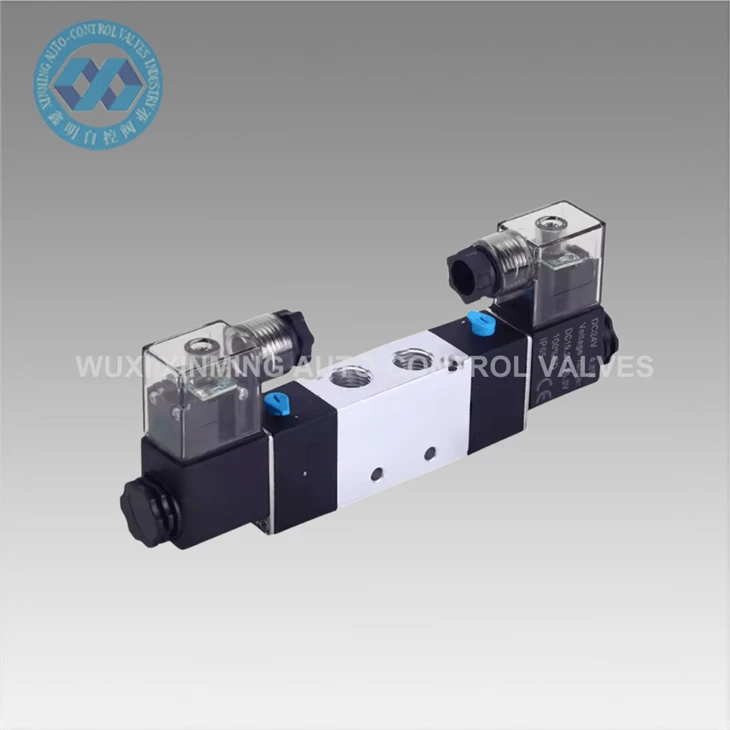
As a 110V solenoid valve supplier, we offer a wide range of valves with different materials and configurations to meet various fluid compatibility requirements. Our High - Performance Two - Position Five - Way Pneumatic Solenoid Valve With Electric Coil is designed to provide reliable performance in different fluid applications.
Conclusion
Fluid compatibility is a fundamental consideration when using 110V solenoid valves. By understanding the factors that influence compatibility, the types of fluids that can be handled, and the implications of improper compatibility, users can make informed decisions when selecting and using these valves.
If you are in the market for 110V solenoid valves and need assistance in choosing the right valve for your specific fluid application, we are here to help. Our team of experts can provide detailed information and guidance to ensure that you get a valve that is perfectly compatible with your fluid. Contact us today to start the procurement process and discuss your requirements.
References
- ASM International. (2004). Corrosion Basics: An Introduction.
- Parker Hannifin Corporation. (2019). Fluid Compatibility Guide for Sealing Materials.