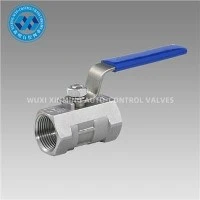
In the realm of fluid control systems, thin ball valves play a pivotal role. These valves are widely used across various industries due to their compact design, efficient operation, and reliable performance. One of the key components of a thin ball valve is the stem, which serves several crucial functions. As a leading supplier of thin ball valves, I am excited to delve into the functions of the stem in a thin ball valve and explore its significance in the overall operation of the valve.
1. Transmission of Torque
The primary function of the stem in a thin ball valve is to transmit torque from the actuator to the ball. The actuator, which can be manual, electric, or pneumatic, provides the force required to rotate the ball within the valve body. The stem acts as a mechanical link between the actuator and the ball, ensuring that the rotational motion is transferred accurately and efficiently.
When the actuator is activated, it applies a torque to the stem. This torque causes the stem to rotate, which in turn rotates the ball inside the valve. The ball has a bore through its center, and by rotating the ball, the bore can be aligned with the flow path of the fluid, allowing the fluid to pass through the valve. Conversely, when the ball is rotated to a position where the bore is perpendicular to the flow path, the valve is closed, and the fluid flow is stopped.
The design of the stem is crucial for ensuring smooth and reliable torque transmission. It must be strong enough to withstand the forces exerted by the actuator without bending or breaking. Additionally, the stem should have a proper fit with the ball and the actuator to minimize any play or backlash, which could affect the accuracy of the valve operation.
2. Sealing and Isolation
Another important function of the stem is to provide a seal between the ball and the valve body. The stem passes through a packing gland, which contains a sealing material such as graphite or PTFE. The packing gland is tightened to compress the sealing material against the stem, creating a tight seal that prevents fluid from leaking out of the valve.
In addition to the packing gland, the stem also has a seal at the top, where it connects to the actuator. This seal helps to prevent contaminants from entering the valve and ensures that the actuator operates smoothly. The quality of the seals on the stem is essential for maintaining the integrity of the valve and preventing leaks, which can be costly and potentially dangerous in industrial applications.
The stem also plays a role in isolating the ball from the external environment. By providing a sealed connection between the ball and the actuator, the stem helps to protect the ball from corrosion, wear, and damage. This is particularly important in applications where the fluid being controlled is corrosive or abrasive.
3. Position Indication
The stem can also serve as a means of indicating the position of the ball within the valve. In many thin ball valves, the stem has a visible indicator, such as a pointer or a position marker, that shows whether the valve is open or closed. This allows operators to quickly and easily determine the status of the valve without having to physically inspect the valve body.
Position indication is important for ensuring the proper operation of the valve and for maintaining safety in industrial processes. By providing a clear visual indication of the valve position, operators can avoid accidentally opening or closing the valve, which could lead to system malfunctions or safety hazards.
4. Compatibility with Different Actuators
As a thin ball valve supplier, we understand the importance of compatibility between the stem and different types of actuators. The stem must be designed to work seamlessly with various actuators, including manual, electric, and pneumatic actuators.
Manual actuators are the simplest type of actuator and are typically used for small valves or in applications where the valve is operated infrequently. The stem for a manual actuator is usually designed with a handle or a lever that can be turned by hand to open or close the valve.
Electric actuators are more commonly used in industrial applications where precise control and automation are required. The stem for an electric actuator must be compatible with the motor and gearbox of the actuator, and it must be able to transmit the torque generated by the motor to the ball.
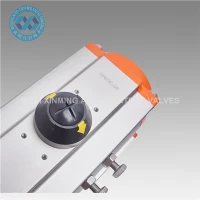
Pneumatic actuators use compressed air to operate the valve. The stem for a pneumatic actuator must be designed to work with the pneumatic cylinder and the control system of the actuator. It must be able to withstand the forces exerted by the compressed air and ensure smooth and reliable operation of the valve.
5. Durability and Longevity
The stem in a thin ball valve is subjected to significant stress and wear during operation. Therefore, it is essential that the stem is made of high-quality materials and is designed to be durable and long-lasting.
Common materials used for stems include stainless steel, carbon steel, and alloy steel. These materials offer excellent strength, corrosion resistance, and wear resistance, making them suitable for use in a wide range of applications.
In addition to the material, the design of the stem also plays a crucial role in its durability. The stem should be designed with proper dimensions and tolerances to ensure a tight fit with the ball and the actuator. It should also be heat-treated or coated to improve its hardness and wear resistance.
Conclusion
In conclusion, the stem in a thin ball valve serves several important functions, including torque transmission, sealing and isolation, position indication, compatibility with different actuators, and durability. As a thin ball valve supplier, we take pride in providing high-quality valves with stems that are designed to meet the specific requirements of our customers.
If you are in the market for thin ball valves or other types of valves, we invite you to explore our product range. We offer a wide variety of Electrical Ball Valve, L-t Stainless Steel Pneumatic Three-way Ball Valve, and Segment Control Valve With Pneumatic Actuator to suit different applications and industries. Our valves are manufactured to the highest standards of quality and performance, and we are committed to providing excellent customer service.
If you have any questions or would like to discuss your valve requirements, please do not hesitate to contact us. We look forward to the opportunity to work with you and provide you with the best valve solutions for your needs.