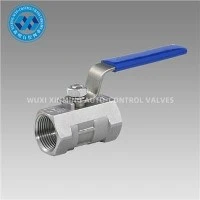
As a supplier of 220V solenoid valves, I often receive inquiries about the magnetic field strength of these valves. Understanding the magnetic field strength is crucial for both engineers and end - users, as it directly impacts the performance and functionality of the solenoid valve. In this blog post, I will delve into the topic of the magnetic field strength of 220V solenoid valves, exploring its significance, factors affecting it, and how it relates to the overall performance of the valve.
What is a Solenoid Valve?
Before we dive into the magnetic field strength, let's briefly understand what a solenoid valve is. A solenoid valve is an electromechanical device that controls the flow of liquids or gases. It consists of a coil (solenoid) and a valve body. When an electrical current is applied to the coil, it creates a magnetic field. This magnetic field then moves a plunger or a disc within the valve body, either opening or closing the valve to allow or stop the flow of the medium.
Importance of Magnetic Field Strength
The magnetic field strength of a 220V solenoid valve plays a vital role in its operation. It determines the force with which the plunger or disc can be moved. A stronger magnetic field means that the valve can open and close more quickly and can handle higher pressures. For example, in industrial applications where large volumes of fluid need to be controlled rapidly, a solenoid valve with a high magnetic field strength is essential. It ensures reliable and efficient operation, reducing the risk of valve failure and downtime.
Factors Affecting Magnetic Field Strength
Several factors can affect the magnetic field strength of a 220V solenoid valve.
Number of Turns in the Coil
The number of turns in the solenoid coil is directly proportional to the magnetic field strength. A coil with more turns will produce a stronger magnetic field when the same current is applied. This is because each turn of the coil contributes to the overall magnetic field. Manufacturers can increase the number of turns to enhance the valve's performance, but this also increases the resistance of the coil, which may require more power to operate.
Current Flow
The amount of current flowing through the coil is another critical factor. According to Ampere's law, the magnetic field strength is directly proportional to the current. A 220V solenoid valve is designed to operate at a specific voltage, and the current flowing through the coil depends on the coil's resistance. Higher current will result in a stronger magnetic field, but it also generates more heat. Therefore, there is a balance between achieving a high magnetic field strength and managing the heat generated.
Core Material
The core material inside the solenoid also affects the magnetic field strength. Soft magnetic materials, such as iron or steel, are commonly used as cores because they can be easily magnetized and demagnetized. These materials enhance the magnetic field by providing a path for the magnetic flux. The quality and properties of the core material, such as its permeability, can significantly impact the overall magnetic field strength of the solenoid valve.
Measuring Magnetic Field Strength
The magnetic field strength of a solenoid valve can be measured using a gaussmeter. A gaussmeter is a device that measures the magnetic field in units of gauss or tesla. To measure the magnetic field strength of a 220V solenoid valve, the gaussmeter is placed near the solenoid coil when the valve is energized. The reading on the gaussmeter indicates the strength of the magnetic field at that point.
However, it's important to note that the magnetic field strength can vary depending on the location around the solenoid. The field is strongest at the center of the coil and decreases as you move away from it. Therefore, multiple measurements may be required to get an accurate understanding of the overall magnetic field distribution.
Relationship between Magnetic Field Strength and Valve Performance
The magnetic field strength directly influences the performance of a 220V solenoid valve in several ways.
Response Time
A stronger magnetic field allows the plunger or disc to move more quickly, reducing the response time of the valve. In applications where rapid opening and closing of the valve are required, such as in automated control systems, a solenoid valve with a high magnetic field strength can provide better performance.
Pressure Handling
The magnetic field strength also determines the valve's ability to handle high pressures. A stronger magnetic field can generate a greater force to overcome the pressure of the fluid or gas inside the valve. This is particularly important in industrial applications where high - pressure fluids need to be controlled.
Sealing Performance
Adequate magnetic field strength ensures proper sealing of the valve. When the valve is closed, the magnetic force holds the plunger or disc tightly against the valve seat, preventing leakage. A weak magnetic field may result in poor sealing, leading to fluid or gas leakage and reduced efficiency.
Our Product Range
At our company, we offer a wide range of 220V solenoid valves with different magnetic field strengths to meet various application requirements. Our [Durable Pneumatic Solenoid Valve](/solenoid - valve/durable - pneumatic - solenoid - valve.html) is designed for long - term use in pneumatic systems. It features a high - quality coil and core material, ensuring a strong magnetic field and reliable performance.
For applications that demand high performance, our [High Performance Pneumatic Actuator Solenoid Valve](/solenoid - valve/high - performance - pneumatic - actuator - solenoid1.html) is an excellent choice. It is engineered to provide fast response times and can handle high pressures, thanks to its optimized magnetic field design.
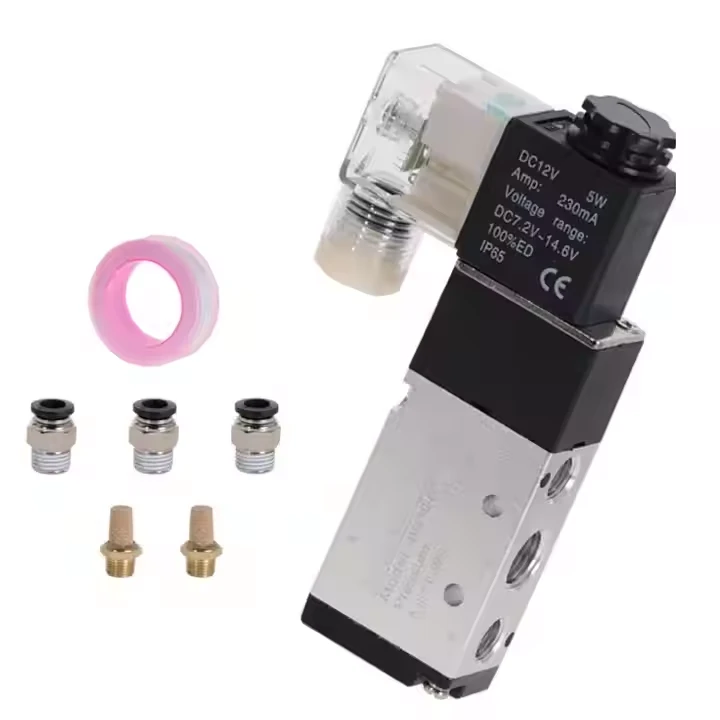

If you need a versatile valve for controlling air or gas, our [Pneumatic Electric Solenoid Valve 5 - way 2 - position Control Air Gas Magnetic 12V 24V 220V](/solenoid - valve/pneumatic - electric - solenoid - valve - 5 - way - 2.html) is available in multiple voltage options, including 220V. It offers precise control and efficient operation, making it suitable for a wide range of industrial and commercial applications.
Conclusion
In conclusion, the magnetic field strength of a 220V solenoid valve is a critical parameter that affects its performance, response time, pressure handling, and sealing ability. Understanding the factors that influence magnetic field strength, such as the number of turns in the coil, current flow, and core material, can help in selecting the right solenoid valve for your specific application.
If you are in the market for a high - quality 220V solenoid valve, we invite you to explore our product range. Our team of experts is ready to assist you in choosing the most suitable valve for your needs. Feel free to contact us for more information or to start a procurement discussion. We look forward to working with you to meet your solenoid valve requirements.
References
- Electromagnetic Fields and Waves, John David Kraus
- Industrial Solenoid Valve Handbook, Various Authors