

Hey there! As a supplier of limit switch boxes, I often get asked about the maintenance cycle of these nifty devices. So, I thought I'd sit down and write a blog post to share my insights on this topic.
First off, let's quickly go over what a limit switch box is. It's a crucial component in many industrial applications, used to detect the presence or absence of an object, or to monitor the position, count, or travel of a moving part. Limit switch boxes are found in all sorts of machinery, from conveyor belts and elevators to manufacturing equipment and automated systems.
Now, onto the main question: what's the maintenance cycle of a limit switch box? Well, the answer isn't one - size - fits - all. It depends on several factors, such as the type of limit switch box, the environment it's operating in, and the frequency of use.
Factors Affecting the Maintenance Cycle
1. Type of Limit Switch Box
There are different types of limit switch boxes, each with its own set of characteristics. For example, the ISO 5211 Mechanical Limit Switch For Pneumatic Valves is designed specifically for use with pneumatic valves. These switches typically have a relatively simple mechanical design, but they still need regular checks to ensure the contacts are clean and the mechanical components are functioning properly.
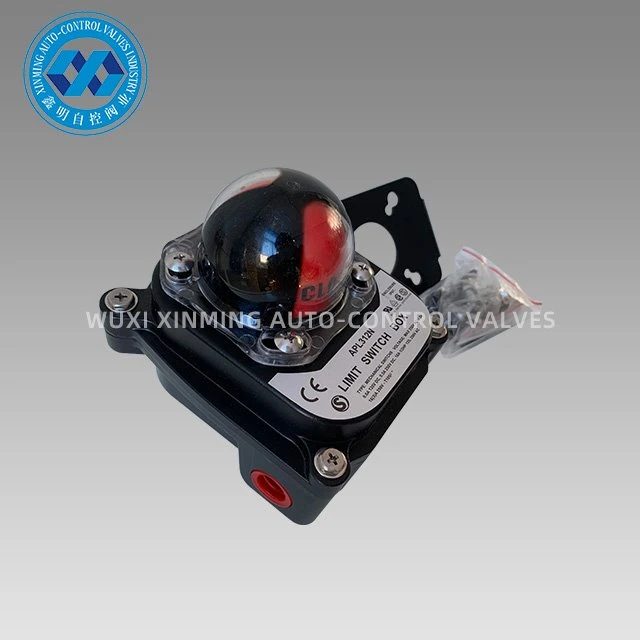
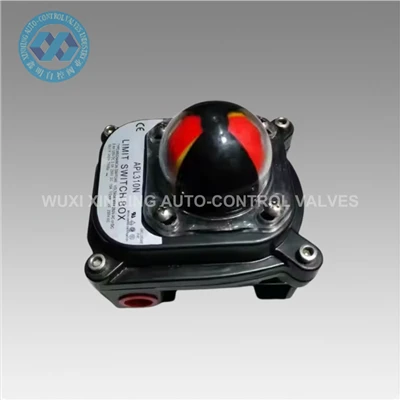
On the other hand, more advanced limit switch boxes like the APL210 Limit Switch Box and the APL312 Limit Switch Box might have additional features such as electronic sensors or programmable settings. These types of switch boxes may require more in - depth maintenance, including software updates and calibration.
2. Operating Environment
The environment in which the limit switch box is installed plays a huge role in determining its maintenance cycle. If the switch box is located in a clean, dry, and temperature - controlled environment, it will generally require less frequent maintenance. However, if it's exposed to harsh conditions such as dust, moisture, extreme temperatures, or corrosive chemicals, the maintenance schedule needs to be more frequent.
For instance, in a mining or construction site, where there's a lot of dust and debris, the limit switch box may get clogged, which can affect its performance. In such cases, you might need to clean the switch box every few weeks or even days, depending on the level of contamination.
3. Frequency of Use
How often the limit switch box is used also impacts its maintenance needs. A switch box that's used continuously in a high - speed production line will experience more wear and tear compared to one that's used only occasionally. For high - usage applications, it's advisable to have a more frequent maintenance schedule, perhaps monthly or quarterly, to catch any potential issues before they turn into major problems.
General Maintenance Cycle Guidelines
Based on my experience as a supplier, here are some general guidelines for the maintenance cycle of limit switch boxes:
Visual Inspection
A visual inspection should be done regularly, at least once a month for most applications. Check for any signs of physical damage, such as cracks in the housing, loose wires, or bent components. Also, look for signs of corrosion or dirt buildup on the contacts.
Cleaning
If the limit switch box is in a dirty environment, it should be cleaned more frequently. For normal operating conditions, a thorough cleaning every three to six months is usually sufficient. Use a clean, dry cloth to wipe away any dust or debris. For stubborn dirt, you can use a mild cleaning solution, but make sure to dry the switch box completely afterward.
Contact Check
The contacts in a limit switch box are crucial for its proper functioning. Over time, they can become worn or dirty, which can lead to poor electrical conductivity. Check the contacts every six months to a year, depending on the usage. You can use a multimeter to test the continuity of the contacts. If the contacts are worn beyond a certain point, they may need to be replaced.
Calibration
For limit switch boxes with electronic sensors or programmable settings, calibration is an important part of maintenance. Depending on the type of switch box, calibration may be required annually or every few years. Calibration ensures that the switch box is accurately detecting the position or presence of objects.
Importance of Regular Maintenance
Regular maintenance of limit switch boxes is not just about keeping the equipment running smoothly; it also has several other benefits.
Safety
A malfunctioning limit switch box can pose a serious safety risk. For example, in an elevator, a faulty limit switch could cause the elevator to overshoot its stops, leading to potential accidents. By performing regular maintenance, you can ensure that the limit switch boxes are functioning correctly and help prevent safety hazards.
Cost Savings
Preventive maintenance is much cheaper than reactive maintenance. By catching and fixing small issues early, you can avoid costly breakdowns and repairs. A well - maintained limit switch box will also have a longer lifespan, which means you won't have to replace it as often.
Productivity
In an industrial setting, downtime due to equipment failure can be extremely costly. Regular maintenance helps to minimize the risk of unexpected breakdowns, ensuring that your machinery and systems are up and running as much as possible. This, in turn, boosts productivity and keeps your operations running smoothly.
Conclusion
So, as you can see, the maintenance cycle of a limit switch box depends on various factors. But by following the general guidelines I've outlined above and taking into account the specific conditions of your application, you can ensure that your limit switch boxes are well - maintained and performing at their best.
If you're in the market for high - quality limit switch boxes or have any questions about maintenance, feel free to reach out to me. I'm always happy to help you find the right solution for your needs and discuss the best maintenance practices for your equipment. Let's work together to keep your industrial operations running safely and efficiently!
References
- Industry standards and best practices for limit switch box maintenance
- Manufacturer's manuals for ISO 5211 Mechanical Limit Switch For Pneumatic Valves, APL210 Limit Switch Box, and APL312 Limit Switch Box




