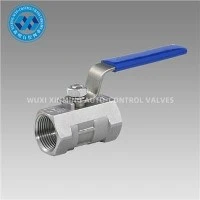
Hey there! As a supplier of flange ball valves, I often get asked about the maximum flow rate these valves can handle. It's a crucial question, especially for those in industries where precise fluid control is a must. So, let's dive right into it and explore what determines the maximum flow rate of a flange ball valve.
First off, what exactly is a flange ball valve? Well, it's a type of valve that uses a ball with a hole in the middle to control the flow of fluid. When the ball is turned so that the hole aligns with the flow path, fluid can pass through freely. When it's turned 90 degrees, the solid part of the ball blocks the flow. Flange ball valves are known for their durability, reliability, and tight shut - off capabilities, which is why they're widely used in various industries like oil and gas, chemical processing, and water treatment.
Now, let's talk about the factors that influence the maximum flow rate of a flange ball valve.
Valve Size
The size of the valve is one of the most obvious factors. Generally speaking, the larger the valve size, the higher the maximum flow rate. A bigger valve has a larger opening, allowing more fluid to pass through at once. For example, a 6 - inch flange ball valve can handle a significantly higher flow rate than a 2 - inch one. When you're choosing a valve for your application, you need to consider the required flow rate and select a valve size accordingly.
Ball Port Size
The size of the ball port also plays a huge role. There are different types of ball ports, such as full port and reduced port. A full - port ball valve has a ball port that is the same size as the pipe ID (inside diameter). This means there's minimal restriction to the flow, resulting in a higher maximum flow rate. On the other hand, a reduced - port ball valve has a smaller ball port, which restricts the flow to some extent. So, if you need a high flow rate, a full - port flange ball valve is the way to go.
Fluid Properties
The properties of the fluid being transported are equally important. Viscosity, density, and temperature all affect the flow rate. For instance, a highly viscous fluid like honey will flow more slowly through a valve than a low - viscosity fluid like water. Similarly, a denser fluid will require more energy to flow through the valve. Temperature can also impact the fluid's viscosity and density, so it's essential to consider the operating temperature when determining the maximum flow rate.
Pressure Drop
Pressure drop is another critical factor. As fluid flows through a valve, there's a drop in pressure due to friction and other resistances. A valve with a high pressure drop will limit the flow rate. To minimize pressure drop, you need to choose a valve with a smooth internal surface and an appropriate design. A well - designed flange ball valve can help maintain a high flow rate while keeping the pressure drop within acceptable limits.
Valve Material and Design
The material and design of the valve can influence the flow rate as well. A valve made from a smooth - surfaced material will have less friction, allowing the fluid to flow more easily. Additionally, the internal design of the valve, such as the shape of the ball and the seat, can affect the flow characteristics. Some advanced valve designs are optimized for high - flow applications, reducing turbulence and improving the overall flow efficiency.
Calculating the Maximum Flow Rate
Calculating the maximum flow rate of a flange ball valve isn't always straightforward. There are several equations and methods available, but they often require detailed information about the valve, the fluid, and the system. One common method is to use the valve's Cv (flow coefficient) value. The Cv value represents the number of gallons per minute (GPM) of water at 60°F that will flow through the valve with a pressure drop of 1 psi. You can use the Cv value to calculate the flow rate for different fluids and pressure drops using specific formulas.
Our Product Range
At our company, we offer a wide range of flange ball valves to meet different flow rate requirements. For instance, our Pneumatic Actuator WCB Flange Ball Valve is a great choice for applications that require automated control and high flow rates. It's made from high - quality WCB material, ensuring durability and reliability.
If you're dealing with abrasive or corrosive fluids, our Ceramic Ball Valve is an excellent option. The ceramic material provides excellent resistance to wear and corrosion, while still maintaining a good flow rate.
And for applications that require multi - way flow control, our Pneumatic Actuator Tri - clamp Three Way Ball Valve is a top - notch choice. It allows for precise control of fluid flow in different directions, with a relatively high flow rate.
Conclusion
In conclusion, the maximum flow rate that a flange ball valve can handle depends on several factors, including valve size, ball port size, fluid properties, pressure drop, and valve design. By carefully considering these factors and choosing the right valve for your application, you can ensure optimal flow control and efficiency.
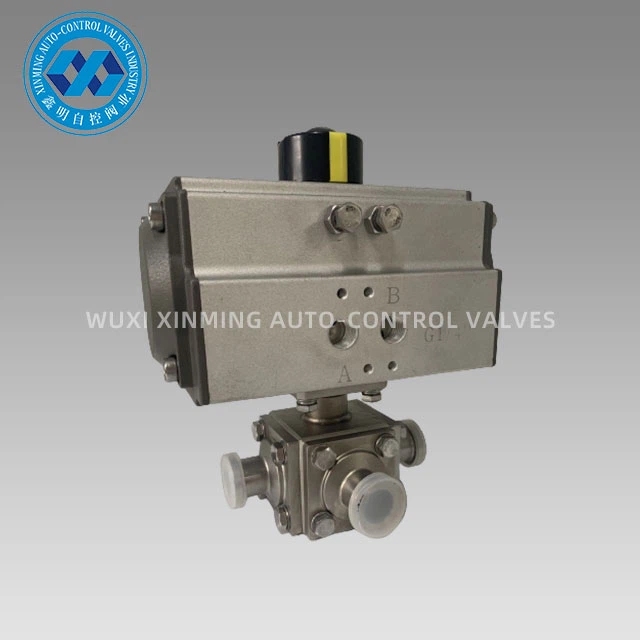

If you're in the market for a flange ball valve and need help determining the right one for your specific flow rate requirements, don't hesitate to reach out. We're here to assist you in finding the perfect valve solution for your needs. Whether you're a small - scale operation or a large industrial facility, we have the expertise and products to meet your demands. Contact us today to start the procurement process and get the best flange ball valve for your application.
References
- Crane Technical Paper No. 410, "Flow of Fluids Through Valves, Fittings, and Pipe"
- Perry's Chemical Engineers' Handbook