Hey there! As a supplier of PVC ball valves, I often get asked about the maximum temperature these valves can withstand. It's a crucial question, especially when you're trying to figure out if a PVC ball valve is the right fit for your project. So, let's dive right in and explore this topic in detail.
First off, PVC, or polyvinyl chloride, is a widely used plastic material known for its affordability, durability, and chemical resistance. PVC ball valves are commonly used in various industries, including water treatment, irrigation, and chemical processing. But when it comes to temperature, PVC has its limitations.
The maximum temperature a PVC ball valve can handle typically ranges from 130°F (54°C) to 140°F (60°C). This is because PVC starts to soften and lose its structural integrity as the temperature rises above this range. When PVC softens, the valve may not seal properly, leading to leaks and potential system failures. It's important to note that this temperature limit can vary depending on the specific formulation of the PVC used in the valve and the design of the valve itself.
There are a few factors that can affect the temperature resistance of a PVC ball valve. One of the main factors is the type of PVC resin used. Different grades of PVC have different heat deflection temperatures (HDT), which is the temperature at which the material starts to deform under a specific load. Valves made from higher-grade PVC resins generally have a higher HDT and can withstand higher temperatures.


Another factor is the wall thickness of the valve. Thicker walls can provide better insulation and help the valve maintain its shape at higher temperatures. Additionally, the design of the valve, including the type of seals and gaskets used, can also impact its temperature resistance. For example, valves with high-temperature seals may be able to handle slightly higher temperatures than those with standard seals.
So, what happens if you exceed the maximum temperature of a PVC ball valve? Well, as I mentioned earlier, the valve may start to soften and lose its ability to seal properly. This can result in leaks, which can be a major problem, especially in applications where the fluid being controlled is hazardous or expensive. In extreme cases, the valve may even fail completely, leading to system downtime and potentially costly repairs.
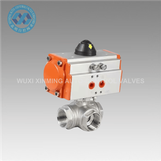
If you need a valve that can handle higher temperatures, there are other options available. For example, Pneumatic threaded ball valve are often made from materials like stainless steel or brass, which have much higher temperature resistance than PVC. These valves are suitable for applications where the temperature exceeds the limits of PVC.
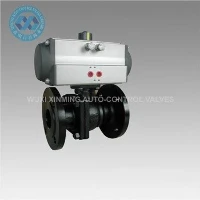
Flange Ball Valve are another option for high-temperature applications. These valves are typically used in larger pipelines and can be made from a variety of materials, including stainless steel, carbon steel, and alloy steel. Flange ball valves are known for their durability and reliability, making them a popular choice for industrial applications.
If you need a valve that can handle complex flow control requirements, a 3 Way Ball Valve With Pneumatic Actuator may be the right choice. These valves allow for the diversion or mixing of fluids and can be automated using a pneumatic actuator. They are commonly used in applications such as chemical processing, food and beverage production, and pharmaceutical manufacturing.
When selecting a valve for your application, it's important to consider not only the temperature requirements but also other factors such as pressure, flow rate, and the type of fluid being controlled. It's also a good idea to consult with a valve expert or supplier to ensure you choose the right valve for your specific needs.
As a PVC ball valve supplier, I understand the importance of providing high-quality products that meet the needs of my customers. That's why I offer a wide range of PVC ball valves in different sizes, configurations, and temperature ratings. Whether you need a simple on/off valve or a more complex multi-way valve, I can help you find the right solution.
If you're interested in learning more about our PVC ball valves or have any questions about temperature resistance or other valve-related topics, please don't hesitate to get in touch. I'd be happy to discuss your requirements and provide you with a quote. You can reach out to me through the contact form on my website, and I'll get back to you as soon as possible.
In conclusion, the maximum temperature a PVC ball valve can withstand is typically between 130°F (54°C) and 140°F (60°C). While PVC ball valves are a cost-effective and reliable option for many applications, they may not be suitable for high-temperature environments. If you need a valve that can handle higher temperatures, there are other options available, such as pneumatic threaded ball valves, flange ball valves, and 3-way ball valves with pneumatic actuators. By considering your specific requirements and consulting with a valve expert, you can choose the right valve for your project and ensure optimal performance and reliability.
References
- "Plastic Pipes and Fittings: A Guide to Their Selection and Use." British Plastics Federation.
- "Valve Handbook." Valve Manufacturers Association of America.