Hey there! As a supplier of ceramic ball valves, I often get asked about the noise level when these valves are in operation. It's a crucial aspect, especially for industries where noise pollution can be a big deal. So, let's dive right into it and explore what the noise level of a ceramic ball valve during operation is all about.
First off, what makes ceramic ball valves unique? Well, ceramic is known for its hardness, wear - resistance, and chemical stability. These properties make ceramic ball valves a top choice in many industries, such as chemical processing, mining, and power generation. But how do these features relate to the noise level?
When a valve is operating, the noise it generates can come from various sources. One of the main factors is the flow of fluid through the valve. As the fluid passes through the valve opening, it can create turbulence, which in turn produces noise. The design of the valve also plays a huge role. A well - designed ceramic ball valve is engineered to minimize this turbulence.
The smooth surface of the ceramic ball is a game - changer. It allows the fluid to flow more evenly compared to valves made of other materials. This even flow reduces the chances of creating large eddies and vortices that are major contributors to noise. For example, in a high - pressure system, a poorly designed valve can cause the fluid to suddenly change direction or speed, resulting in a significant amount of noise. But a ceramic ball valve with its precise ball and seat design can maintain a more stable flow, thus keeping the noise level down.
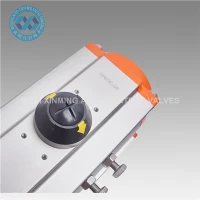
Another factor that affects the noise level is the type of actuator used with the ceramic ball valve. There are different types of actuators, such as pneumatic, electric, and hydraulic. Pneumatic actuators are quite common, and they can influence the noise output. When a pneumatic actuator operates, it uses compressed air to move the valve. The release and movement of this compressed air can generate some noise. However, modern pneumatic actuators are designed to be more quiet.
Let's talk about some real - world scenarios. In a chemical plant, where there are multiple valves working simultaneously, the noise level can quickly add up. If these valves are not properly selected or maintained, the overall noise in the plant can reach levels that are not only annoying but also pose a risk to the health of the workers. A ceramic ball valve can be a great solution here. Its low - noise operation helps in creating a more comfortable and safer working environment.
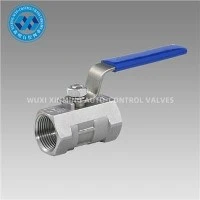
Now, let's look at some of the products we offer. We have the Pneumatic 3PC Stainless Steel Ball Valve. This valve combines the durability of stainless steel with the low - noise operation of a well - designed ceramic ball. The pneumatic actuator is designed to be efficient and relatively quiet, making it suitable for applications where noise is a concern.
Our Segment Control Valve With Pneumatic Actuator is another great option. The segment design allows for precise control of the fluid flow, and the pneumatic actuator ensures smooth operation. This combination results in a valve that operates with minimal noise, even in demanding control applications.


And then there's the Three Stage Pneumatic Rotary Actuator Ball Valve Made in China. This valve is engineered to handle high - pressure and high - flow applications. Despite its powerful performance, it is designed to keep the noise level under control. The three - stage pneumatic rotary actuator provides a smooth and stable movement, reducing the chances of sudden jerks or vibrations that can create noise.
The noise level of a ceramic ball valve also depends on its installation. If the valve is not installed correctly, it can cause misalignment, which can lead to increased noise. For example, if the valve is not properly seated or if the pipes connected to it are not in line, the fluid flow can be disrupted, and noise can increase. So, it's crucial to have a professional install the ceramic ball valve to ensure optimal performance and low noise.
Maintenance is another key factor. Over time, wear and tear can affect the performance of the valve and increase the noise level. Regular maintenance, such as checking the seals, lubricating the moving parts, and inspecting the ceramic ball for any damage, can help keep the noise in check. A well - maintained ceramic ball valve will continue to operate quietly and efficiently for a long time.
In conclusion, the noise level of a ceramic ball valve during operation is generally quite low when compared to other types of valves. Thanks to the unique properties of ceramic and the advanced design of these valves, they are able to minimize the noise generated by fluid flow and actuator operation. Whether you're in a chemical plant, a power station, or any other industry that requires reliable and quiet valve operation, a ceramic ball valve is a great choice.
If you're interested in learning more about our ceramic ball valves or are looking to make a purchase, we'd love to have a chat with you. We can discuss your specific requirements and help you find the perfect valve for your application. Reach out to us for a detailed quote and let's start a great business partnership!
References
- Valve Handbook, 4th Edition by J. Paul Tullis
- Industrial Valve Technology by Peter A. Schweitzer