In the realm of industrial automation and machinery, pneumatic actuator systems play a pivotal role. As a dedicated pneumatic actuator supplier, I've witnessed firsthand the critical importance of every component within these systems. One such component that often goes unnoticed but is indispensable is the filter. In this blog, I'll delve into the role of a filter in a pneumatic actuator system, exploring its functions, benefits, and why it's a must - have for optimal system performance.
The Basics of Pneumatic Actuator Systems
Before we jump into the role of filters, let's briefly understand what a pneumatic actuator system is. Pneumatic actuators are devices that convert compressed air energy into mechanical motion. They are widely used in various industries, including manufacturing, automotive, and food processing, due to their simplicity, reliability, and cost - effectiveness. A typical pneumatic actuator system consists of an air compressor, valves, pipes, and the actuator itself. Compressed air is supplied to the actuator, which then moves a piston or a diaphragm, generating linear or rotary motion.
The Role of Filters in Pneumatic Actuator Systems
1. Removing Particulate Matter
One of the primary functions of a filter in a pneumatic actuator system is to remove particulate matter from the compressed air. Compressed air often contains dust, dirt, rust, and other solid particles. These particles can cause significant damage to the pneumatic actuator and other components in the system. For example, if these particles enter the actuator's piston or valve, they can cause abrasion, leading to increased wear and tear. This, in turn, can reduce the actuator's lifespan and performance. A high - quality filter can trap these particles, preventing them from reaching the actuator and ensuring smooth operation.
2. Eliminating Moisture
Moisture is another common problem in pneumatic actuator systems. Compressed air usually contains water vapor, which can condense into liquid water as the air cools. This moisture can cause corrosion within the actuator and other system components. Corrosion can weaken the metal parts, leading to leaks and malfunctions. Filters with moisture - separating capabilities can remove the water vapor from the compressed air, protecting the system from the damaging effects of moisture. Some advanced filters use coalescing technology to combine small water droplets into larger ones, which can then be easily drained out of the system.
3. Filtering Oil and Lubricants
In some pneumatic actuator systems, oil and lubricants are used to reduce friction and ensure smooth operation. However, if these oils and lubricants are not properly filtered, they can contaminate the compressed air and cause problems. For instance, excessive oil in the compressed air can coat the actuator's internal surfaces, reducing its efficiency. A filter can remove excess oil and lubricants from the compressed air, maintaining the proper balance and ensuring that the actuator operates at its best.

Benefits of Using Filters in Pneumatic Actuator Systems
1. Extended Component Lifespan
By removing particulate matter, moisture, and oil, filters help to protect the pneumatic actuator and other components in the system from damage. This significantly extends the lifespan of these components, reducing the need for frequent replacements. As a result, companies can save on maintenance and replacement costs in the long run.
2. Improved System Performance
A clean and dry compressed air supply is essential for the optimal performance of a pneumatic actuator system. When the compressed air is free from contaminants, the actuator can operate more smoothly and accurately. This leads to improved productivity and quality in industrial processes that rely on pneumatic actuators. For example, in a manufacturing line, precise actuator movement is crucial for accurate assembly, and a filtered compressed air supply can help achieve this.
3. Reduced Downtime
Contaminated compressed air can cause unexpected breakdowns in a pneumatic actuator system. These breakdowns can lead to costly downtime, as production has to be halted while the system is repaired. By using filters to keep the compressed air clean, the risk of breakdowns is significantly reduced. This ensures continuous operation and minimizes production losses.
Types of Filters for Pneumatic Actuator Systems
1. Particulate Filters
Particulate filters are designed to remove solid particles from the compressed air. They come in different filtration ratings, depending on the size of the particles they can trap. For general industrial applications, a filter with a rating of 5 to 25 microns is often used. However, for more sensitive applications, such as in the pharmaceutical or electronics industries, filters with a rating of 1 micron or less may be required.
2. Coalescing Filters
Coalescing filters are used to remove moisture and oil from the compressed air. These filters work by forcing the compressed air through a media that causes the small droplets of water and oil to combine into larger droplets. These larger droplets then fall to the bottom of the filter and can be drained out. Coalescing filters are highly effective in removing fine aerosols and can achieve very low residual oil and moisture levels.
3. Activated Carbon Filters
Activated carbon filters are used to remove odors, vapors, and hydrocarbons from the compressed air. These filters are often used in applications where clean and odor - free air is required, such as in the food and beverage industry or in painting processes.
Choosing the Right Filter for Your Pneumatic Actuator System
When choosing a filter for your pneumatic actuator system, several factors need to be considered. First, you need to determine the level of filtration required based on the application. For example, if the compressed air is used in a cleanroom environment, a high - efficiency filter will be necessary. Second, you need to consider the flow rate of the compressed air. The filter should be able to handle the required flow rate without causing excessive pressure drop. Finally, you should also consider the maintenance requirements of the filter. Some filters need to be replaced regularly, while others can be cleaned and reused.
Our Pneumatic Actuator Offerings
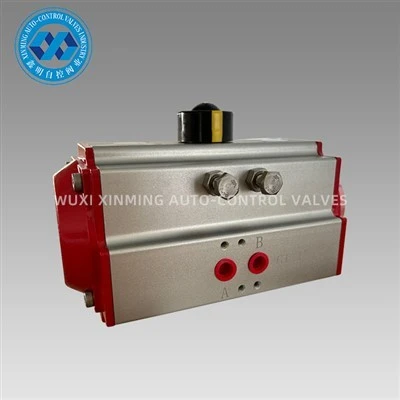
As a pneumatic actuator supplier, we offer a wide range of high - quality pneumatic actuators and related components, including filters. Our Pneumatic Actuators Against Light Corrosive Environment are designed to withstand light corrosive environments, ensuring long - term performance. Our Anodized Pneumatic Actuator provides enhanced durability and resistance to wear. And our Reliable And Durable Pneumatic Actuators are known for their reliability and long service life.
Conclusion
In conclusion, filters play a crucial role in pneumatic actuator systems. They protect the system from particulate matter, moisture, and oil, ensuring smooth operation, extended component lifespan, and reduced downtime. By choosing the right filter for your system, you can optimize the performance of your pneumatic actuator and enhance the overall efficiency of your industrial processes.
If you're in the market for high - quality pneumatic actuators and filters, we're here to help. Our team of experts can assist you in selecting the right products for your specific needs. Contact us today to start a procurement discussion and take your industrial automation to the next level.
References
- "Pneumatic Systems Handbook" by Peter Dyke
- "Industrial Pneumatics: Technology and Maintenance" by S. K. Sarkar