The stroke of the plunger in a 24V solenoid valve is a critical parameter that significantly influences the valve's performance and functionality. As a trusted 24V solenoid valve supplier, I am well - versed in the intricacies of this component and its impact on the overall operation of the valve.
Understanding the Basics of a 24V Solenoid Valve
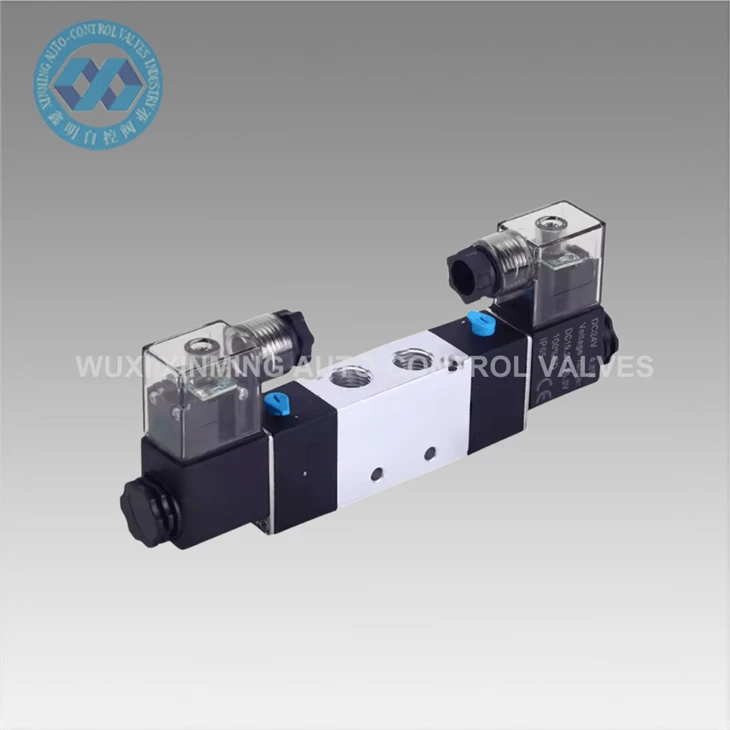
A 24V solenoid valve is an electromechanical device that controls the flow of fluids or gases. It consists of a coil, a plunger, and a valve body. When an electrical current of 24 volts is applied to the coil, it generates a magnetic field. This magnetic field attracts the plunger, which then moves to either open or close the valve, allowing or blocking the flow of the medium.
What is the Plunger Stroke?
The plunger stroke refers to the distance that the plunger travels within the solenoid valve when the coil is energized. It is measured from the fully closed position to the fully open position. The stroke length is a carefully engineered characteristic, determined by the design requirements of the valve and the specific application it is intended for.
Factors Affecting the Plunger Stroke
Coil Design
The design of the solenoid coil plays a crucial role in determining the plunger stroke. A well - designed coil can generate a strong and uniform magnetic field. The number of turns in the coil, the wire gauge, and the type of core material all influence the magnetic force produced. A stronger magnetic field can drive the plunger over a greater distance, resulting in a longer stroke. For example, a coil with a higher number of turns and a high - quality ferromagnetic core can generate a more powerful magnetic field, enabling a longer plunger stroke.
Spring Force
Most solenoid valves are equipped with a return spring. The spring is responsible for returning the plunger to its original position when the coil is de - energized. The stiffness of the spring, known as the spring constant, affects the plunger stroke. A stiffer spring requires more force from the magnetic field to compress it and move the plunger. Therefore, if the spring is too stiff, it may limit the plunger stroke. On the other hand, a very weak spring may cause the valve to open or close too easily, leading to inconsistent performance.
Valve Body Design
The internal design of the valve body also impacts the plunger stroke. The size and shape of the chamber where the plunger moves, as well as the flow passages, can affect the movement of the plunger. A valve body with a well - optimized chamber design allows for smooth and unrestricted movement of the plunger, maximizing the available stroke. Additionally, the sealing mechanism within the valve body can influence the stroke. If the seals are too tight or misaligned, they can create additional resistance, reducing the effective plunger stroke.
Importance of the Plunger Stroke
Flow Control
The plunger stroke directly affects the flow rate of the medium through the valve. A longer stroke generally allows for a larger opening in the valve, resulting in a higher flow rate. In applications where precise flow control is required, such as in industrial automation or medical equipment, the correct plunger stroke is essential. For instance, in a chemical dosing system, the plunger stroke must be accurately calibrated to ensure the correct amount of chemical is dispensed.
Response Time
The plunger stroke also influences the response time of the solenoid valve. A shorter stroke typically means that the plunger can move more quickly between the open and closed positions, resulting in a faster response time. In applications where rapid on - off cycling is required, such as in pneumatic control systems, a shorter stroke can improve the overall system performance.
Different Types of 24V Solenoid Valves and Their Plunger Strokes
Direct - Acting Solenoid Valves
In direct - acting solenoid valves, the plunger directly controls the flow of the medium. These valves usually have a relatively short plunger stroke because the magnetic force generated by the coil needs to overcome the pressure of the medium directly. The short stroke allows for quick and reliable operation, making them suitable for applications with low to medium flow rates and pressures.
Pilot - Operated Solenoid Valves
Pilot - operated solenoid valves use a small pilot valve to control the flow of the main valve. The plunger in a pilot - operated valve typically has a longer stroke compared to a direct - acting valve. This is because the pilot valve creates a pressure differential that helps to move the main valve's plunger. Pilot - operated valves are suitable for applications with high flow rates and pressures.

Applications Based on Plunger Stroke
Industrial Automation
In industrial automation, 24V solenoid valves are widely used for controlling the flow of air, water, and other fluids. Valves with different plunger strokes are selected based on the specific requirements of the automation process. For example, in a conveyor system that uses pneumatic actuators, a solenoid valve with a short stroke and fast response time may be used to control the movement of the actuators quickly.
Water Treatment
In water treatment plants, 24V solenoid valves are used to control the flow of water, chemicals, and other fluids. Valves with longer plunger strokes may be preferred in applications where large flow rates are required, such as in the distribution of treated water.
Related Products in Our Portfolio
As a supplier of 24V solenoid valves, we also offer a range of related products. For those who may need different voltage options, we have 220V Solenoid Valve. Our Long Life Pneumatic Air Control Solenoid Valve is designed for long - term, reliable operation in pneumatic systems. Additionally, the High - Performance Two - Position Five - Way Pneumatic Solenoid Valve With Electric Coil provides excellent performance for complex pneumatic control applications.
Contact for Purchase and Consultation
If you are in need of 24V solenoid valves or have any questions regarding the plunger stroke or other technical aspects, we are here to assist you. Our team of experts can provide in - depth advice and help you select the most suitable valve for your specific application. Don't hesitate to contact us for further discussion and procurement opportunities.
References
- "Solenoid Valve Handbook" by Peter A. Schweitzer
- "Electromechanical Devices and Their Applications" by John M. O'Rourke