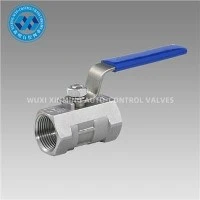
As a seasoned supplier of flange ball valves, I've witnessed firsthand the critical role that seals play in the performance and longevity of these essential components. Flange ball valves are widely used in various industries, including oil and gas, chemical processing, water treatment, and more, to control the flow of fluids. The choice of seal can significantly impact the valve's efficiency, reliability, and safety. In this blog post, I'll explore the different types of seals used in flange ball valves, their characteristics, and applications.
1. Elastomeric Seals
Elastomeric seals are one of the most common types of seals used in flange ball valves. These seals are made from elastic materials such as rubber, which can deform under pressure and then return to their original shape. This property allows them to create a tight seal between the ball and the valve body, preventing leakage.


Nitrile Rubber (NBR) Seals
Nitrile rubber is a popular choice for seals in flange ball valves due to its excellent resistance to oil, fuel, and other petroleum-based fluids. It also has good mechanical properties, including high tensile strength and abrasion resistance. NBR seals are suitable for a wide range of temperatures, typically from -40°C to 120°C (-40°F to 248°F). They are commonly used in applications where the valve is exposed to hydraulic fluids, lubricants, and other non-polar solvents.
Fluorocarbon Rubber (FKM) Seals
Fluorocarbon rubber, also known as Viton®, is a high-performance elastomer that offers exceptional resistance to heat, chemicals, and ozone. FKM seals can withstand temperatures ranging from -20°C to 200°C (-4°F to 392°F) and are highly resistant to a wide variety of chemicals, including acids, bases, and solvents. They are often used in applications where the valve is exposed to harsh chemical environments, such as in the chemical processing and petrochemical industries.
Ethylene Propylene Diene Monomer (EPDM) Seals
EPDM rubber is a synthetic elastomer that has excellent resistance to weathering, ozone, and water. It also has good electrical insulation properties and is resistant to a wide range of chemicals, including acids, alkalis, and polar solvents. EPDM seals are suitable for applications where the valve is exposed to water, steam, and other non-petroleum-based fluids. They are commonly used in the water treatment, food and beverage, and pharmaceutical industries.
2. PTFE Seals
Polytetrafluoroethylene (PTFE), also known as Teflon®, is a synthetic fluoropolymer that has unique properties, including low friction, high chemical resistance, and excellent non-stick characteristics. PTFE seals are widely used in flange ball valves due to their ability to provide a tight seal even under high pressures and temperatures.
Virgin PTFE Seals
Virgin PTFE is the purest form of PTFE and has the highest chemical resistance and lowest friction coefficient. It is suitable for applications where the valve is exposed to aggressive chemicals and high temperatures. Virgin PTFE seals are commonly used in the chemical processing, pharmaceutical, and food and beverage industries.
Filled PTFE Seals
Filled PTFE is a modified form of PTFE that contains additives such as glass fibers, carbon fibers, or bronze particles to improve its mechanical properties. Filled PTFE seals have higher strength, stiffness, and wear resistance than virgin PTFE seals. They are suitable for applications where the valve is exposed to high pressures, high temperatures, and abrasive fluids. Filled PTFE seals are commonly used in the oil and gas, power generation, and mining industries.
3. Metal Seals
Metal seals are used in applications where the valve is exposed to high pressures, high temperatures, and abrasive fluids. These seals are made from materials such as stainless steel, carbon steel, or alloy steel, which have high strength and corrosion resistance.
Soft Metal Seals
Soft metal seals are made from materials such as copper, aluminum, or lead, which can deform easily under pressure to create a tight seal. Soft metal seals are suitable for applications where the valve is exposed to low to medium pressures and temperatures. They are commonly used in the plumbing, HVAC, and automotive industries.
Hard Metal Seals
Hard metal seals are made from materials such as stainless steel, carbon steel, or alloy steel, which have high strength and wear resistance. Hard metal seals are suitable for applications where the valve is exposed to high pressures, high temperatures, and abrasive fluids. They are commonly used in the oil and gas, power generation, and mining industries.
4. Applications and Considerations
The choice of seal for a flange ball valve depends on several factors, including the type of fluid being controlled, the operating pressure and temperature, the chemical compatibility of the seal material with the fluid, and the required level of sealing performance. Here are some general guidelines for selecting the appropriate seal for your application:
- Chemical Compatibility: Ensure that the seal material is compatible with the fluid being controlled. Different seal materials have different levels of resistance to various chemicals, so it's important to choose a seal that can withstand the chemical environment in which the valve will be used.
- Temperature and Pressure Rating: Consider the operating temperature and pressure of the system. Different seal materials have different temperature and pressure ratings, so it's important to choose a seal that can withstand the conditions in which the valve will be used.
- Sealing Performance: Determine the required level of sealing performance for your application. Some applications may require a tight seal to prevent leakage, while others may tolerate a small amount of leakage.
- Cost and Availability: Consider the cost and availability of the seal material. Some seal materials may be more expensive or difficult to obtain than others, so it's important to choose a seal that is cost-effective and readily available.
5. Our Product Range
As a leading supplier of flange ball valves, we offer a wide range of valves with different types of seals to meet the diverse needs of our customers. Our product range includes Pneumatic Stainless Steel 3 Way Ball Valve, 3 Way Ball Valve With Pneumatic Actuator, and Sanitary Grade Stainless Steel 304 316 Ball Valve. Our valves are designed and manufactured to the highest quality standards and are available in a variety of sizes, materials, and configurations.
6. Contact Us for Procurement
If you're in the market for flange ball valves or need more information about the different types of seals available, we'd love to hear from you. Our team of experts can help you select the right valve and seal for your application and provide you with a competitive quote. Contact us today to start the procurement process and take the first step towards improving the efficiency and reliability of your fluid control system.
References
- ASME B16.34 - Valves - Flanged, Threaded, and Welding End
- API 6D - Pipeline Valves - Specification for Pipeline Valves
- ISO 5208 - Industrial Valves - Pressure Testing of Valves
- ASTM D2000 - Standard Classification System for Rubber Products in Automotive Applications