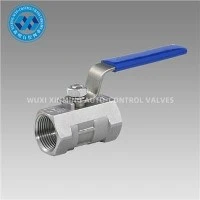
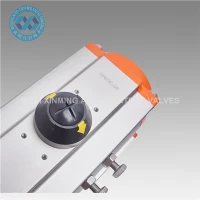
Pneumatic actuators are essential components in a wide range of industries and applications. As a leading supplier of pneumatic actuators, I have witnessed firsthand the versatility and importance of these devices. In this blog post, I will explore the various sectors where pneumatic actuators are commonly used, highlighting their benefits and the specific applications within each industry.
Manufacturing Industry
The manufacturing industry is one of the largest consumers of pneumatic actuators. These actuators are used in automated production lines to control the movement of machinery and equipment. For example, in assembly lines, pneumatic actuators are used to position parts accurately, pick and place components, and perform various assembly operations. They provide precise control and high-speed operation, which is crucial for maintaining high production rates and quality standards.
In addition to assembly operations, pneumatic actuators are also used in material handling systems. They can be found in conveyor systems, robotic arms, and automated storage and retrieval systems. Pneumatic actuators enable the efficient movement of materials within the manufacturing facility, reducing manual labor and increasing productivity.
One of the key advantages of using pneumatic actuators in the manufacturing industry is their reliability. They are designed to withstand harsh industrial environments, including high temperatures, dust, and vibrations. Pneumatic actuators also require minimal maintenance, which helps to reduce downtime and operating costs.
Automotive Industry
The automotive industry is another major user of pneumatic actuators. These actuators are used in a variety of applications, including engine control, transmission systems, and braking systems. In engine control, pneumatic actuators are used to control the intake and exhaust valves, ensuring optimal engine performance and fuel efficiency.
In transmission systems, pneumatic actuators are used to engage and disengage the clutch, shift gears, and control the torque converter. They provide smooth and precise operation, which is essential for a comfortable driving experience.
In braking systems, pneumatic actuators are used to control the brake calipers, ensuring reliable and responsive braking. They are also used in anti-lock braking systems (ABS) and electronic stability control (ESC) systems, which help to improve vehicle safety.
The automotive industry demands high-quality and reliable components, and pneumatic actuators meet these requirements. They are designed to operate under extreme conditions, including high pressures and temperatures. Pneumatic actuators also offer fast response times, which is crucial for ensuring the safety and performance of vehicles.
Food and Beverage Industry
The food and beverage industry has strict hygiene and safety standards, and pneumatic actuators are well-suited for this environment. These actuators are used in a variety of applications, including filling and packaging machines, conveyor systems, and processing equipment.
In filling and packaging machines, pneumatic actuators are used to control the flow of liquids and solids, ensuring accurate filling and packaging. They are also used to open and close valves, seals, and lids, ensuring the integrity of the packaging.
In conveyor systems, pneumatic actuators are used to control the movement of products, ensuring smooth and efficient transfer between different stages of the production process. They are also used to sort and divert products, ensuring accurate routing and distribution.
In processing equipment, pneumatic actuators are used to control the movement of mixing blades, cutting tools, and other components. They provide precise control and high-speed operation, which is crucial for maintaining product quality and consistency.
One of the key advantages of using pneumatic actuators in the food and beverage industry is their cleanliness. They are designed to be easy to clean and sanitize, which helps to prevent the growth of bacteria and other contaminants. Pneumatic actuators also do not produce any sparks or emissions, which makes them suitable for use in explosive environments.
Chemical and Petrochemical Industry
The chemical and petrochemical industry involves the handling of hazardous and corrosive materials, and pneumatic actuators are commonly used in this environment. These actuators are used in a variety of applications, including valve control, flow regulation, and pressure control.
In valve control, pneumatic actuators are used to open and close valves, ensuring the safe and efficient flow of chemicals and petrochemicals. They are also used to control the position of valves, ensuring accurate flow regulation and pressure control.
In flow regulation, pneumatic actuators are used to control the flow rate of liquids and gases, ensuring optimal process performance. They are also used to control the mixing of different chemicals and petrochemicals, ensuring accurate product quality.
In pressure control, pneumatic actuators are used to maintain the desired pressure levels in pipelines and vessels, ensuring the safety and integrity of the system. They are also used to control the pressure relief valves, ensuring the protection of the equipment and personnel.
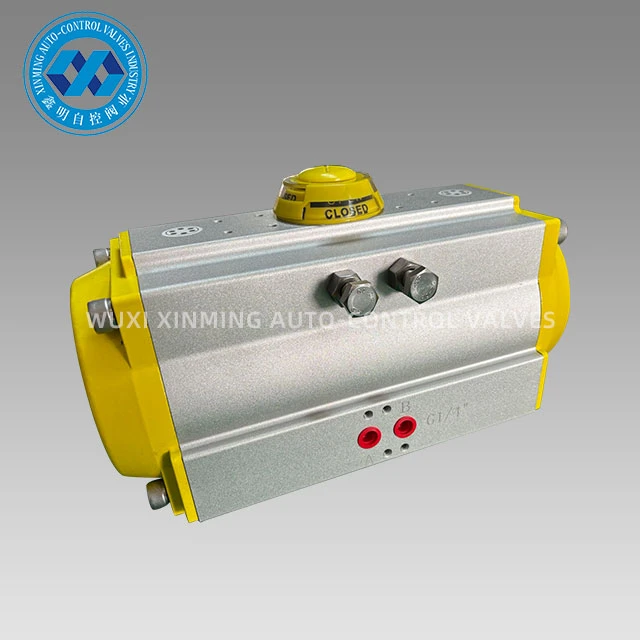
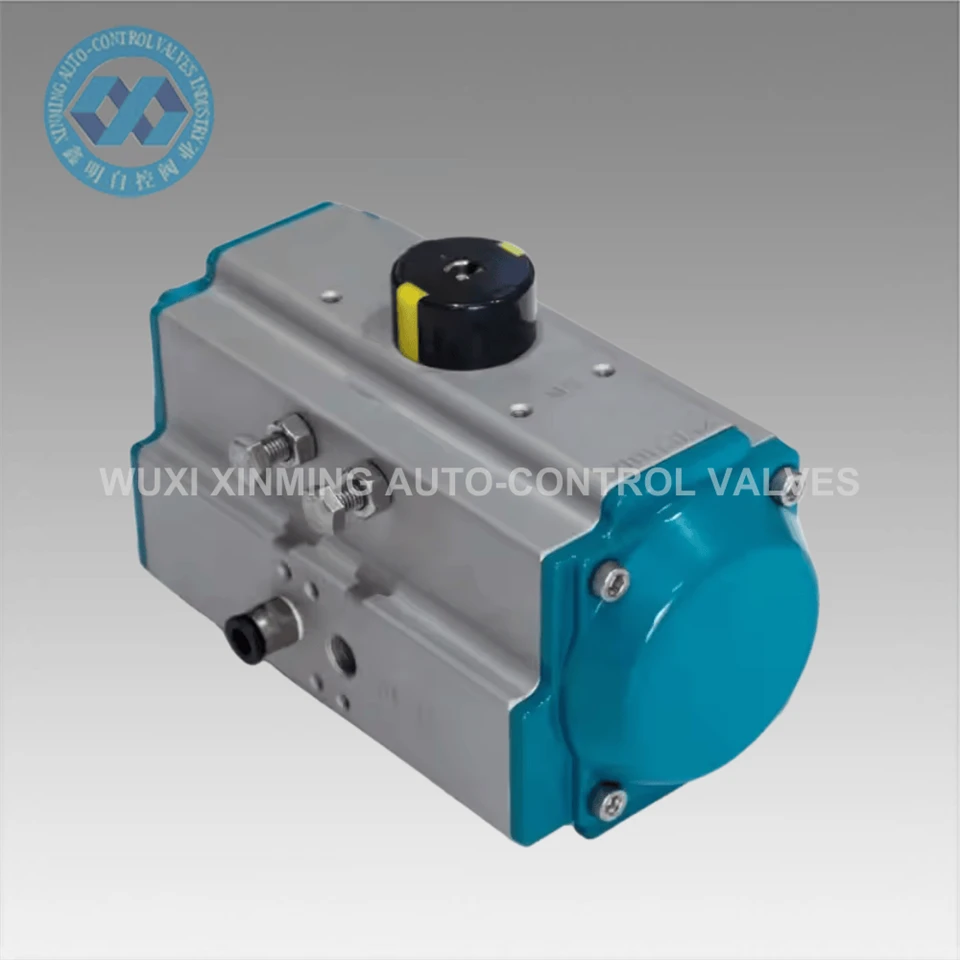
The chemical and petrochemical industry requires actuators that are resistant to corrosion and chemical attack. Pneumatic actuators are typically made of materials such as stainless steel, aluminum, and brass, which are highly resistant to corrosion. They are also designed to operate under high pressures and temperatures, which is common in this industry.
Water and Wastewater Treatment Industry
The water and wastewater treatment industry is responsible for providing clean and safe water to communities and industries. Pneumatic actuators are used in a variety of applications in this industry, including valve control, flow regulation, and level control.
In valve control, pneumatic actuators are used to open and close valves, ensuring the proper flow of water and wastewater through the treatment process. They are also used to control the position of valves, ensuring accurate flow regulation and pressure control.
In flow regulation, pneumatic actuators are used to control the flow rate of water and wastewater, ensuring optimal treatment performance. They are also used to control the mixing of chemicals and other treatment agents, ensuring accurate dosing and treatment.
In level control, pneumatic actuators are used to maintain the desired water levels in tanks and reservoirs, ensuring the proper operation of the treatment process. They are also used to control the overflow and drainage systems, ensuring the safety and integrity of the facility.
The water and wastewater treatment industry requires actuators that are reliable and easy to maintain. Pneumatic actuators are designed to operate in wet and humid environments, and they are resistant to corrosion and fouling. They also require minimal maintenance, which helps to reduce operating costs and downtime.
Conclusion
Pneumatic actuators are versatile and reliable devices that are used in a wide range of industries and applications. As a supplier of pneumatic actuators, I understand the importance of providing high-quality products that meet the specific needs of our customers. Whether you are in the manufacturing, automotive, food and beverage, chemical and petrochemical, or water and wastewater treatment industry, we have the right pneumatic actuator for your application.
If you are interested in learning more about our pneumatic actuators or would like to discuss your specific requirements, please do not hesitate to contact us. Our team of experts is ready to assist you in finding the best solution for your needs.
We offer a wide range of pneumatic actuators, including Pneumatic Valve Actuators For Spherical And Butterfly Water Media Valves, High Strength Pneumatic Actuators, and Angular Stroke Pneumatic Actuators. These actuators are designed to provide reliable and efficient operation in a variety of applications.
Contact us today to start the procurement process and take advantage of our high-quality pneumatic actuators.
References
- "Pneumatic Actuators: Principles, Types, and Applications." Industrial Automation Handbook.
- "Automotive Pneumatic Actuators: Design and Performance." Automotive Engineering Journal.
- "Food and Beverage Industry Pneumatic Actuators: Hygiene and Safety Considerations." Food Processing Magazine.
- "Chemical and Petrochemical Industry Pneumatic Actuators: Corrosion Resistance and High-Pressure Operation." Chemical Engineering Journal.
- "Water and Wastewater Treatment Industry Pneumatic Actuators: Reliability and Maintenance." Water Treatment Technology Review.