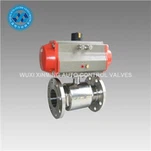
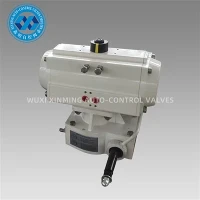
A solenoid valve can be automated quite easily.
One of the main reasons is its simple electrical actuation principle. Solenoid valves are controlled by an electric current that activates a magnetic coil. This makes it straightforward to integrate them into automated systems. For example, in a programmable logic controller (PLC) - based automation setup, a solenoid valve can be connected to the output of a PLC. The PLC can send a digital signal to the solenoid valve to open or close it based on pre - programmed conditions such as time, temperature, or the state of other sensors in the system.
The response time of solenoid valves is relatively fast. They can open or close quickly, usually within milliseconds to seconds depending on the type and size. This rapid response enables them to be used in applications where precise and timely control is required, such as in automated fluid - dispensing systems.
Moreover, solenoid valves are available in various configurations and sizes, making them adaptable to different automated processes. They can handle a wide range of fluids, including gases and liquids. Some solenoid valves also come with additional features like position feedback sensors. These sensors can provide information about the valve's state (open or close) back to the control system, allowing for more complex and accurate automation sequences. Overall, their simple operation, fast response, and adaptability make solenoid valves a convenient choice for easy automation.
If you have any questions or need more details about solenoid valve, feel free to contact us, we will serve you wholeheartedly!