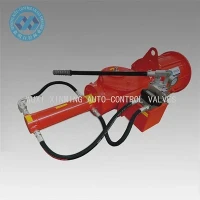
When installing a solenoid valve, several key considerations need to be taken into account.
1. Orientation and Positioning
The solenoid valve should be installed in the correct orientation. Some solenoid valves are designed to work optimally in a specific vertical or horizontal position. For example, valves with a certain type of internal mechanism may require a vertical orientation to ensure proper operation of the plunger. Additionally, the valve should be placed in a location that is easily accessible for maintenance and inspection.
2. Piping Connections
Proper pipe fitting is essential. The inlet and outlet pipes should be connected securely to the valve ports to prevent leaks. The pipe diameter should match the valve's port size to avoid flow restrictions. It's also important to consider the type of piping material and its compatibility with the fluid being handled. For example, if the fluid is corrosive, pipes made of corrosion - resistant materials like stainless steel should be used.
3. Electrical Connections
Solenoid valves require correct electrical connections. The voltage and current ratings of the power supply must match the valve's requirements. Incorrect electrical connections can lead to valve malfunction or damage. The wires should be properly insulated and protected from physical damage and moisture. Using a suitable conduit or cable tray can help in this regard.
4. Surrounding Environment
The installation location's environment matters. The solenoid valve should be protected from extreme temperatures, excessive moisture, and dust. If the valve is to be used in a corrosive or explosive atmosphere, appropriate protective measures such as explosion - proof enclosures or corrosion - resistant coatings need to be applied. Also, vibrations in the surrounding area can affect the valve's operation, so mounting the valve on a stable base or using vibration - isolating mounts may be necessary.
For more Solenoid Valve information, please visit the following website: www.xmvalveactuator.com