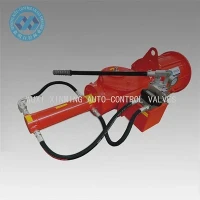
The maintenance requirements of a butterfly valve are essential to ensure its optimal performance and longevity.
Regular inspection is a crucial first step. The valve body and the disc should be examined for signs of corrosion, erosion, or physical damage. In applications where the valve is exposed to corrosive fluids or harsh environments, this inspection might need to be more frequent. For example, in a chemical processing plant, any sign of corrosion on the valve body could lead to leaks and should be addressed promptly.
Lubrication of the valve's moving parts is also important. The shaft and the bearings that support the rotation of the disc need to be properly lubricated. This reduces friction and wear, allowing for smooth operation. Using a suitable lubricant that is compatible with the operating environment is key.
The seal of the butterfly valve requires attention as well. Over time, the seal can wear out or become damaged. Checking the seal for leaks and replacing it when necessary is vital. A damaged seal can lead to fluid leakage, reducing the valve's efficiency and potentially causing safety or environmental issues.
In addition, the actuator (if the valve is automated) should be maintained according to its own requirements. This includes checking for proper electrical connections (in the case of an electric actuator), or air pressure and valve operation (for a pneumatic actuator). Regular calibration of the actuator to ensure accurate valve positioning is also beneficial for the overall performance of the butterfly valve.
If you want to learn low price , please visit the following website: www.xmvalveactuator.com