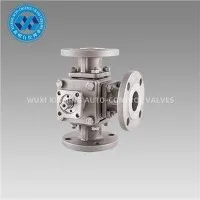
Pneumatic actuators are prized for their speed and simplicity, but on-site engineers still meet a recurring set of faults. Recognising early symptoms and knowing the quick fixes can prevent costly shutdowns and keep valves cycling millions of times without drama.
1. Air leakage
The hiss is the classic alarm. A 1 mm leak on a 6 bar line wastes 2.5 m³ h⁻¹ and costs €350 yr⁻¹ in compressor energy. Smear soapy water on joints; bubbles reveal the path. Replace worn O-rings (usually NBR 70 Shore) and tighten tubing inserts to the maker's torque-over-tightening cracks plastic push-in fittings.
2. Slow or incomplete stroke
If a 2-s actuator takes 5 s, check the supply pressure first. Every 0.5 bar drop below the nameplate reduces thrust by 8 %. Next, look at the exhaust side: silencers clog with dust or ice, raising back-pressure. Swap to a sintered bronze model with 40 µm pores; they pass 30 % more flow than plastic screens. Finally, verify tube bore-up-sizing from 4 mm to 6 mm can cut fill time by 40 %.
3. Shaft seal by-pass
After 500,000 cycles, the lip on the stem seal wears, letting air into the spring chamber. The actuator creeps or fails to hold position. Most seals are reversible; flip them for an extra life, but keep spare kits on site-replacement takes 10 minutes with a 10 mm spanner.
4. Condensation corrosion
Water carried over from the compressor attacks aluminium bodies and springs. Install a 5 µm coalescing filter within 5 m of the actuator and drain it weekly. In sub-zero plants, add an ISO 8573-1 Class 4 dryer; ice inside a 90° rotary vane unit sheared a stainless driveshaft in a Norwegian fish factory.
5. Misaligned mounting
Side-loading as small as 0.5 mm bends the stem and destroys seals. Use couplings with ±2° angular float and check that valve and actuator shafts are coaxial within 0.1 mm TIR (total indicator reading). A laser alignment tool pays for itself after one avoided actuator replacement.
6. Over-pressure shock
Surges above 8 bar can permanently compress the spring, dropping fail-safe torque 20 %. Fit a 6.3 bar safety relief valve on the manifold and set the compressor unloader 0.5 bar below it.
7. Sensor drift
Magnetic reed switches inside positioners lose repeatability above 80 °C. Swap to Hall-Effect sensors rated 125 °C and run signal cable in separate conduit from power lines to cut EMI noise.
Preventive checklist: every six months-measure supply pressure, cycle time and exhaust flow; every year-replace filter elements, grease pin joints and log stroke count. Follow these simple rules and a pneumatic actuator will outperform its electric cousin for speed, safety and total cost of ownership across millions of maintenance-free cycles.