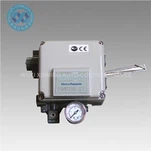
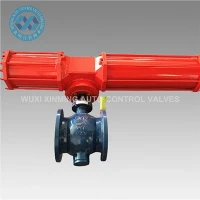
A pneumatic actuator with a limit switch box is a critical component in modern valve automation systems. It ensures precise control and provides valve position feedback, allowing operators to monitor open or closed status from a control room. Installing it correctly is essential for achieving accurate operation, reliability, and safety. At WUXI XINMING AUTO-CONTROL VALVES INDUSTRY CO., LTD., we manufacture high-quality pneumatic actuators and limit switch boxes designed for durability, precision, and easy installation.
1. Understanding the Components
Before installation, it's important to understand the main parts of a pneumatic actuator with limit switch box:
Pneumatic Actuator: Converts compressed air into rotary motion to open or close the valve.
Limit Switch Box: Detects and signals valve position (open/close) to a control system.
Mounting Bracket and Coupling: Connects the actuator to the valve stem securely.
Accessories (Optional): Solenoid valve, air filter regulator, and positioner for enhanced control.
2. Preparation Before Installation
To ensure a safe and efficient installation:
Verify that the pneumatic actuator and valve specifications match (torque, rotation angle, and pressure range).
Check that the valve operates smoothly manually before mounting the actuator.
Ensure the air supply is clean, dry, and within the recommended pressure range (typically 4–8 bar).
Prepare necessary tools: Allen keys, wrenches, mounting bolts, and sealing materials.
3. Step-by-Step Installation Guide
Step 1: Mount the Bracket and Coupling
Place the mounting bracket onto the valve body.
Install the coupling on the valve stem, ensuring it fits tightly and aligns with the actuator shaft.
Make sure the valve is in the fully closed position before proceeding.
Step 2: Install the Pneumatic Actuator
Position the pneumatic actuator over the coupling so the drive shaft aligns correctly.
Secure it using bolts through the mounting bracket.
Check that the actuator rotates smoothly from 0° to 90° (or 0–45–90° for multi-position models).
Step 3: Attach the Limit Switch Box
Mount the limit switch box on top of the actuator using the NAMUR standard interface.
Adjust the cam settings inside the switch box to correspond with the valve's open and closed positions.
Connect the signal wires from the limit switch to your control panel following the manufacturer's wiring diagram.
Step 4: Air Connection and Testing
Connect the air supply to the actuator's inlet ports.
For double-acting actuators, connect both air ports; for spring-return actuators, connect only the working port.
Operate the actuator several times to ensure smooth rotation and accurate limit switch indication.
Verify signal lights or indicators reflect correct valve positions.
4. Tips for Reliable Operation
Regularly inspect air lines and fittings for leaks.
Keep the limit switch box dry and clean.
Apply proper lubrication during maintenance.
Periodically test signal accuracy and actuator response.
Why Choose WUXI XINMING AUTO-CONTROL VALVES INDUSTRY CO., LTD.
As a professional manufacturer with over 15 years of experience, WUXI XINMING AUTO-CONTROL VALVES INDUSTRY CO., LTD. offers a complete range of pneumatic actuators with limit switch boxes, including double-acting and spring-return types.
All our products are made with precision CNC equipment and tested to ensure long service life, stable torque output, and high sealing performance. We also provide full sets of valve automation accessories such as solenoid valves, positioners, and manual gearboxes.
Proper installation of a pneumatic actuator with a limit switch box ensures accurate valve control, reliable signal feedback, and longer system life. By following the correct steps and maintenance guidelines, you can achieve smooth and efficient operation in any industrial automation process.
Looking for a reliable pneumatic actuator with a limit switch box for your valve system?
Contact WUXI XINMING AUTO-CONTROL VALVES INDUSTRY CO., LTD. today for expert guidance, detailed specifications, or a customized quotation for your automation project.