In the realm of industrial and sanitary applications, automated sanitary ball valves have become an indispensable component due to their efficiency and reliability. As a leading supplier of sanitary ball valves, I often encounter questions from customers regarding various aspects of these valves, including the potential issue of electromagnetic interference (EMI). In this blog, we will delve into the topic of whether there are any electromagnetic interference issues when using an automated sanitary ball valve.


Understanding Automated Sanitary Ball Valves
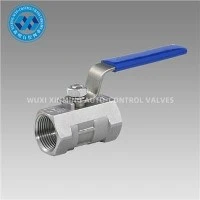
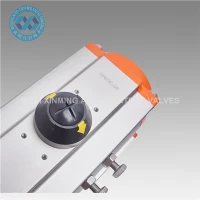
Automated sanitary ball valves are designed to control the flow of fluids in sanitary environments such as food and beverage processing, pharmaceutical manufacturing, and biotechnology. These valves are typically actuated by electric, pneumatic, or hydraulic systems, allowing for precise control and automation of the fluid flow. The use of automated valves not only improves process efficiency but also reduces the risk of contamination by minimizing human intervention.
Electromagnetic Interference: A Primer
Electromagnetic interference refers to the disruption of the normal operation of electronic devices by electromagnetic radiation. EMI can be caused by a variety of sources, including power lines, radio frequency transmitters, and electrical equipment. When electronic components in a device are exposed to EMI, they may experience malfunctions, errors, or even permanent damage.
Potential Sources of EMI in Automated Sanitary Ball Valves
There are several potential sources of EMI in automated sanitary ball valves, which can be classified into internal and external sources.
Internal Sources
- Actuator Electronics: The actuators used in automated sanitary ball valves often contain electronic components such as motors, sensors, and control circuits. These components can generate electromagnetic fields during operation, which may interfere with other electronic devices in the vicinity.
- Wiring and Connectors: The wiring and connectors used to connect the actuator to the control system can also act as antennas, picking up and radiating electromagnetic signals. Poorly shielded wiring or loose connectors can exacerbate this problem.
External Sources
- Power Supplies: The power supplies used to operate the automated sanitary ball valves can be a significant source of EMI. Switching power supplies, in particular, can generate high-frequency noise that can spread through the electrical system and interfere with other devices.
- Radio Frequency Interference (RFI): Radio frequency signals from nearby transmitters, such as radio and television stations, cell phones, and Wi-Fi routers, can also cause EMI in automated sanitary ball valves. These signals can be picked up by the valve's electronic components and disrupt their normal operation.
Impact of EMI on Automated Sanitary Ball Valves
The impact of EMI on automated sanitary ball valves can vary depending on the severity of the interference and the sensitivity of the valve's electronic components. In some cases, EMI may cause minor glitches or errors in the valve's operation, such as incorrect positioning or erratic opening and closing. In more severe cases, EMI can lead to complete failure of the valve, resulting in production downtime and potential safety hazards.
Mitigating EMI in Automated Sanitary Ball Valves
To minimize the risk of EMI in automated sanitary ball valves, several measures can be taken at the design, installation, and operation stages.
Design Considerations
- Shielding: The use of shielding materials in the design of the valve's electronic components and wiring can help to reduce the emission and reception of electromagnetic signals. Shielded cables and enclosures can be used to protect the sensitive electronic components from external EMI.
- Filtering: The use of filters in the power supply and signal lines can help to suppress high-frequency noise and prevent it from reaching the valve's electronic components. Filters can be designed to block specific frequencies or to provide a general reduction in EMI.
- Grounding: Proper grounding of the valve's electronic components and enclosures is essential for reducing EMI. Grounding provides a low-impedance path for the electromagnetic currents to flow, preventing them from building up and causing interference.
Installation Considerations
- Separation: When installing automated sanitary ball valves, it is important to keep them away from sources of EMI, such as power lines, radio frequency transmitters, and other electrical equipment. Adequate separation can help to reduce the coupling of electromagnetic signals between the valve and the source of interference.
- Proper Wiring: The wiring used to connect the valve to the control system should be installed correctly and securely. Loose or damaged wiring can increase the risk of EMI by allowing electromagnetic signals to radiate or be picked up.
- EMI Filters: In some cases, it may be necessary to install additional EMI filters at the installation site to further reduce the level of interference. These filters can be installed in the power supply or signal lines to provide additional protection for the valve's electronic components.
Operation Considerations
- Regular Maintenance: Regular maintenance of the automated sanitary ball valves is essential for ensuring their proper operation and minimizing the risk of EMI. This includes checking the wiring, connectors, and electronic components for damage or wear, and replacing any faulty parts as needed.
- Monitoring: Monitoring the valve's operation for signs of EMI can help to detect and address any issues before they become serious. This can be done by using diagnostic tools to measure the electromagnetic fields around the valve and to check for any abnormal behavior in the valve's operation.
Conclusion
In conclusion, while there is a potential for electromagnetic interference issues when using automated sanitary ball valves, these issues can be effectively managed through proper design, installation, and operation. By taking the necessary precautions to minimize the risk of EMI, we can ensure the reliable and efficient operation of these valves in sanitary applications.
As a supplier of high-quality sanitary ball valves, we are committed to providing our customers with products that are designed to meet the highest standards of performance and reliability. Our Pneumatic threaded ball valve, 3 Way Ball Valve With Pneumatic Actuator, and 1PC Thread Ball Valve are all engineered to minimize the risk of EMI and to provide long-lasting, trouble-free operation.
If you are interested in learning more about our sanitary ball valves or have any questions regarding electromagnetic interference, please do not hesitate to contact us. We would be happy to discuss your specific requirements and provide you with the best solutions for your application.
References
- "Electromagnetic Compatibility (EMC) - Part 3-2: Limits - Limits for Harmonic Current Emissions (Equipment Input Current ≤ 16 A per Phase)" (IEC 61000-3-2).
- "Electromagnetic Compatibility (EMC) - Part 4-2: Testing and Measurement Techniques - Electrostatic Discharge Immunity Test" (IEC 61000-4-2).
- "Electromagnetic Compatibility (EMC) - Part 4-3: Testing and Measurement Techniques - Radiated, Radio-Frequency, Electromagnetic Field Immunity Test" (IEC 61000-4-3).