Are there any noise issues when using a sanitary ball valve?
As a trusted supplier of sanitary ball valves, I often receive inquiries from customers regarding various aspects of these valves, and one question that frequently comes up is whether there are any noise issues when using a sanitary ball valve. In this blog post, I'll delve into this topic, exploring the potential sources of noise, factors that can influence it, and how to mitigate any noise problems.
Understanding Sanitary Ball Valves
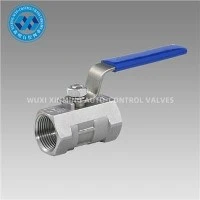
Before we discuss noise issues, it's important to have a basic understanding of sanitary ball valves. These valves are widely used in industries such as food and beverage, pharmaceuticals, and biotechnology, where hygiene and cleanliness are of utmost importance. Sanitary ball valves are designed to provide a tight seal, preventing leakage and ensuring the integrity of the fluid system. They typically consist of a ball with a hole in the center, which rotates to control the flow of fluid through the valve.
Potential Sources of Noise
There are several potential sources of noise when using a sanitary ball valve. One of the most common causes is the flow of fluid through the valve. When fluid passes through a valve, it can create turbulence, which in turn can generate noise. The degree of turbulence depends on several factors, including the flow rate, the viscosity of the fluid, and the design of the valve.
Another potential source of noise is the movement of the valve itself. When the valve is opened or closed, the ball rotates, and this movement can create friction and vibration, which can result in noise. The quality of the valve's components, such as the ball, stem, and seals, can also affect the amount of noise generated.

In some cases, noise can also be caused by external factors, such as improper installation or the presence of other equipment in the vicinity of the valve. For example, if the valve is not properly aligned or supported, it can vibrate more than normal, leading to increased noise. Similarly, if there are other noisy devices nearby, such as pumps or compressors, their noise can be transmitted to the valve and make it seem louder.
Factors Affecting Noise Levels
Several factors can influence the noise levels generated by a sanitary ball valve. One of the most significant factors is the flow rate. As the flow rate increases, the turbulence and pressure drop across the valve also increase, which can result in louder noise. Therefore, it's important to select a valve that is appropriate for the expected flow rate of the system.
The viscosity of the fluid also plays a role in noise generation. Higher viscosity fluids tend to create more turbulence and resistance as they flow through the valve, which can lead to increased noise. In such cases, it may be necessary to choose a valve with a larger bore size or a different design to reduce the pressure drop and minimize noise.
The design of the valve itself is another important factor. Valves with a smooth internal surface and a streamlined flow path are generally quieter than those with a more complex design. Additionally, valves with a low friction coefficient between the ball and the seat can reduce the amount of noise generated during operation.
The quality of the valve's components is also crucial. High-quality components, such as precision-machined balls and seals, can reduce friction and vibration, resulting in quieter operation. It's important to choose a valve from a reputable manufacturer that uses high-quality materials and advanced manufacturing processes.
Mitigating Noise Issues
If you're experiencing noise issues with a sanitary ball valve, there are several steps you can take to mitigate the problem. One of the first things you can do is to check the installation of the valve. Make sure the valve is properly aligned and supported, and that all connections are tight. If necessary, you can use vibration isolation pads or mounts to reduce the transmission of vibration to the surrounding equipment.
Another option is to adjust the flow rate of the system. If the flow rate is too high, reducing it can help to reduce the turbulence and noise generated by the valve. You can also consider using a flow control device, such as a throttle valve or a flow restrictor, to regulate the flow rate and minimize noise.
In some cases, it may be necessary to replace the valve with a different type or design. For example, if the valve is generating excessive noise due to its design, you can choose a valve with a smoother internal surface or a different flow path. Additionally, you can consider using a valve with a lower friction coefficient between the ball and the seat to reduce noise.
It's also important to maintain the valve regularly. Keep the valve clean and lubricated to ensure smooth operation and reduce friction. Inspect the valve for any signs of wear or damage, and replace any worn or damaged components as needed.
Our Sanitary Ball Valve Solutions
As a leading supplier of sanitary ball valves, we offer a wide range of high-quality valves that are designed to minimize noise and provide reliable performance. Our valves are manufactured using advanced technology and high-quality materials, ensuring a smooth and quiet operation.
We also offer a variety of options to meet the specific needs of our customers. For example, we have Chinese Pneumatic Actuator Wafer Thin Ball Valve Factory Price that are suitable for applications where space is limited. These valves are lightweight and compact, yet they provide excellent performance and reliability.
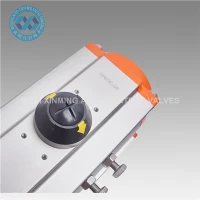
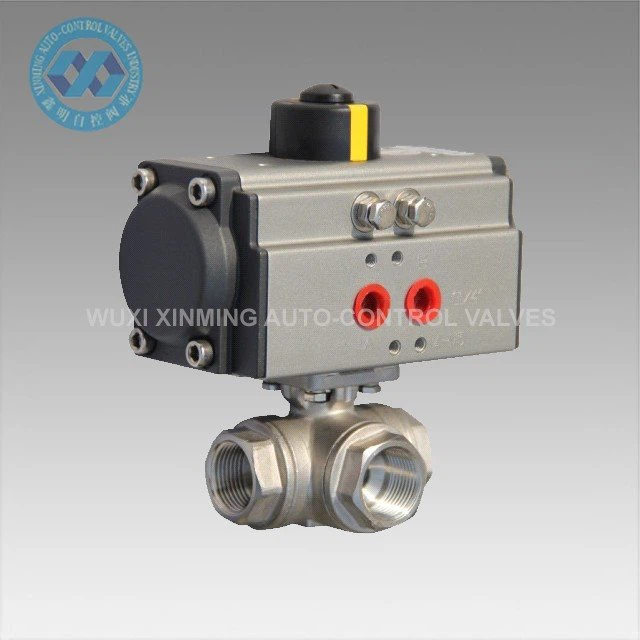
In addition, our Pneumatic Ball Valve are designed for easy operation and precise control. They are equipped with a pneumatic actuator that allows for quick and efficient opening and closing of the valve, reducing the risk of noise and vibration.
We also offer Segment Control Valve With Pneumatic Actuator that are ideal for applications where precise flow control is required. These valves feature a segmented ball design that provides excellent throttling performance and low noise levels.
Contact Us for Your Sanitary Ball Valve Needs
If you're looking for a reliable and quiet sanitary ball valve solution, look no further. Our team of experts is ready to assist you in selecting the right valve for your application. We can provide you with detailed information about our products, as well as offer technical support and advice.
Whether you're in the food and beverage industry, pharmaceuticals, or biotechnology, we have the expertise and experience to meet your needs. Contact us today to learn more about our sanitary ball valves and how they can benefit your business.
References
- "Valve Noise: Causes and Solutions" by Valve World Magazine
- "Fluid Mechanics and Noise in Sanitary Valves" by Journal of Fluid Engineering
- "Best Practices for Reducing Noise in Industrial Valves" by ASME International