

Hey there! As a supplier of lug butterfly valves, I often get asked whether these valves can be used in water treatment plants. Well, let's dive right into it and find out if lug butterfly valves are a good fit for water treatment applications.
First off, let's understand what a lug butterfly valve is. It's a type of quarter - turn valve that uses a disc to control the flow of fluid. The "lug" in the name refers to the lugs on the valve body, which allow it to be installed between two flanges using bolts. These valves are known for their simplicity, compact design, and relatively low cost compared to some other types of valves.
In a water treatment plant, there are several processes going on, such as filtration, sedimentation, disinfection, and more. Each of these processes requires precise control of the water flow, and that's where valves come in.

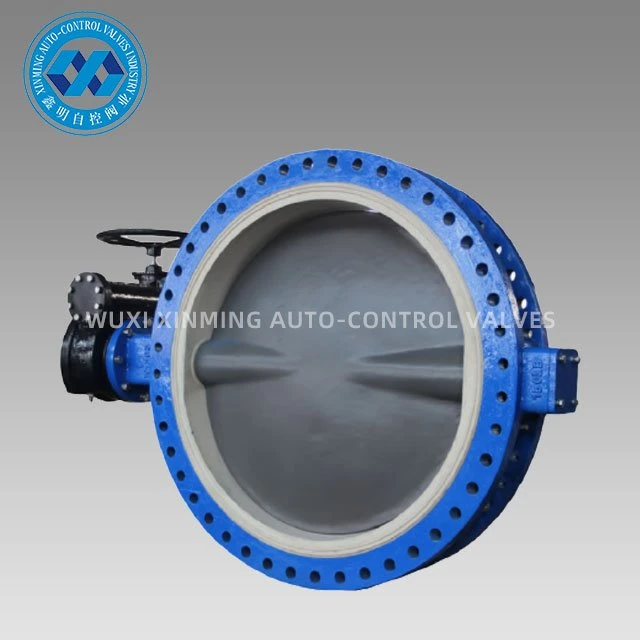
Advantages of Using Lug Butterfly Valves in Water Treatment Plants
1. Cost - effectiveness
One of the biggest selling points of lug butterfly valves is their cost. Water treatment plants often have to install a large number of valves throughout the facility. Using lug butterfly valves can significantly reduce the initial investment cost. They are generally cheaper to manufacture and purchase compared to some other valve types like ball valves or gate valves. This cost - saving can be crucial, especially for smaller water treatment plants or those on a tight budget.
2. Space - saving
Water treatment plants are usually packed with various equipment. Lug butterfly valves have a compact design, which means they take up less space compared to other valves. This is a huge advantage as it allows for more efficient use of the limited space in the plant. You can install more valves in a smaller area without having to worry about them getting in the way of other equipment.
3. Easy installation and maintenance
Installing a lug butterfly valve is a breeze. Since it can be installed between two flanges using bolts, you don't need a lot of specialized tools or skills. This also makes maintenance easier. If there's a problem with the valve, it can be quickly removed and replaced without having to do a lot of complex disassembly work. This reduces downtime in the water treatment process, which is essential for keeping the plant running smoothly.
4. Good flow control
Lug butterfly valves offer good flow control capabilities. The disc in the valve can be rotated to different angles to regulate the flow of water. This is important in water treatment plants where different processes may require different flow rates. For example, during the filtration process, you may need a slower, more controlled flow to ensure proper filtration, and the lug butterfly valve can easily adjust to meet this requirement.
Suitability for Different Water Treatment Processes
1. Filtration
In the filtration process, water is passed through various filters to remove impurities. Lug butterfly valves can be used to control the flow of water into and out of the filters. They can ensure that the water flows at the right rate through the filters, maximizing the filtration efficiency. For instance, if the flow rate is too high, the filters may not be able to trap all the impurities effectively. With a lug butterfly valve, you can easily adjust the flow to the optimal level.
2. Sedimentation
During sedimentation, suspended particles in the water settle to the bottom of a tank. Lug butterfly valves can be used to control the flow of water into and out of the sedimentation tank. They can help maintain a stable water level in the tank and ensure that the sedimentation process occurs at the right pace. For example, if too much water is flowing in too quickly, it can disrupt the settling of particles.
3. Disinfection
In the disinfection process, chemicals are added to the water to kill harmful microorganisms. Lug butterfly valves can be used to control the flow of water during the chemical dosing process. This ensures that the right amount of chemicals is added to the water based on the flow rate. If the flow rate is not properly controlled, it can lead to either under - or over - disinfection of the water.
Types of Lug Butterfly Valves for Water Treatment
1. Cast Iron Butterfly Valve
If you're looking for an affordable and durable option, the Cast Iron Butterfly Valve is a great choice. Cast iron is known for its strength and corrosion resistance, which are important properties in a water treatment environment. These valves can withstand the pressure and flow conditions in a water treatment plant and are suitable for both raw water and treated water applications.
2. Butterfly Valve With Metal To Metal
For applications where a tight shut - off is required, the Butterfly Valve With Metal To Metal is a good option. In water treatment plants, there may be situations where you need to completely stop the flow of water, such as during maintenance or in case of an emergency. The metal - to - metal sealing in these valves provides a reliable shut - off, preventing any leakage.
3. Stainless Steel High Temperature Explosion - proof Pneumatic Hard Seal Flanged Butterfly Valve
In some water treatment processes, high temperatures or potentially explosive environments may be present. The Stainless Steel High Temperature Explosion - proof Pneumatic Hard Seal Flanged Butterfly Valve is designed to handle these challenging conditions. Stainless steel is resistant to corrosion and can withstand high temperatures, while the explosion - proof feature ensures safety in potentially hazardous areas.
Potential Challenges
Of course, lug butterfly valves aren't without their challenges in water treatment plants. One issue is that they may not provide as tight a shut - off as some other valve types. In applications where a zero - leakage seal is absolutely necessary, this could be a problem. However, as mentioned earlier, valves with metal - to - metal seals can help mitigate this issue.
Another challenge is that the disc in the valve can cause some pressure drop in the water flow. This may require additional pumping power to maintain the desired flow rate. But with proper valve sizing and system design, this pressure drop can be minimized.
Conclusion
So, can a lug butterfly valve be used in a water treatment plant? The answer is a resounding yes! They offer a range of advantages such as cost - effectiveness, space - saving, easy installation and maintenance, and good flow control. There are also different types of lug butterfly valves available to suit various water treatment processes and conditions.
If you're involved in a water treatment project and are looking for reliable valve solutions, I'd love to talk to you. Whether you need a cost - effective cast iron valve or a high - performance explosion - proof valve, we've got you covered. Reach out to us to discuss your specific requirements and let's find the perfect lug butterfly valves for your water treatment plant.
References
- Valve Handbook, 4th Edition, by J. S. Holman
- Water Treatment Plant Design, 5th Edition, by Asano et al.




