Hey there! As a supplier of PVC butterfly valves, I often get asked about the differences between PVC butterfly valves and ball valves. It's a great question, and in this blog post, I'll break down the key distinctions to help you understand which valve is the best fit for your specific needs.
Structure and Design
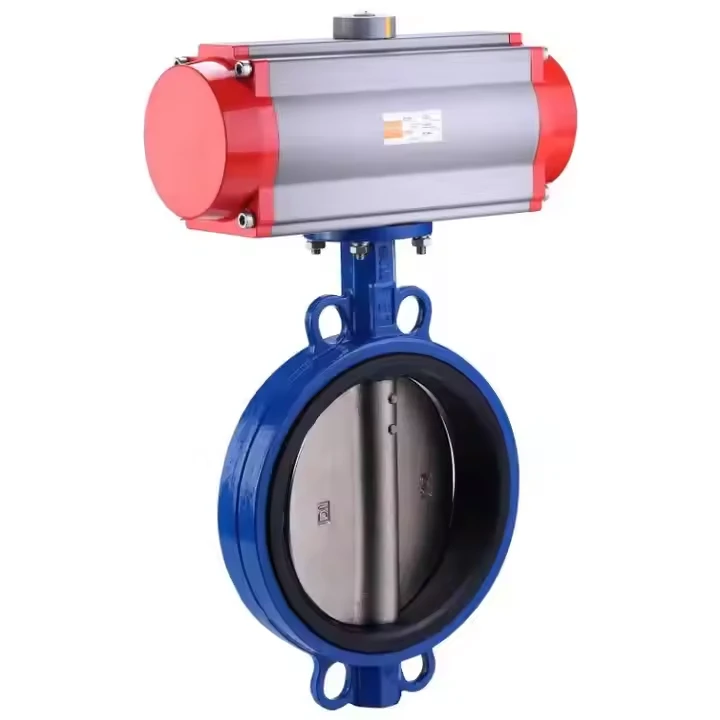
Let's start with the basics - the structure and design of these two types of valves. A PVC butterfly valve consists of a circular disc mounted on a rod. When the valve is open, the disc rotates to allow fluid to flow through the pipe. When it's closed, the disc is turned perpendicular to the flow, blocking the passage. It's a simple yet effective design that's easy to operate and maintain.
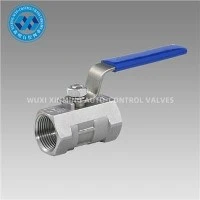
On the other hand, a ball valve has a spherical disc with a hole in the middle. When the valve is open, the hole in the ball aligns with the pipe, allowing fluid to pass through. To close the valve, the ball is rotated 90 degrees so that the solid part of the ball blocks the flow. This design provides a tight seal and is ideal for applications where a complete shut - off is required.
Flow Control
Flow control is a crucial aspect when choosing a valve. PVC butterfly valves are excellent for regulating flow. The disc can be adjusted to different angles, allowing for precise control of the flow rate. This makes them perfect for applications where you need to vary the amount of fluid passing through the system, like in water treatment plants or HVAC systems.
Ball valves, however, are more of an on - off type of valve. They are great for applications where you need to completely stop or start the flow. When fully open, ball valves offer a straight - through flow path with minimal resistance, which means less pressure drop. But they aren't as good at fine - tuning the flow rate as butterfly valves.
Pressure and Temperature Resistance
Pressure and temperature are important factors to consider. PVC butterfly valves are generally suitable for low to medium pressure and temperature applications. PVC is a lightweight and corrosion - resistant material, but it has its limits. If you're dealing with high - pressure or high - temperature fluids, PVC butterfly valves might not be the best choice.
Ball valves, on the other hand, can handle a wider range of pressures and temperatures. They are often made from materials like stainless steel, brass, or other metals that can withstand harsh conditions. So, if you're working in an industrial setting with high - pressure steam or hot oil, a ball valve would be more appropriate.
Cost
Cost is always a consideration in any project. PVC butterfly valves are usually more affordable than ball valves. PVC is a relatively inexpensive material, and the simple design of the butterfly valve also keeps the manufacturing costs down. This makes them a cost - effective option for many applications, especially those with a limited budget.
Ball valves, due to their more complex design and the use of higher - quality materials in many cases, tend to be more expensive. But if you need a valve that can handle high - pressure and high - temperature applications, the extra cost might be worth it in the long run.
Installation and Maintenance
Installation and maintenance are also important aspects. PVC butterfly valves are easy to install. They are lightweight and can be quickly mounted between flanges or in a pipe system. Maintenance is also straightforward. You can easily access the disc and the sealing components for cleaning or replacement.
Ball valves are also relatively easy to install, but they may require more space due to their spherical design. Maintenance can be a bit more involved, especially if you need to replace the ball or the seals. However, modern ball valves are designed to be durable and require less frequent maintenance.
Applications
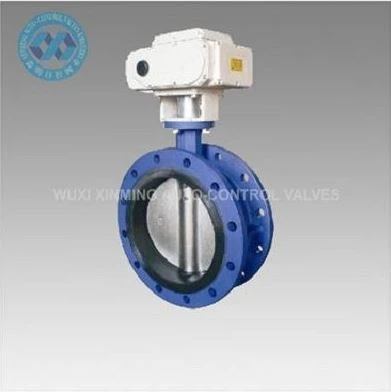
Let's talk about where these valves are commonly used. PVC butterfly valves are widely used in water distribution systems, irrigation systems, and chemical processing plants where the pressure and temperature are relatively low. They are also popular in the food and beverage industry because PVC is a non - toxic material. You can also find them in some Electrical Butterfly Valve applications where electrical actuation is used for automated control.
Ball valves are commonly used in oil and gas pipelines, industrial processes, and fire protection systems. They are also used in residential plumbing for shut - off valves. In addition, Vacuum Butterfly Valve and High Performance Electric Lining Butterfly Valve applications often require the reliability and tight shut - off provided by ball valves.
Conclusion
In conclusion, both PVC butterfly valves and ball valves have their own unique features and advantages. PVC butterfly valves are great for flow regulation, cost - effectiveness, and low to medium pressure and temperature applications. Ball valves, on the other hand, are better for complete shut - off, high - pressure and high - temperature applications.
If you're still not sure which valve is right for your project, don't hesitate to contact me. I'm here to help you make the best decision based on your specific requirements. Whether you need a PVC butterfly valve for a small - scale project or a ball valve for an industrial application, I can provide you with high - quality products and professional advice. Let's have a chat and discuss your needs for valve procurement.
References
- Valve Handbook, 4th Edition, by J. S. T. Smith
- Industrial Valves: Selection and Sizing, by R. K. Sinha