As a supplier of manual handwheels, I often encounter questions from customers about whether there are standards for these essential components. In this blog post, I'll delve into the world of manual handwheels, exploring the standards that govern them, their importance, and how they impact our products and your applications.
Understanding the Basics of Manual Handwheels
Manual handwheels are mechanical devices used to control the movement of machinery, valves, or other equipment by hand. They are commonly found in industrial settings, laboratories, and even in some consumer products. The primary function of a manual handwheel is to provide a means of precise control over the movement of a particular mechanism, allowing operators to adjust settings, open or close valves, or position equipment with accuracy.
The Importance of Standards in Manual Handwheels
Standards play a crucial role in the manufacturing and use of manual handwheels. They ensure that products are safe, reliable, and compatible with other components in a system. By adhering to established standards, manufacturers can guarantee that their handwheels meet the necessary quality and performance requirements, which in turn benefits end-users.
One of the key reasons for having standards is safety. Manual handwheels are often used in applications where improper operation can lead to serious accidents or damage to equipment. Standards define the minimum safety requirements for handwheels, such as the size and shape of the wheel, the grip surface, and the torque required to operate it. These requirements help prevent injuries to operators and ensure that the handwheel can be used safely in various environments.


Another important aspect of standards is compatibility. In many industrial applications, manual handwheels need to be integrated with other components, such as valves, actuators, or control systems. Standards ensure that handwheels are designed to fit and function properly with these other components, reducing the risk of compatibility issues and ensuring seamless operation of the entire system.
International and Industry Standards for Manual Handwheels
There are several international and industry standards that govern the design, manufacturing, and testing of manual handwheels. Some of the most widely recognized standards include:
- ISO Standards: The International Organization for Standardization (ISO) has developed a series of standards related to mechanical components, including handwheels. ISO standards cover aspects such as dimensions, materials, and performance requirements, ensuring that handwheels are consistent and interchangeable across different manufacturers and industries.
- ANSI Standards: The American National Standards Institute (ANSI) also sets standards for manual handwheels in the United States. ANSI standards are often used in conjunction with other industry-specific standards to ensure that handwheels meet the requirements of various applications.
- Industry-Specific Standards: In addition to international and national standards, many industries have their own specific standards for manual handwheels. For example, the aerospace, automotive, and medical industries may have unique requirements for handwheels used in their products, such as high precision, corrosion resistance, or biocompatibility.
Our Commitment to Quality and Compliance
As a supplier of manual handwheels, we are committed to meeting and exceeding the relevant standards and regulations. Our products are designed and manufactured in accordance with ISO and ANSI standards, as well as any industry-specific requirements. We use high-quality materials and advanced manufacturing processes to ensure that our handwheels are durable, reliable, and perform to the highest standards.
In addition to compliance with standards, we also conduct rigorous testing and quality control procedures to ensure that every handwheel we produce meets our strict quality criteria. Our testing includes checks for dimensions, torque, and grip strength, as well as visual inspections for any defects or imperfections. By maintaining a high level of quality control, we can provide our customers with handwheels that they can trust.
Product Range and Applications
We offer a wide range of manual handwheels to meet the diverse needs of our customers. Our product range includes:
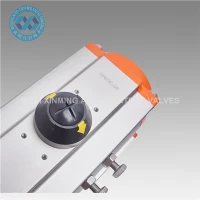
- High-Torque Manual Handwheel For Pneumatic Valves: These handwheels are designed for use with pneumatic valves, providing a reliable and efficient means of manual control. They are available in various sizes and configurations to suit different valve types and applications.
- Emergency Manual Operation Mechanism With Pneumatic Valve Actuator: In the event of a power failure or other emergency, these handwheels allow operators to manually operate pneumatic valve actuators, ensuring the safety and functionality of the system.
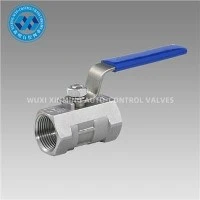
- Pneumatic Actuator Internal Thread Stainless Steel 316 3pcs Pneumatic Bi-directional Ball Valve: Our stainless steel handwheels are corrosion-resistant and suitable for use in harsh environments. They are commonly used in applications where hygiene and durability are important, such as in the food and beverage industry.
Our manual handwheels are used in a variety of industries and applications, including:
- Industrial Automation: Manual handwheels are often used in industrial automation systems to provide operators with a means of manual control in case of system failures or for fine-tuning settings.
- Valve Control: In the oil and gas, chemical, and water treatment industries, manual handwheels are used to control the opening and closing of valves, ensuring the proper flow of fluids and gases.
- Medical Equipment: Manual handwheels are used in medical equipment, such as surgical tables and imaging devices, to provide precise control over the movement and positioning of the equipment.
Contact Us for Your Manual Handwheel Needs
If you are in the market for high-quality manual handwheels, we invite you to contact us. Our team of experts is available to answer any questions you may have and to help you select the right handwheel for your specific application. We offer competitive pricing, fast delivery, and excellent customer service, ensuring that you have a positive experience working with us.
Whether you need a single handwheel for a small project or a large quantity for an industrial application, we can provide you with the products and support you need. Contact us today to discuss your requirements and to get a quote.
References
- International Organization for Standardization (ISO). (Year). ISO [Standard Number]: [Standard Title].
- American National Standards Institute (ANSI). (Year). ANSI [Standard Number]: [Standard Title].
- Industry-Specific Standards Organizations. (Year). [Industry Name] Standards for Manual Handwheels.