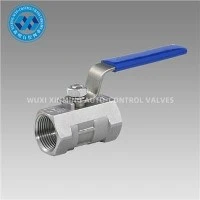
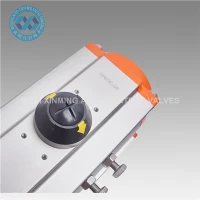
As a supplier of 110V solenoid valves, I often get asked whether a 110V solenoid valve can be used in a pneumatic system. This is a valid question, especially considering the variety of electrical and pneumatic requirements in different industrial and commercial settings. In this blog post, I'll delve into the details to help you understand the feasibility and considerations of using a 110V solenoid valve in a pneumatic system.
Understanding Solenoid Valves and Pneumatic Systems
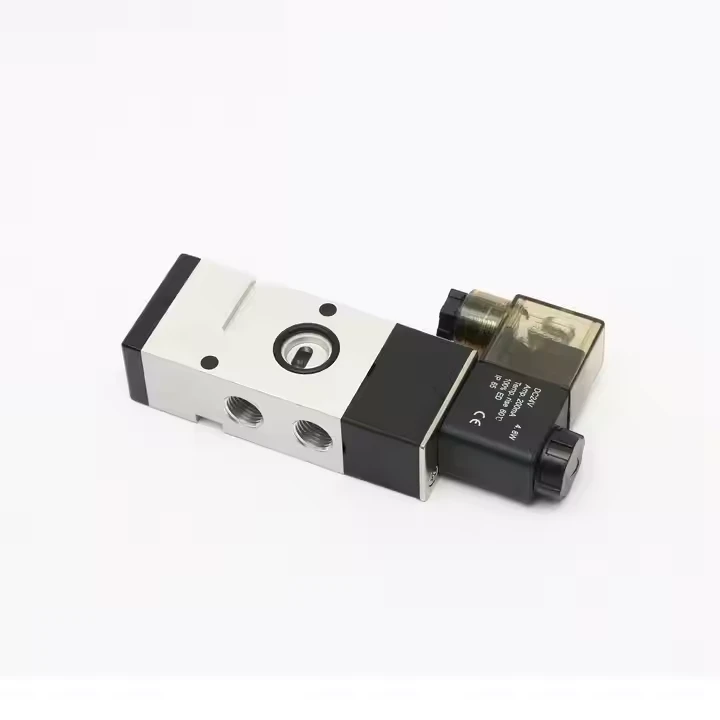
First, let's briefly understand what solenoid valves and pneumatic systems are. A solenoid valve is an electromechanically operated valve. It uses an electric current to generate a magnetic field, which in turn moves a plunger to open or close the valve. This makes it a versatile component for controlling the flow of fluids (liquids or gases) in various applications.
On the other hand, a pneumatic system uses compressed air to transmit and control power. These systems are widely used in manufacturing, automation, and other industries due to their simplicity, reliability, and cost - effectiveness. Pneumatic systems rely on valves to control the flow of compressed air to different components such as cylinders and actuators.
Compatibility of 110V Solenoid Valves in Pneumatic Systems
The short answer is yes, a 110V solenoid valve can be used in a pneumatic system. The voltage rating of a solenoid valve (in this case, 110V) refers to the electrical power required to operate the solenoid. As long as the power supply in the environment where the pneumatic system is installed can provide 110V, and the valve is designed to handle the pressure and flow requirements of the pneumatic system, there should be no fundamental issue with using a 110V solenoid valve.
However, there are several factors to consider when using a 110V solenoid valve in a pneumatic system:
1. Power Supply
The most obvious factor is the availability of a 110V power supply. In some regions, the standard mains voltage is 220V or higher. In such cases, a step - down transformer may be required to convert the voltage to 110V. It's important to ensure that the transformer has sufficient capacity to handle the power requirements of the solenoid valve. If the power supply is unstable or the voltage fluctuates significantly, it can affect the performance and lifespan of the solenoid valve.
2. Pressure and Flow Requirements
Pneumatic systems operate at different pressures and flow rates depending on the application. The 110V solenoid valve must be selected based on the pressure and flow requirements of the specific pneumatic system. For example, if the system requires a high - flow valve to quickly actuate a large cylinder, a valve with a low - flow capacity will not be suitable. It's essential to check the valve's specifications, such as its maximum pressure rating and flow coefficient (Cv value), to ensure compatibility.
3. Valve Type and Function
There are different types of solenoid valves, such as 2 - way, 3 - way, and 4 - way valves, each with different functions. In a pneumatic system, the choice of valve type depends on the specific control requirements. For example, a 3 - way valve can be used to control the extension and retraction of a single - acting cylinder, while a 4 - way valve is often used for double - acting cylinders. Make sure to select the appropriate valve type for your pneumatic system.
Advantages of Using 110V Solenoid Valves in Pneumatic Systems
There are several advantages to using 110V solenoid valves in pneumatic systems:
1. Safety
In some applications, a lower voltage like 110V is considered safer than higher voltages. This can be particularly important in environments where there is a risk of electrical shock, such as in wet or dusty conditions.
2. Compatibility with Existing Equipment
If the existing electrical infrastructure in a facility is designed for 110V equipment, using 110V solenoid valves can simplify the installation process and reduce the need for additional electrical modifications.
3. Flexibility
110V solenoid valves are widely available in the market, offering a wide range of options in terms of valve size, type, and function. This gives users more flexibility in designing and customizing their pneumatic systems.
Examples of 110V Solenoid Valves in Pneumatic Applications
Let's take a look at some common applications where 110V solenoid valves can be used in pneumatic systems:
1. Automation in Manufacturing
In manufacturing plants, pneumatic systems are often used for automation tasks such as pick - and - place operations. A 110V solenoid valve can be used to control the flow of compressed air to the pneumatic cylinders that move the robotic arms. This allows for precise and efficient control of the automation process.
2. Packaging Machinery
Pneumatic systems are used in packaging machinery to control the movement of conveyor belts, sealing mechanisms, and other components. 110V solenoid valves can be used to regulate the air flow to these components, ensuring smooth and reliable operation of the packaging process.
3. Laboratory Equipment
In laboratories, pneumatic systems are used for various applications such as sample handling and fluid control. 110V solenoid valves can be used to control the flow of compressed air in these systems, providing a safe and reliable solution for laboratory automation.
Related Products
If you are interested in exploring more solenoid valve options for your pneumatic system, we offer a range of products. You can check out our Single Acting Cylinder G18 Inch G14 Inch 4V210 - 08AC220V Electromagnetic Pneumatic Solenoid Valve and Single Acting Actuator Solenoid Valve. Of course, our 110V Solenoid Valve is also a great choice for many pneumatic applications.
Conclusion and Call to Action
In conclusion, a 110V solenoid valve can be effectively used in a pneumatic system as long as the power supply, pressure, and flow requirements are properly considered. The advantages of using 110V solenoid valves, such as safety and compatibility, make them a viable option for many pneumatic applications.

If you have any questions about our 110V solenoid valves or need help selecting the right valve for your pneumatic system, we are here to assist you. Contact us to start a discussion about your specific requirements and explore the best solutions for your project. Our team of experts can provide you with detailed information and guidance to ensure that you get the most suitable solenoid valve for your pneumatic system.
References
- "Pneumatic Systems Design and Application" by David W. Spence
- "Solenoid Valve Handbook" by Asco Joucomatic