Hey there! As a supplier of 220V solenoid valves, I often get asked whether a 220V solenoid valve can be used in a sewage treatment plant. Well, let's dig into this topic and find out.
First off, let's understand what a solenoid valve is. A solenoid valve is an electromechanically operated valve. The valve is controlled by an electric current through a solenoid: in the case of a two-port valve the flow is switched on or off; in the case of a three-port valve, the outflow is switched between the two outlet ports. They're used in a wide range of applications, from industrial manufacturing to home appliances.
Now, when it comes to sewage treatment plants, the environment is quite unique. Sewage treatment plants deal with a variety of wastewater, which can contain all sorts of contaminants, like solids, chemicals, and biological matter. The conditions are often harsh, with high humidity, corrosive substances, and sometimes high pressures.
So, can a 220V solenoid valve work in such an environment? The short answer is yes, but there are a few things to consider.
Voltage Compatibility
One of the most obvious factors is the voltage. In many sewage treatment plants, the electrical supply might be 220V, which means a 220V solenoid valve would be a direct fit in terms of voltage requirements. However, it's crucial to double - check the electrical system of the plant. Some areas within the plant might have different voltage requirements, or there could be specific safety regulations regarding electrical equipment.
Material and Construction
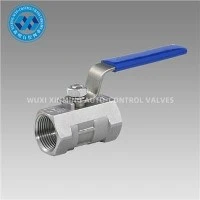
The material of the solenoid valve is super important in a sewage treatment plant. Since the wastewater can be corrosive, the valve needs to be made of materials that can withstand such conditions. For example, valves made of stainless steel or PVC are often good choices. Stainless steel is resistant to corrosion, while PVC is lightweight and also offers good chemical resistance. At our company, we offer 220V solenoid valves made from high - quality materials that are designed to last in tough sewage treatment environments.
Flow and Pressure Requirements
Sewage treatment plants have specific flow and pressure requirements. The solenoid valve needs to be able to handle the flow rate of the wastewater and the pressure within the pipes. If the valve can't handle the pressure, it might leak or even break, which can cause serious problems in the treatment process. We have a range of 220V solenoid valves with different flow and pressure ratings, so we can provide the right valve for your specific plant needs.
Maintenance and Durability
In a sewage treatment plant, maintenance can be a challenge due to the nature of the environment. A good solenoid valve should be easy to maintain and have a long service life. Our 220V solenoid valves are designed with durability in mind. They have simple structures that make them easy to disassemble and clean, and we use high - quality components to ensure a long lifespan.


Comparison with Other Options
There are other types of solenoid valves available, like the 110V Solenoid Valve. If the sewage treatment plant has a 110V electrical supply, then a 110V valve would be the way to go. But if the supply is 220V, using a 110V valve would require a transformer, which adds complexity and cost.
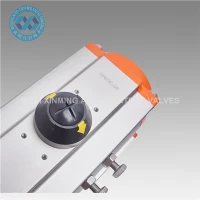
We also offer Single And Double Acting Pneumatic Actuator Solenoid Valve. These valves are great for applications where pneumatic control is needed. However, they might not be as straightforward to integrate into an existing electrical - based system in a sewage treatment plant as a 220V solenoid valve.
And then there's the Long Life Pneumatic Air Control Solenoid Valve. While it offers a long service life, it's mainly designed for pneumatic air control, and might not be the best fit for the direct control of wastewater flow in a sewage treatment plant.
Safety Considerations
Safety is always a top priority in a sewage treatment plant. Electrical equipment, including solenoid valves, needs to meet strict safety standards. Our 220V solenoid valves are tested and certified to meet relevant safety regulations. They have built - in safety features, such as over - current protection and insulation to prevent electrical hazards.
Cost - Effectiveness
When it comes to choosing a solenoid valve for a sewage treatment plant, cost - effectiveness is also a key factor. Our 220V solenoid valves offer a great balance between price and performance. They are competitively priced, and considering their durability and low maintenance requirements, they can save you money in the long run.
In conclusion, a 220V solenoid valve can definitely be used in a sewage treatment plant. As long as you take into account factors like voltage compatibility, material, flow and pressure requirements, maintenance, safety, and cost - effectiveness, it can be a reliable choice for controlling the flow of wastewater.
If you're in charge of a sewage treatment plant and are looking for a high - quality 220V solenoid valve, we'd love to have a chat with you. We can provide detailed product information, answer any questions you might have, and help you find the perfect valve for your specific needs. Just reach out to us, and let's start the conversation about how our 220V solenoid valves can improve your sewage treatment process.
References
- Smith, J. (2018). Solenoid Valve Handbook. Industrial Press.
- Johnson, A. (2020). Wastewater Treatment Plant Design and Operation. McGraw - Hill.