Hey there! I'm a supplier of pneumatic ball valves, and today I wanna chat about whether a pneumatic ball valve can be used in a high - altitude environment.
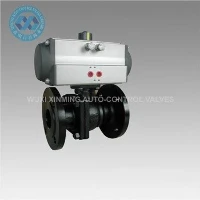
First off, let's get a basic understanding of what a pneumatic ball valve is. It's a type of valve that uses compressed air to control the flow of fluid. The ball inside the valve has a hole through it. When the ball is turned so that the hole aligns with the flow path, the fluid can pass through. When the ball is rotated 90 degrees, the flow is blocked.
Now, high - altitude environments come with their own set of challenges. The most obvious one is the low air pressure. As we go higher in altitude, the air pressure drops. This can have a significant impact on how pneumatic ball valves work.
Impact of Low Air Pressure on Pneumatic Ball Valves
The operation of a pneumatic ball valve relies on compressed air. The actuator of the valve uses this compressed air to move the ball and control the flow. In a high - altitude environment, the low air pressure means that it's harder to generate and maintain the required pressure for the valve to operate effectively.
For instance, if a valve is designed to work at sea - level pressure and is then taken to a high - altitude area, the actuator might not be able to generate enough force to turn the ball properly. This could lead to issues like incomplete opening or closing of the valve, which in turn can cause problems with the flow control of the fluid.
Another aspect is the sealing performance. Pneumatic ball valves rely on seals to prevent leakage. The low air pressure at high altitudes can affect the elasticity and performance of these seals. The seals might not be able to maintain the same level of tightness as they do at normal air pressures. This can result in fluid leakage, which is a big no - no in many industrial applications.
Adaptations for High - Altitude Use
But don't worry! There are ways to make pneumatic ball valves work in high - altitude environments. One solution is to use a high - pressure compressor. A more powerful compressor can generate the necessary pressure even in low - pressure conditions. This ensures that the actuator has enough force to operate the ball valve smoothly.
We also offer valves with special seals that are designed to perform better in low - pressure environments. These seals are made from materials that can maintain their elasticity and sealing performance even at high altitudes.
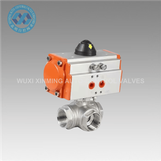
Now, let me introduce some of our products that could be suitable for high - altitude applications. We have the Pneumatic Actuator Tri - clamp Three Way Ball Valve. This valve is designed with a robust actuator that can be adjusted to work in different pressure conditions. The tri - clamp design makes it easy to install and maintain, which is a plus in high - altitude areas where access might be limited.
Another great option is the Pneumatic Ball Valve With Internal Thread. This valve is known for its reliable sealing performance. The internal thread design provides a secure connection, and with the right adaptations, it can work well in high - altitude environments.
We also have PVC Ball Valve. PVC is a lightweight and corrosion - resistant material. These valves are cost - effective and can be a good choice for less critical applications in high - altitude areas.
Case Studies
Let me share a real - life example. We had a customer who was working on a project in a mountainous region at a high altitude. They needed to control the flow of water in a pipeline. Initially, they used a standard pneumatic ball valve, and they faced issues with the valve not opening and closing properly due to the low air pressure.
We recommended our Pneumatic Actuator Tri - clamp Three Way Ball Valve with a high - pressure compressor. After the installation, the valve worked like a charm. The compressor generated enough pressure for the actuator to operate the ball valve effectively, and the project was back on track.
Considerations for High - Altitude Installation
When installing pneumatic ball valves in high - altitude environments, there are a few things to keep in mind. First, make sure to properly insulate the valve and the associated piping. The low temperatures at high altitudes can cause the fluid inside the pipes to freeze, which can damage the valve.


Also, regular maintenance is crucial. Check the seals and the actuator regularly to ensure that they are in good condition. If you notice any signs of wear or damage, replace the parts immediately.
Conclusion
So, can a pneumatic ball valve be used in a high - altitude environment? The answer is yes, but with some adaptations. With the right compressor, special seals, and proper installation and maintenance, our pneumatic ball valves can work effectively in high - altitude areas.
If you're working on a project in a high - altitude environment and need a reliable pneumatic ball valve, we're here to help. We have a wide range of products and the expertise to provide you with the best solution for your needs. Don't hesitate to contact us for more information and to start a procurement discussion. We're looking forward to working with you!
References
- "Valve Handbook" - A comprehensive guide on valve technology and applications.
- Industry reports on the performance of pneumatic systems in extreme environments.