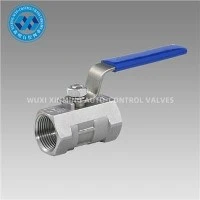
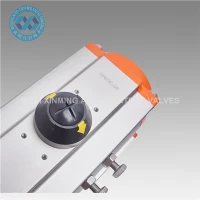
As a supplier of 24V solenoid valves, I often encounter questions from customers about the compatibility of these valves in various systems, especially heating systems. In this blog post, I will explore whether a 24V solenoid valve can be used in a heating system, discussing the technical aspects, advantages, and potential challenges.
Technical Compatibility
To understand if a 24V solenoid valve can be used in a heating system, we first need to look at the basic requirements of a heating system and the capabilities of a 24V solenoid valve.
A heating system typically requires a valve to control the flow of a heating medium, such as water or steam. The valve needs to be able to open and close accurately in response to the system's control signals. A 24V solenoid valve is an electromechanical device that uses an electric current to generate a magnetic field, which in turn moves a plunger to open or close the valve.
The 24V power supply is a common and relatively safe voltage level used in many control systems. It is often used in low - voltage applications where safety and energy efficiency are important considerations. In a heating system, a 24V power source can be easily obtained from a transformer, which can step down the higher voltage from the main power supply to 24V.
The flow rate and pressure ratings of a 24V solenoid valve are also crucial factors. Heating systems operate at different flow rates and pressures depending on their size and design. Most 24V solenoid valves are available in a wide range of flow rates and pressure ratings, allowing them to be selected to match the specific requirements of a heating system. For example, in a small residential heating system, a solenoid valve with a lower flow rate and pressure rating may be sufficient, while a large commercial heating system may require a valve with a higher capacity.


Advantages of Using a 24V Solenoid Valve in a Heating System
Safety
One of the main advantages of using a 24V solenoid valve in a heating system is safety. The low voltage reduces the risk of electrical shock, which is especially important in a system where water is present. Water and electricity can be a dangerous combination, and using a 24V system minimizes this risk.
Energy Efficiency
24V solenoid valves generally consume less power compared to higher - voltage valves. This is beneficial for heating systems, which often operate for long periods of time. By using a 24V valve, the overall energy consumption of the system can be reduced, leading to cost savings over time.
Compatibility with Control Systems
Many modern heating control systems are designed to work with 24V signals. A 24V solenoid valve can be easily integrated into these control systems, allowing for precise control of the heating medium flow. This enables better temperature regulation and improved system performance.
Compact Size
24V solenoid valves are often more compact than their higher - voltage counterparts. This can be an advantage in heating systems where space is limited, such as in small boiler rooms or residential heating units.
Potential Challenges
Limited Power for High - Flow Applications
While 24V solenoid valves are suitable for many heating systems, they may have limitations in high - flow or high - pressure applications. In systems that require a large amount of heating medium to be moved quickly, a 24V valve may not be able to provide enough force to open and close the valve against the high pressure. In such cases, a higher - voltage valve or a valve with a more powerful actuator may be required.
Cold Weather Performance
In cold weather, the performance of a 24V solenoid valve may be affected. The lubricants and seals in the valve may become more viscous, which can make it more difficult for the valve to operate smoothly. Special precautions may need to be taken, such as using valves with cold - resistant materials or providing additional insulation to the valve.
Comparison with Other Types of Valves
110V Solenoid Valve
A 110V Solenoid Valve has a higher power output compared to a 24V solenoid valve. This makes it more suitable for high - flow and high - pressure applications. However, it also poses a higher risk of electrical shock and consumes more power. In a heating system where safety and energy efficiency are the top priorities, a 24V solenoid valve may be a better choice.
High Performance Pneumatic Actuator Solenoid Valve
High Performance Pneumatic Actuator Solenoid Valve uses compressed air to operate the valve. These valves can provide high - force actuation and are suitable for applications where a large amount of force is required. However, they require a compressed air source, which adds complexity and cost to the system. A 24V solenoid valve, on the other hand, is simpler and more cost - effective for many heating system applications.
Long Life Pneumatic Air Control Solenoid Valve
Long Life Pneumatic Air Control Solenoid Valve is designed for long - term use in pneumatic systems. While they offer durability, they also rely on a pneumatic supply. In a heating system, a 24V solenoid valve can provide a more straightforward solution without the need for a pneumatic infrastructure.
Conclusion
In conclusion, a 24V solenoid valve can be used in a heating system in many cases. Its safety, energy efficiency, and compatibility with control systems make it a viable option for a wide range of heating applications. However, it is important to consider the specific requirements of the heating system, such as flow rate, pressure, and environmental conditions. In some high - flow or high - pressure applications, other types of valves may be more suitable.
If you are considering using a 24V solenoid valve in your heating system, I encourage you to contact us for more information. Our team of experts can help you select the right valve for your specific needs and provide you with detailed technical support. Whether you are building a new heating system or upgrading an existing one, we are here to assist you in making the best decision.
References
- ASHRAE Handbook of Heating, Ventilation, and Air - Conditioning Systems and Equipment
- "Solenoid Valves: Principles, Operation, and Selection" by Valmet Corporation