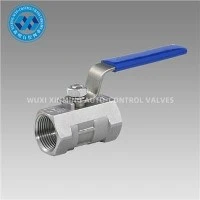
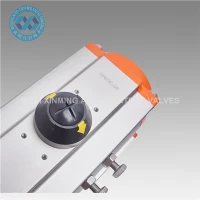
Hey there! As a supplier of pneumatic ball valves, I've been in the valve game for quite a while. Pneumatic ball valves are super popular in various industries because they're simple, reliable, and can handle a wide range of fluids and gases. But like anything in life, they've got their downsides too. In this blog, I'm gonna share some of the disadvantages of pneumatic ball valves that you should keep in mind when considering them for your applications.
1. High Initial Cost
One of the first things you'll notice when looking at pneumatic ball valves is that they can be pretty pricey. Unlike some other types of valves, pneumatic ball valves come with a pneumatic actuator, which adds to the cost. The actuator is what makes the valve open and close, and it needs to be well - designed and built to work properly.
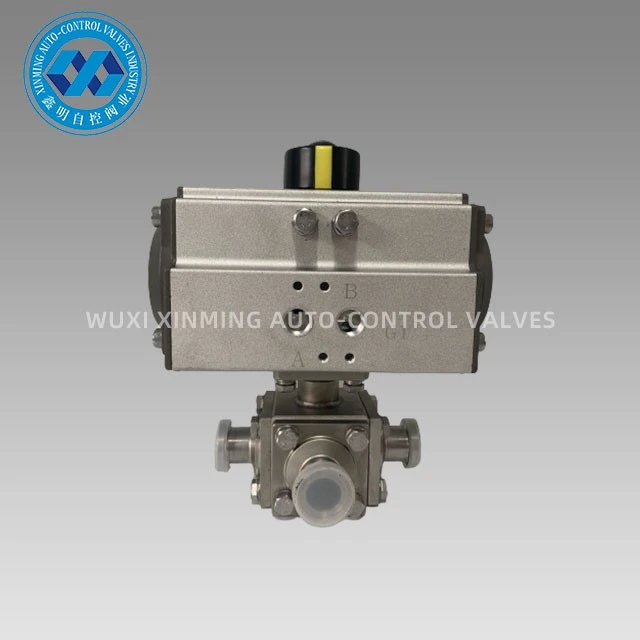
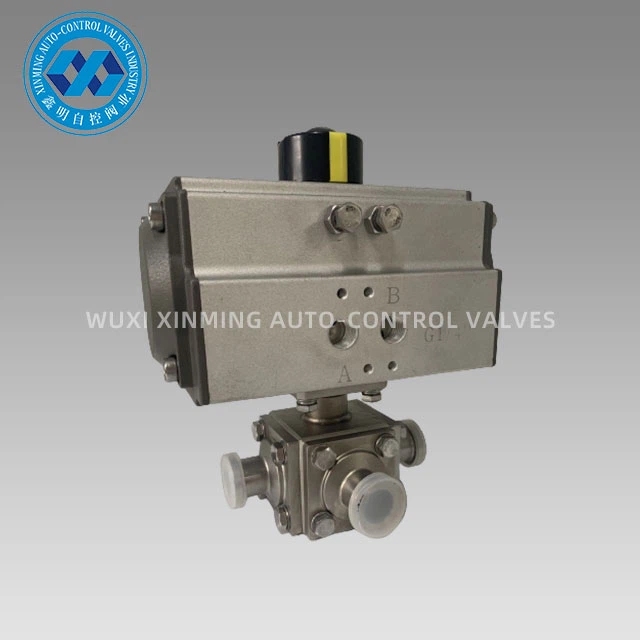
For example, if you're looking at a Pneumatic Actuator Tri - clamp Three Way Ball Valve, the cost of the actuator, along with the valve body and other components, can be a significant investment. This high initial cost might be a deterrent for small businesses or projects with tight budgets. You've got to shell out more money upfront, which can be a real pain, especially if you're on a shoestring.
2. Maintenance Requirements
Pneumatic ball valves require regular maintenance to keep them in good working order. The pneumatic actuator has moving parts, such as pistons and seals, that can wear out over time. These parts need to be inspected and replaced periodically to prevent leaks and ensure proper operation.
If you neglect maintenance, you might end up with a valve that doesn't open or close properly, which can lead to all sorts of problems in your system. For instance, if the valve fails to close completely, it can cause fluid or gas to leak, which is not only wasteful but can also be dangerous in some cases. And let's not forget about the time and money you'll have to spend on maintenance. You'll need to hire skilled technicians or train your own staff to do the job right.
3. Limited Temperature and Pressure Range
Pneumatic ball valves have a limited temperature and pressure range compared to some other types of valves. The materials used in the valve body and seals can only withstand a certain amount of heat and pressure. If you try to use a pneumatic ball valve in an application where the temperature or pressure exceeds its rated capacity, you're asking for trouble.
The seals can break down, causing leaks, and the valve body itself might get damaged. For example, in high - temperature applications, the plastic or rubber seals in the valve can melt or become brittle, losing their sealing properties. If you're working in an industry where extreme temperatures or pressures are the norm, you might need to look for a different type of valve.
4. Noise and Vibration
When a pneumatic ball valve opens and closes, it can generate a fair amount of noise and vibration. The sudden movement of the actuator and the flow of fluid or gas through the valve can create a loud bang or a rattling sound. This can be a nuisance in a workplace, especially if you have employees working nearby.
Moreover, the vibration can also cause problems for the valve itself and other components in the system. Over time, the vibration can loosen connections, damage seals, and even lead to premature failure of the valve. If noise and vibration are a concern in your application, you'll need to take additional measures to dampen them, which can add to the overall cost.
5. Air Supply Requirements
Pneumatic ball valves rely on an air supply to operate. This means you need to have a reliable and clean air source. If the air supply is contaminated with dirt, moisture, or oil, it can cause problems for the pneumatic actuator. The dirt can clog the small passages in the actuator, preventing it from working properly.
Moisture can cause corrosion, and oil can damage the seals. You'll need to install air filters, dryers, and regulators to ensure that the air supply is clean and at the right pressure. Setting up and maintaining this air supply system can be complex and expensive.
6. Slow Operation Speed in Some Cases
In certain situations, the operation speed of a pneumatic ball valve might be slower than what you need. The time it takes for the actuator to open or close the valve can be affected by factors such as the size of the valve, the air pressure, and the design of the actuator.
If you're in an application where you need a valve to open or close quickly, like in a process control system where rapid changes in flow are required, a pneumatic ball valve might not be the best choice. You might end up with a valve that can't keep up with the demands of your system, leading to inefficiencies.
7. Complex Installation
Installing a pneumatic ball valve can be a complex process. You need to make sure that the valve is properly aligned, the connections are tight, and the actuator is calibrated correctly. Any mistakes during the installation can lead to problems down the road.
For example, if the valve is not installed at the right angle, it can affect the flow of fluid or gas through the valve, reducing its efficiency. And if the actuator is not calibrated correctly, the valve might not open or close fully. You'll probably need to hire a professional installer to ensure that the job is done right, which adds to the overall cost.
8. Compatibility Issues
Pneumatic ball valves might not be compatible with all types of fluids and gases. The materials used in the valve body and seals can react with certain chemicals, causing corrosion or degradation. For example, some aggressive chemicals can eat away at the metal or plastic components of the valve, leading to leaks and failure.
If you're working with a wide variety of fluids or gases in your application, you need to make sure that the pneumatic ball valve you choose is compatible with all of them. This might require some research and testing, which can be time - consuming and costly.
Despite these disadvantages, pneumatic ball valves still have their place in many industries. They're reliable, easy to operate, and can provide a good sealing solution in many applications. If you're considering using a pneumatic ball valve, just make sure you're aware of these drawbacks and take them into account.
If you're still interested in learning more about our pneumatic ball valves or want to discuss your specific requirements, feel free to reach out. We're here to help you make the best decision for your project. Whether you're looking for a Thread Ball Valve or a Three Stage Pneumatic Rotary Actuator Ball Valve Made in China, we've got a wide range of options to suit your needs.
References
- Valve Handbook, various editions
- Industry standards and guidelines for pneumatic valves