Can a ball valve be used in a fire-safe application? That's a question I get asked a lot as a ball valve supplier. In this blog, I'm gonna break down the ins and outs of using ball valves in fire-safe scenarios, share some real-world examples, and let you know which of our products might fit the bill.
First off, let's talk about what makes an application fire-safe. A fire-safe application requires components that can maintain their functionality and prevent the spread of fire and hazardous substances even when exposed to high temperatures. For valves, this means they need to be able to shut off the flow of flammable fluids or gases effectively during a fire and not become a weak point that allows the fire to spread further.
Ball valves have some features that make them a potential candidate for fire-safe applications. They have a simple design with a spherical closure element that rotates to control the flow. This design provides a tight seal when the valve is closed, which is crucial for preventing the leakage of flammable materials. Also, ball valves can be made from materials that have good heat resistance, such as stainless steel.
However, not all ball valves are created equal when it comes to fire safety. There are specific standards and certifications that a ball valve needs to meet to be considered suitable for fire-safe applications. One of the most well-known standards is API 607, which is an American Petroleum Institute standard for fire testing of quarter-turn valves. Valves that pass this test have demonstrated their ability to maintain a certain level of performance during and after a fire.
Let's take a look at some of the factors that determine whether a ball valve can be used in a fire-safe application:
Material Selection
The material of the ball valve plays a huge role in its fire resistance. Stainless steel is a popular choice because it can withstand high temperatures without losing its structural integrity. It also has good corrosion resistance, which is important for long-term use in various environments. For example, our Stainless Steel Pneumatic Italian Thin Ball Valve is made from high-quality stainless steel, which gives it a better chance of performing well in a fire-safe situation.
Seat Design
The seat of the ball valve is another critical component. It needs to be able to maintain a seal even when exposed to extreme heat. Some ball valves use soft seats, which are made from materials like PTFE. While these seats can provide a very tight seal under normal conditions, they may not be suitable for fire-safe applications because they can melt at high temperatures. On the other hand, metal seats are more heat-resistant and can better withstand the effects of a fire.


Fire Testing
As I mentioned earlier, passing fire tests like API 607 is essential for a ball valve to be used in a fire-safe application. A valve that has been tested and certified according to these standards has proven its ability to perform under fire conditions. When you're looking for a ball valve for a fire-safe application, make sure to ask the supplier if the valve has the necessary certifications.
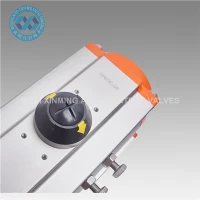
Now, let's talk about some of our products that might be suitable for fire-safe applications. Our 3PC Thread Ball With Pneumatic Actuator is a great option. It has a robust design and can be equipped with metal seats for better fire resistance. The pneumatic actuator allows for quick and reliable operation, which is important in an emergency situation.
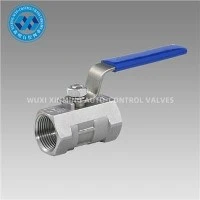
Another product to consider is our Thread Ball Valve. It's a simple yet effective valve that can be made from fire-resistant materials. The threaded connection makes it easy to install and replace, which is convenient for maintenance.
In real-world applications, ball valves are used in a variety of industries where fire safety is a concern. For example, in the oil and gas industry, ball valves are used to control the flow of flammable fluids and gases in pipelines. In the chemical industry, they are used to isolate different parts of a process to prevent the spread of fire and chemical spills.
But it's not just about having the right valve. Proper installation and maintenance are also crucial for ensuring fire safety. The valve needs to be installed correctly according to the manufacturer's instructions. Regular inspections and maintenance can help detect any potential issues before they become a problem.
If you're in the market for a ball valve for a fire-safe application, I encourage you to get in touch with us. We have a team of experts who can help you choose the right valve for your specific needs. Whether you need a valve for a small-scale project or a large industrial application, we can provide you with high-quality products and professional advice.
In conclusion, a ball valve can be used in a fire-safe application, but it needs to meet certain criteria. By choosing the right materials, seat design, and ensuring proper testing and maintenance, you can have a ball valve that provides reliable performance in a fire situation. Don't hesitate to reach out to us if you have any questions or need more information. We're here to help you make the right choice for your fire-safe application.
References
- API 607, Fire Test Standard for Quarter - Turn Valves and Ball Valves, American Petroleum Institute.