When it comes to industrial fluid control systems, thin ball valves play a crucial role. As a thin ball valve supplier, I understand the importance of making the right choice. This blog aims to guide you through the process of selecting the most suitable thin ball valve for your specific needs.


1. Understanding the Basics of Thin Ball Valves
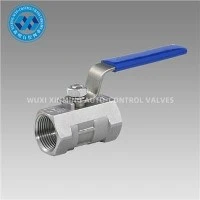
Thin ball valves are a type of quarter - turn valve used to control the flow of various fluids, including liquids, gases, and slurries. They consist of a spherical disc (the ball) with a hole in the middle. When the valve is open, the hole in the ball aligns with the pipe, allowing fluid to flow through. When the valve is closed, the ball is rotated a quarter - turn so that the solid part of the ball blocks the flow path.
The thin design of these valves makes them ideal for applications where space is limited. They are commonly used in industries such as chemical processing, food and beverage, pharmaceuticals, and water treatment.
2. Consider the Application Requirements
- Fluid Type: Different fluids have different properties, such as viscosity, corrosiveness, and temperature. For corrosive fluids like acids or alkalis, you need a valve made of corrosion - resistant materials. For example, if you are dealing with a highly corrosive chemical, a valve with a PTFE (polytetrafluoroethylene) lining or made of stainless steel might be a good choice.
- Pressure and Temperature: The operating pressure and temperature of your system are critical factors. High - pressure applications require valves with strong construction and proper sealing. Similarly, high - temperature fluids can cause materials to expand or degrade, so the valve material must be able to withstand the temperature without losing its integrity.
- Flow Rate: The required flow rate of the fluid through the valve also matters. You need to select a valve with an appropriate port size. A larger port size generally allows for a higher flow rate, but it may also require more space and a larger actuator to operate.
3. Valve Material Selection
- Body Material: Common body materials for thin ball valves include brass, stainless steel, and PVC. Brass valves are cost - effective and suitable for low - pressure applications. Stainless steel valves offer excellent corrosion resistance and are suitable for a wide range of industrial applications. PVC valves are lightweight, corrosion - resistant, and commonly used in water treatment and some chemical processing applications. For instance, in a water treatment plant, PVC valves can be a great option for handling non - corrosive water at relatively low pressures.
- Sealing Material: The sealing material is crucial for preventing leaks. Common sealing materials include rubber (such as NBR - nitrile butadiene rubber), PTFE, and EPDM (ethylene propylene diene monomer). NBR is suitable for general - purpose applications with oils and fuels. PTFE has excellent chemical resistance and is often used in high - temperature and high - chemical - exposure applications. EPDM is resistant to weathering and ozone and is commonly used in water and steam applications.
4. Actuation Options
- Manual Actuation: Manual thin ball valves are the simplest and most cost - effective option. They are operated by a hand lever or a handwheel. Manual valves are suitable for applications where the valve does not need to be operated frequently or where automation is not required. For example, in a small - scale laboratory setup, a manual valve can be easily operated by the laboratory staff.
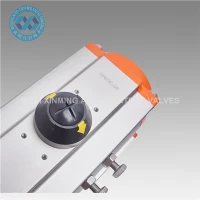
- Pneumatic Actuation: Pneumatic actuators use compressed air to operate the valve. They are fast - acting and suitable for applications where rapid opening and closing of the valve are required. You can find a variety of pneumatic - actuated thin ball valves, such as the Pneumatic Actuator Pvc Ball Valve and Pneumatic Actuator Flange Tee Ball Valve. Pneumatic actuators are commonly used in industrial automation systems where multiple valves need to be controlled simultaneously.
- Electric Actuation: Electric actuators use an electric motor to operate the valve. They offer precise control and can be integrated into a control system. Electric - actuated valves are suitable for applications where remote operation and precise positioning are required, such as in a large - scale chemical plant where valves need to be controlled from a central control room.
5. Connection Type
- Threaded Connection: Threaded thin ball valves are easy to install and are commonly used in small - diameter piping systems. They are suitable for low - pressure applications and are often used in residential and small - scale commercial plumbing systems.
- Flanged Connection: Flanged valves are used in larger - diameter piping systems and high - pressure applications. They provide a more secure connection and are easier to disassemble for maintenance. For example, in an industrial pipeline where high - pressure steam is flowing, flanged valves are the preferred choice.
- Welded Connection: Welded thin ball valves are used in applications where a leak - proof connection is required. They are commonly used in high - pressure and high - temperature applications, such as in power plants.
6. Special Considerations
- Sanitary Applications: In industries such as food and beverage, pharmaceuticals, and biotechnology, sanitary requirements are of utmost importance. For these applications, you need Sanitary Pneumatic Ball Valve that meet strict hygiene standards. These valves are often made of polished stainless steel and have smooth surfaces to prevent the accumulation of bacteria and other contaminants.
- Fire - Safe Design: In some industries, such as oil and gas, fire - safe valves are required. Fire - safe thin ball valves are designed to maintain their integrity and prevent the spread of fire in case of a fire incident. They are typically equipped with special sealing and construction features to ensure safety.
7. Quality and Certification
- Manufacturing Quality: It is essential to choose a thin ball valve from a reliable manufacturer. A high - quality valve will have better construction, precision machining, and proper assembly. You can look for manufacturers with a good reputation in the industry and those who follow strict quality control procedures.
- Certifications: Valves used in certain industries may need to meet specific certifications. For example, valves used in the food and beverage industry may need to meet FDA (Food and Drug Administration) standards. Valves used in the oil and gas industry may need to meet API (American Petroleum Institute) standards. Make sure the valve you choose has the appropriate certifications for your application.
8. Cost - Benefit Analysis
- Initial Cost: The initial cost of the valve is an important consideration. However, it should not be the only factor. Cheaper valves may have lower quality and may require more frequent maintenance or replacement, which can increase the overall cost in the long run.
- Operating and Maintenance Cost: Consider the cost of operating the valve, such as the energy consumption of the actuator (if it is an electric or pneumatic valve). Also, think about the maintenance cost, including the cost of replacement parts and the frequency of maintenance. A valve that is easy to maintain and has readily available replacement parts can save you a significant amount of money over time.
Conclusion
Choosing the right thin ball valve is a complex process that requires careful consideration of various factors. By understanding your application requirements, selecting the appropriate materials, actuation options, and connection types, and considering quality, certifications, and cost - benefit analysis, you can make an informed decision.
As a thin ball valve supplier, we are committed to providing high - quality valves that meet your specific needs. If you are in the process of selecting a thin ball valve for your project or need more information, we encourage you to contact us for a detailed discussion. Our team of experts can help you choose the most suitable valve and provide you with the best solutions for your fluid control needs.
References
- Valve Handbook, Edited by Robert W. Ross
- Industrial Valves: Selection and Sizing, Second Edition by Richard W. Miller