Hey there! As a flange ball valve supplier, I often get asked if flange ball valves can be used for steam pipelines. Well, let's dive right into this topic and figure it out.
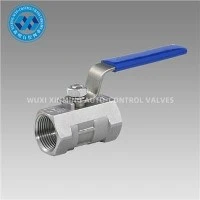
First off, what exactly is a flange ball valve? It's a type of valve that uses a ball with a hole in the middle to control the flow of fluid. When the hole in the ball aligns with the pipeline, the fluid can flow through. When the ball is rotated so that the hole is perpendicular to the pipeline, the flow is stopped. Flange ball valves are known for their durability, tight shut - off, and relatively easy operation.
Now, let's talk about steam pipelines. Steam is a high - energy fluid. It's hot, under pressure, and can cause a lot of wear and tear on equipment. Steam pipelines need valves that can handle high temperatures, high pressures, and the corrosive nature of steam over time.
So, can a flange ball valve be used for steam pipelines? The answer is yes, but with some important considerations.


Temperature Resistance
Steam can reach extremely high temperatures. Depending on the application, steam temperatures can range from around 100°C (the boiling point of water) up to several hundred degrees Celsius. Flange ball valves need to be made from materials that can withstand these high temperatures without deforming or losing their integrity.
For example, stainless steel is a popular choice for flange ball valves in steam applications. Stainless steel has good heat resistance and can handle temperatures up to around 500 - 600°C. However, if the steam temperature is even higher, special high - temperature alloys might be required. These alloys can be more expensive, but they ensure the valve will work properly under extreme heat.
Pressure Rating
Steam pipelines often operate under high pressure. The pressure in a steam system can vary widely, from a few bars in small, low - pressure systems to dozens of bars in large industrial applications. A flange ball valve used in a steam pipeline must have a pressure rating that is equal to or higher than the maximum pressure in the pipeline.
Most flange ball valves come with a specified pressure rating. When selecting a valve for a steam pipeline, it's crucial to check this rating and make sure it meets the requirements of the system. If the pressure rating of the valve is too low, it could lead to leaks, valve failure, or even dangerous situations.
Sealing Performance
One of the key functions of a valve in a steam pipeline is to provide a tight seal. Steam is a volatile fluid, and even a small leak can lead to energy loss, reduced efficiency, and potential safety hazards. Flange ball valves are designed to provide a good seal, but the sealing materials need to be suitable for steam applications.
The seats and seals of a flange ball valve can be made from various materials, such as PTFE (polytetrafluoroethylene) or metal. PTFE has excellent chemical resistance and low friction, but it has limitations in high - temperature applications. Metal seats, on the other hand, can withstand higher temperatures and pressures, but they may require more precise machining to ensure a proper seal.
Erosion and Corrosion
Steam can carry small particles and can also be corrosive, especially if it contains impurities. Over time, these factors can cause erosion and corrosion of the valve components. To combat this, the materials used in the flange ball valve should be resistant to erosion and corrosion.
Stainless steel is again a good choice as it has good corrosion resistance. Additionally, some valves may have special coatings or linings to further protect against erosion and corrosion.
Our Product Range
At our company, we offer a wide range of flange ball valves suitable for steam pipelines. We have different materials, sizes, and pressure ratings to meet various customer needs.
For example, our L - t Stainless Steel Pneumatic Three - way Ball Valve is a great option for steam applications where three - way flow control is required. It's made of high - quality stainless steel, which provides good heat and corrosion resistance.
Our Pneumatic Actuator Flange Tee Ball Valve is another excellent choice. The pneumatic actuator allows for easy and precise control of the valve, which is very important in steam systems where accurate flow control is often necessary.
And if you're looking for a valve with a specific body material, our Pneumatic Actuator WCB Flange Ball Valve is a great option. WCB is a common carbon steel material that can handle a wide range of temperatures and pressures.
Installation and Maintenance
Proper installation and maintenance are also crucial when using flange ball valves in steam pipelines. During installation, make sure the valve is correctly aligned with the pipeline and that all the flanges are tightened properly. Any misalignment or loose connections can lead to leaks.
Regular maintenance is also necessary to ensure the valve continues to work properly. This includes checking for leaks, inspecting the valve components for wear and tear, and lubricating the moving parts if necessary.
Conclusion
In conclusion, flange ball valves can be used for steam pipelines, but it's important to choose the right valve based on the specific requirements of the steam system, such as temperature, pressure, and corrosion resistance. At our company, we're committed to providing high - quality flange ball valves that meet the needs of steam applications.
If you're in the market for a flange ball valve for your steam pipeline, we'd love to have a chat with you. Whether you need help selecting the right valve or have any questions about our products, don't hesitate to reach out. We're here to assist you in finding the perfect solution for your steam system.
References
- Valve Handbook, various editions
- ASME standards related to valves and steam systems
- Manufacturer's technical specifications for flange ball valves